
Last updated November 22, 2026
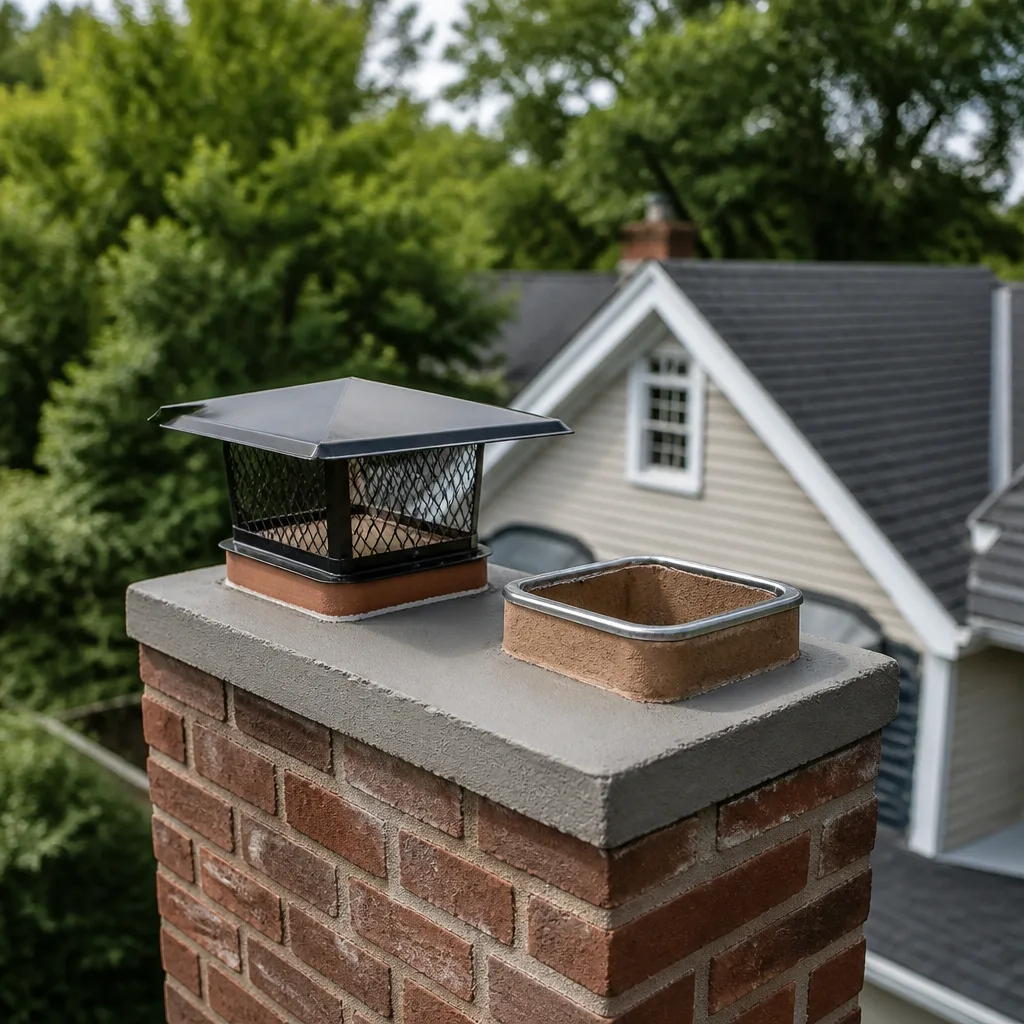 Sweep & inspection
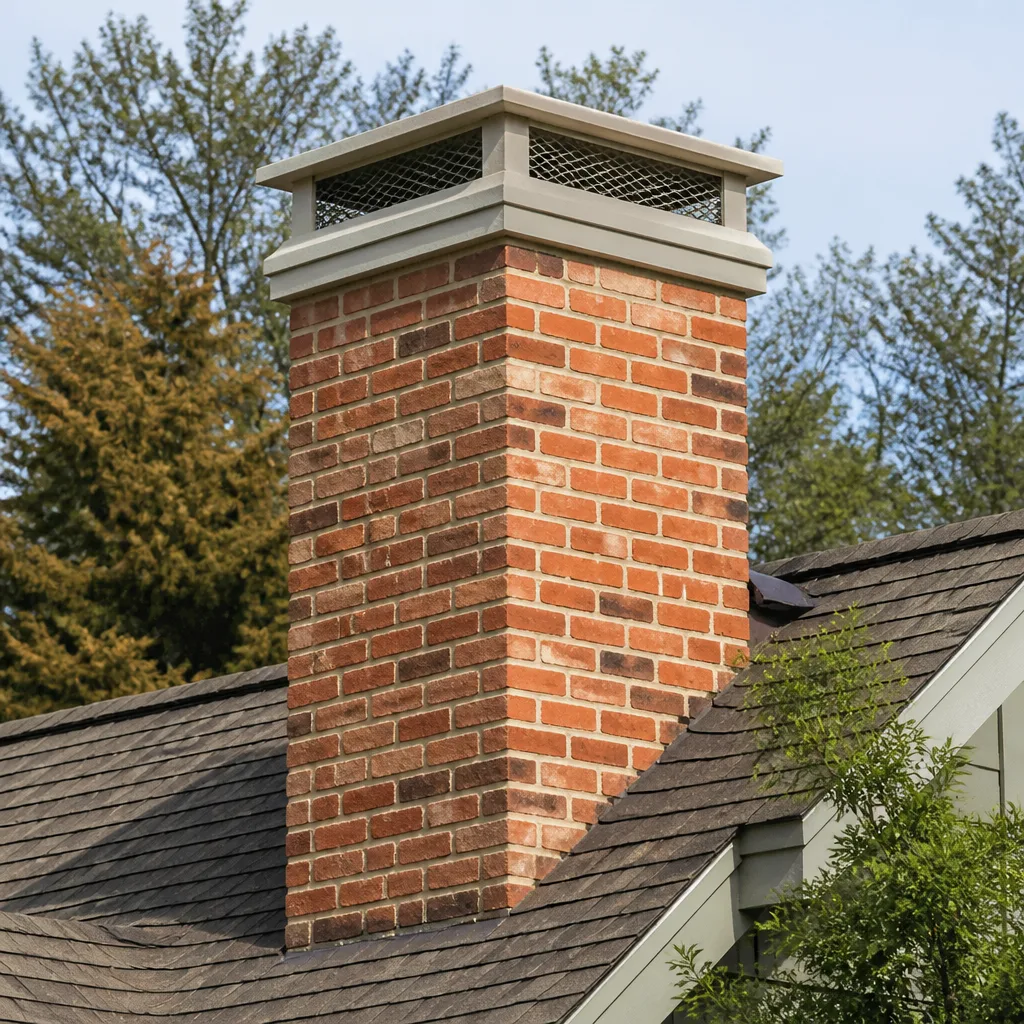 Caps & crowns
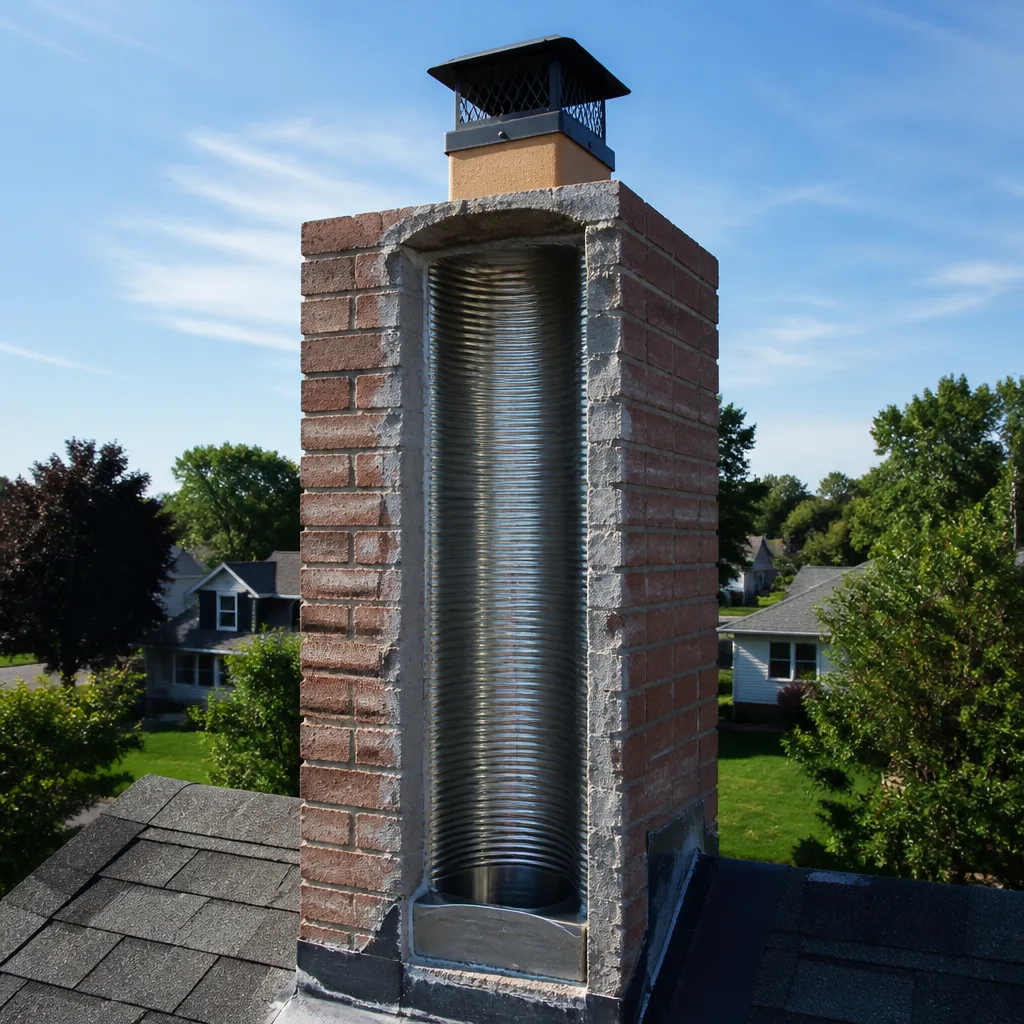 Flue relining
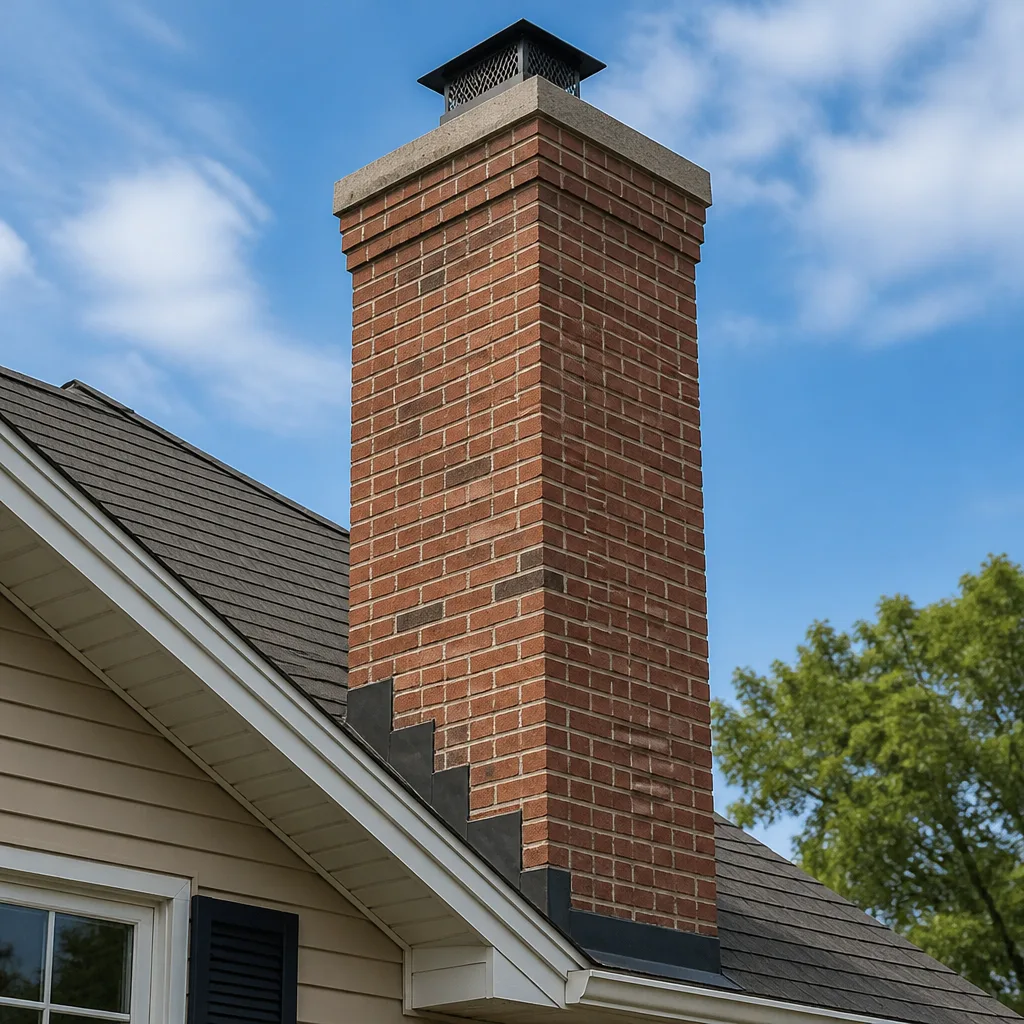 Masonry repair
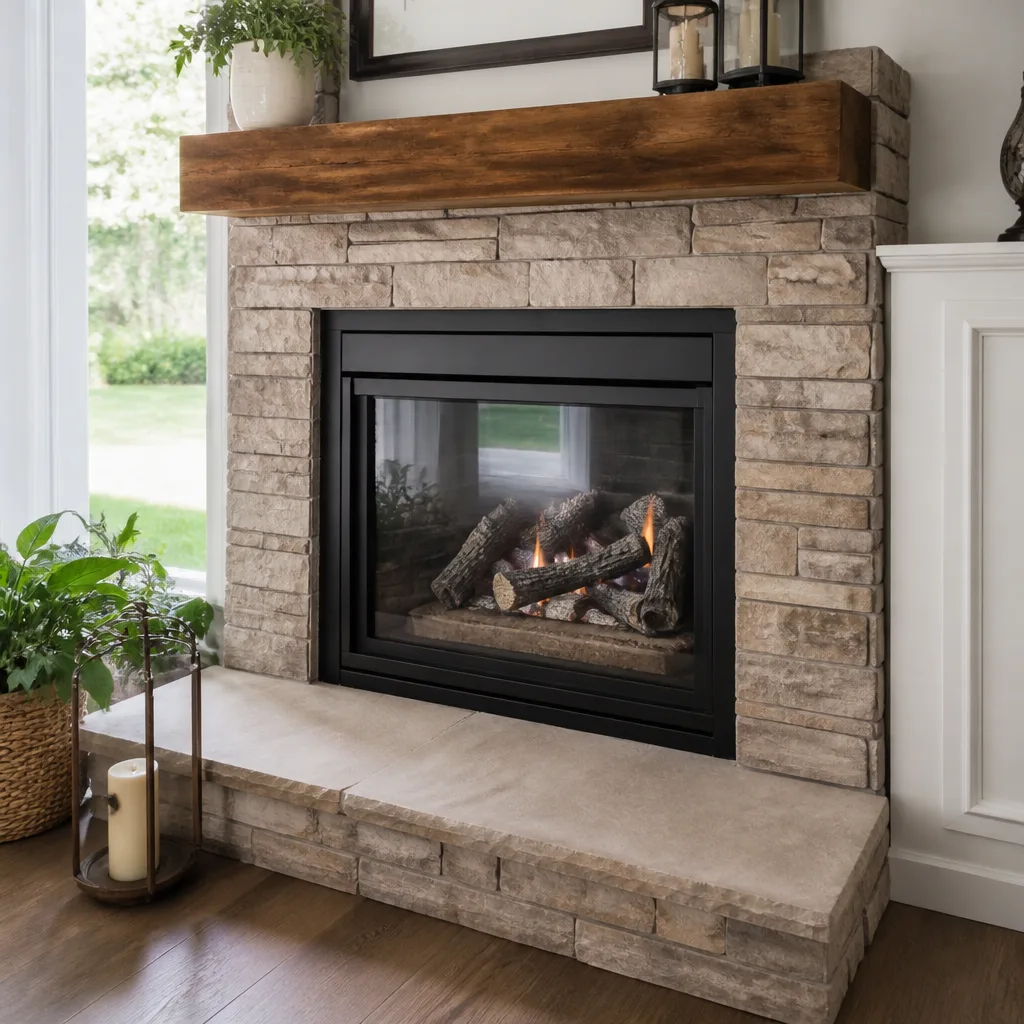 Gas fireplace service
Level 1 sweep and inspection to the NFPA 211 annual standard - flue, crown, cap, and flashing checked and photographed
Chimney sweep logs do not sweep chimneys. They loosen some creosote - which then falls where a brush and vacuum still have to collect it.
The Complete Guide to Chimney Cleaning in Somerton
Most people assume a chimney is either working or it isn’t. You light a fire, smoke goes up, and that’s the end of the story. But the flue is a system with parts you never see from the living room, and the parts that fail first are usually the ones no one looks at. A chimney can pass a glance from the roofline and still hide a cracked flue tile two feet down. This guide walks through what a real cleaning involves in Somerton, what the sweep should be checking while they’re up there, and how to read what they hand you before they pack up and drive off.
Quick Answer
A proper chimney cleaning in Somerton removes creosote and soot from the flue and firebox, and it includes a Level 1 inspection of the accessible parts of the system. The cleaning itself matters, but what the technician finds and documents inside the flue matters more, especially in older Somerton homes with clay tile liners nearing the end of their service life. A sweep that only brushes and leaves without a report has done half the job.
Styles & brands we work with
- Sweep & inspection
- Caps & crowns
- Flue relining
- Masonry repair
- Gas fireplace service
Table of Contents
- What Actually Happens During a Chimney Cleaning
- Level 1 vs. Level 2: What a Routine Sweep Covers and What It Misses
- Why Clay Tile Liners in Somerton Have a Clock on Them
- How Creosote Behaves in Short Flues vs. Tall Ones
- Cleaning vs. Documentation: The Difference That Protects Your Home
- How to Read a Sweep Report
- How Often Should a Somerton Chimney Be Swept?
- What Chimney Cleaning Costs in Somerton
What Actually Happens During a Chimney Cleaning
The word “cleaning” undersells the visit. A proper sweep is part cleaning, part inspection, and the inspection is where most of the value lives. Here’s the sequence a full-scope technician follows, and what each step tells you about your chimney.
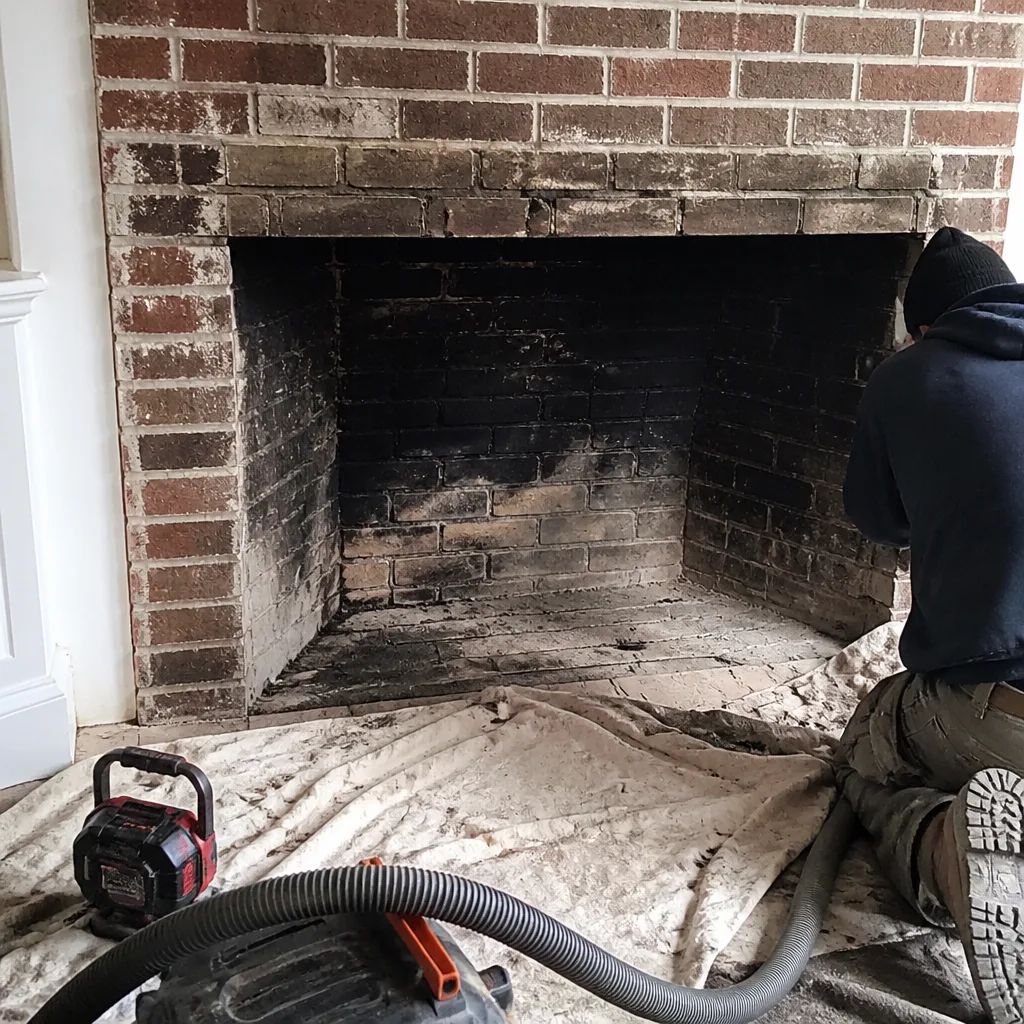
- Set up and protect the room. Drop cloths go down, and a powerful vacuum runs throughout so soot stays in the flue instead of settling on your furniture. If a crew doesn’t protect the floor, that tells you something about how they’ll treat the rest of the job.
- Inspect the firebox and damper. Before anything is brushed, the technician checks the firebox for cracked brick, deteriorated mortar joints, and a damper that no longer seals. These are the parts you interact with every fire, so their condition matters.
- Brush the flue. Rotary brushes sized to the flue remove soot and creosote from the walls. The brush type depends on what stage the creosote is in: soft, flaky deposits come off easily; glazed, tar-like creosote needs more aggressive tooling.
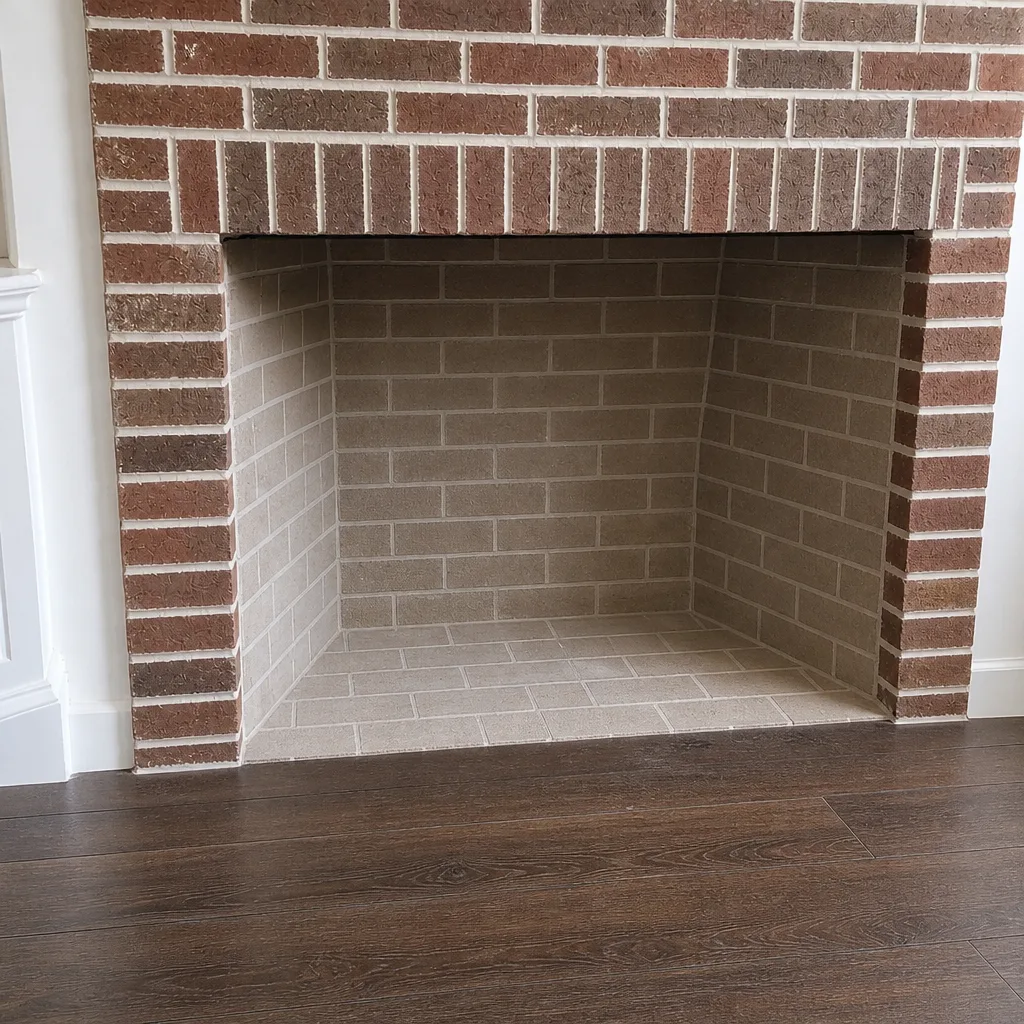
- Run the vacuum and pull the debris. Everything that comes loose gets collected. A sweep that leaves a pile of soot on the smoke shelf has not finished the job.
- Check the cap, crown, and flashing from the roof or ladder. This is where water intrusion and animal entry get caught, and it’s the step generalist handymen often skip entirely.
- Document the findings. Photos of the flue interior, a written summary of what was found, and a clear statement of whether anything needs attention now or can wait.
That last step separates a real cleaning from a quick brush-and-go. When you book a chimney sweep, ask upfront whether the visit includes a documented inspection and photos. In our experience, the answer tells you more about the company than any advertisement does.
Level 1 vs. Level 2: What a Routine Sweep Covers and What It Misses
A Level 1 inspection is the standard check that comes with a routine cleaning. It covers the readily accessible parts of the chimney and venting system: the firebox, damper, the visible portion of the flue, the chimney exterior, and the cap and crown from the roof or ground. It’s appropriate when nothing has changed about the system and you just want it cleaned and checked.
A Level 2 inspection goes further. It includes a video camera scan of the flue interior, and it’s the right call when:
- The home has changed hands since the last documented inspection. A new owner has no idea what the previous owner did or didn’t do.
- The home was built before 1970, which describes a large share of Somerton’s housing stock. Older flues have had more decades to develop cracks, spalling, and mortar deterioration.
- You’ve had a chimney fire, even a small one you think resolved itself.
- You’ve changed fuel type, replaced an appliance, or had any work done on the chimney since the last inspection.
- You’ve noticed smoke coming back into the room, a persistent draft problem, or a smell that doesn’t go away between fires.
Here’s the part most guides leave out: a Level 1 inspection can only see what’s visible from the firebox and the top of the chimney. The middle of the flue, where offset tiles and hidden cracks live, is a blind spot. For a postwar Somerton ranch with a straight-shot flue, that blind spot may be small. For an older two-story with an offset, it can hide a serious problem. If a technician only does a Level 1 and offers no camera, ask whether the home’s age or history warrants stepping up. If they can’t explain the difference, that’s your answer about their scope.
Why Clay Tile Liners in Somerton Have a Clock on Them
Many Somerton homes were built with clay tile liners, and those liners have a finite service life. They weren’t designed to last forever. Heat cycles, moisture, and the acidic condensate from flue gases all take a toll. Over time, the mortar joints between tiles crack, tiles themselves spall or shift, and gaps open up where combustion byproducts can escape into the surrounding structure.
What a sweep can tell you about where your liner stands, in plain terms:
- Hairline cracks in the tile face: early-stage wear. Worth documenting and monitoring; not necessarily a rebuild yet.
- Deteriorated or missing mortar joints: the seal between tiles is failing. This is where gases start finding paths out of the flue.
- Spalling or displaced tiles: the liner is actively breaking down. Pieces of tile can obstruct the flue, and the structural integrity of the liner is compromised.
- Gaps large enough to see daylight or surrounding masonry through: the liner is no longer doing its job. This is a problem that needs a real solution, not a patch.
The good news is that a failing clay liner doesn’t always mean a full teardown. HeatShield resurfacing can restore a deteriorating flue interior in some cases without demolition, which saves significant cost. Where the flue is complex or offset, a flexible stainless system like DuraFlex handles geometry that rigid liners can’t. And if the liner does need full replacement, that’s a chimney repair project a full-scope company should be able to quote and complete, not hand off to a second contractor. The point is that the sweep should be able to tell you which category you’re in and show you the evidence.
How Creosote Behaves in Short Flues vs. Tall Ones
Creosote is the residue left behind when wood smoke cools before it exits the chimney. The cooler the flue gas, the more creosote condenses on the walls. That single fact explains why creosote behaves differently in the two kinds of chimneys most common in Somerton.
Shorter flues, typical of ranch-style homes. A single-story ranch often has a shorter run from firebox to chimney top. Shorter flues can struggle to establish strong draft, especially in mild weather or when the fire is just starting. Slower-moving, cooler smoke deposits more creosote, and it can deposit it faster. These flues tend to build glazed, tar-like creosote more readily, which is harder to remove and more combustible.
Taller two-story chimneys. A longer flue generally draws better once it’s warm, so smoke moves faster and deposits less. But taller chimneys have their own issues: they’re harder to access for cleaning, they’re more exposed to wind and weather at the top, and if the flue has an offset, the transition point is where debris collects and where a camera is essential.
What this means for you: a ranch home in Somerton shouldn’t assume a longer interval between sweeps just because it burns less wood. Draft quality and burn habits matter as much as volume. Burning unseasoned wood or damping a fire down to stretch it overnight both push creosote buildup faster. If your fire smolders more than it flames, your flue is telling you something.
One safety note here, because it matters: glazed creosote is the fuel behind most chimney fires. A hot fire can ignite it, and the resulting chimney fire can damage the flue or spread beyond it. Carbon monoxide is the other risk, and it’s the quiet one. A blocked or damaged flue can vent CO into the home without any visible smoke. That’s not a reason to panic; it’s a reason to have the flue checked and documented, and to install and maintain CO alarms on every level of the home. This is work for a trained professional, not a DIY project.
Cleaning vs. Documentation: The Difference That Protects Your Home
Two cleans can look identical from the living room and be entirely different jobs. One removes surface deposits and calls it done. The other removes deposits and documents the condition of the liner with photographic evidence you can see for yourself.
Why does the difference matter? Because the recommendation that follows a sweep (“you need a new liner”) is exactly the kind of thing a skeptical homeowner has every right to question. If the technician can show you a photo of a cracked tile or a gapped joint and explain what it means, the recommendation stands on evidence. If you’re simply told you need thousands of dollars of work with nothing to look at, you’re right to push back.
A documented cleaning should give you:
- Photos of the flue interior at any problem location, not just a verbal description.
- A plain-language summary of what was found and what condition the liner is in.
- A clear statement of what needs attention now, what can wait, and what should be monitored.
- An itemized quote for any recommended work, with the reasoning attached.
We won’t recommend liner or masonry work that isn’t backed by camera evidence you can review yourself. And when work can safely wait, we say so. That’s not a sales tactic; it’s how a sweep report should work. If you get a vague warning from a generalist inspector, ask for the photos. If there aren’t any, that’s the gap between a cleaning and a real inspection.
How to Read a Sweep Report
The report is the deliverable. Read it before the technician leaves the property, while you can still ask questions. Here’s how to work through it:
- Find the liner condition section. It should describe the liner material (clay tile, stainless, cast-in-place) and its condition in plain terms, not just “fair” or “serviceable.” Ask what “fair” means specifically.
- Look at the photos. If the report says the flue is intact, there should be photos showing an intact flue. If it flags a problem, there should be a photo of the problem.
- Check the creosote rating. Sweeps rate creosote buildup on a scale from light soot to glazed. Ask where yours sits and what it means for your burning habits.
- Read the cap, crown, and flashing notes. Water intrusion is the most common cause of long-term chimney damage, and animal entry is a close second. If the cap is missing or damaged, that’s a chimney cap & crown fix, and it shouldn’t be deferred indefinitely.
- Ask “what would you do if this were your chimney?” A straight answer to that question tells you whether the recommendation is proportionate.
- Get the written estimate for anything recommended. No verbal numbers. The written estimate sets the final price.
If a technician can’t answer “why” to any of these, ask them to walk you through the photos again. A full-scope company that handles the sweep, the cap, the repair, and the liner should be able to connect what they found to what they’d recommend without hesitation.
How Often Should a Somerton Chimney Be Swept?
Once a year is the standard recommendation for a wood-burning chimney in active use, and it’s a good default. But the standard is a floor, not a ceiling, and the right interval depends on how you burn. A Somerton homeowner who burns a few cords a season and burns hot, dry wood may be fine on an annual sweep. Someone who burns green wood, damps the fire down, or uses the fireplace as a primary heat source should expect to sweep more often.
Gas fireplaces don’t produce creosote, but they still need an annual check. The flue can be blocked by debris or a bird nest, and a gas appliance that isn’t venting properly is a carbon monoxide concern. The check is quick; skipping it isn’t worth the risk.
For homes new to you, sweep before the first burning season, not after. You don’t know the previous owner’s habits, and a pre-season sweep gives you a baseline to compare against next year. In Somerton, that means booking before the first cold snap, when schedules fill and a pre-season appointment becomes harder to find.
What Chimney Cleaning Costs in Somerton
Pricing for chimney cleaning depends on the flue configuration, the amount of buildup, and whether the visit includes a camera inspection. Here’s the general shape of what a Somerton homeowner should expect:
- Routine sweep with Level 1 inspection: the standard base cost for a single flue, more for additional flues or heavy buildup.
- Sweep with Level 2 camera inspection: higher than a basic sweep, but the camera is what catches hidden liner problems a visual check would miss.
- Cap and crown installation: quoted separately, since it’s a repair rather than a cleaning service.
- Liner resurfacing or replacement: a larger project, quoted after a camera inspection confirms the need.
We don’t quote prices over the phone for work we haven’t seen, because the number would be a guess. The estimate is free, and the written estimate sets the final price. For a straight answer on what your specific flue needs, Chimney Sweep Somerton can take a look and give you a number in writing. Call (855) 528-0951. We answer 24/7, with fast dispatch from 7am to 7pm, Sunday through Friday.
Common Mistakes to Avoid
- Treating the sweep as a cleaning-only visit. The cleaning is the visible part of the job. The inspection and documentation are where problems get caught before they become expensive. If you only book a brush-and-go, you’re getting half the service.
- Skipping the Level 2 on an older home. Somerton has a lot of pre-1970 housing, and those flues have had decades to develop issues. A visual check from the firebox and roofline misses the middle of the flue.
- Judging creosote risk by how much wood you burn. A short ranch flue with poor draft can build glazed creosote faster than a tall chimney that burns more wood. Burn habits and flue geometry matter as much as volume.
- Ignoring a missing or damaged cap. An open flue top invites rain, birds, and squirrels. Water intrusion causes more long-term chimney damage than almost anything else, and a cap is a straightforward fix.
- Accepting a verbal diagnosis without photos. If the technician flags a liner problem, ask to see it. Any legitimate recommendation should come with camera evidence you can review.
- Waiting until the first cold snap to book. Pre-season is the right time in Somerton, and waiting until everyone else is booking makes the scheduling harder.
- Assuming a gas fireplace needs no maintenance. Gas flues don’t get creosote, but they can get blocked, and a blocked gas flue is a carbon monoxide risk.
See the difference
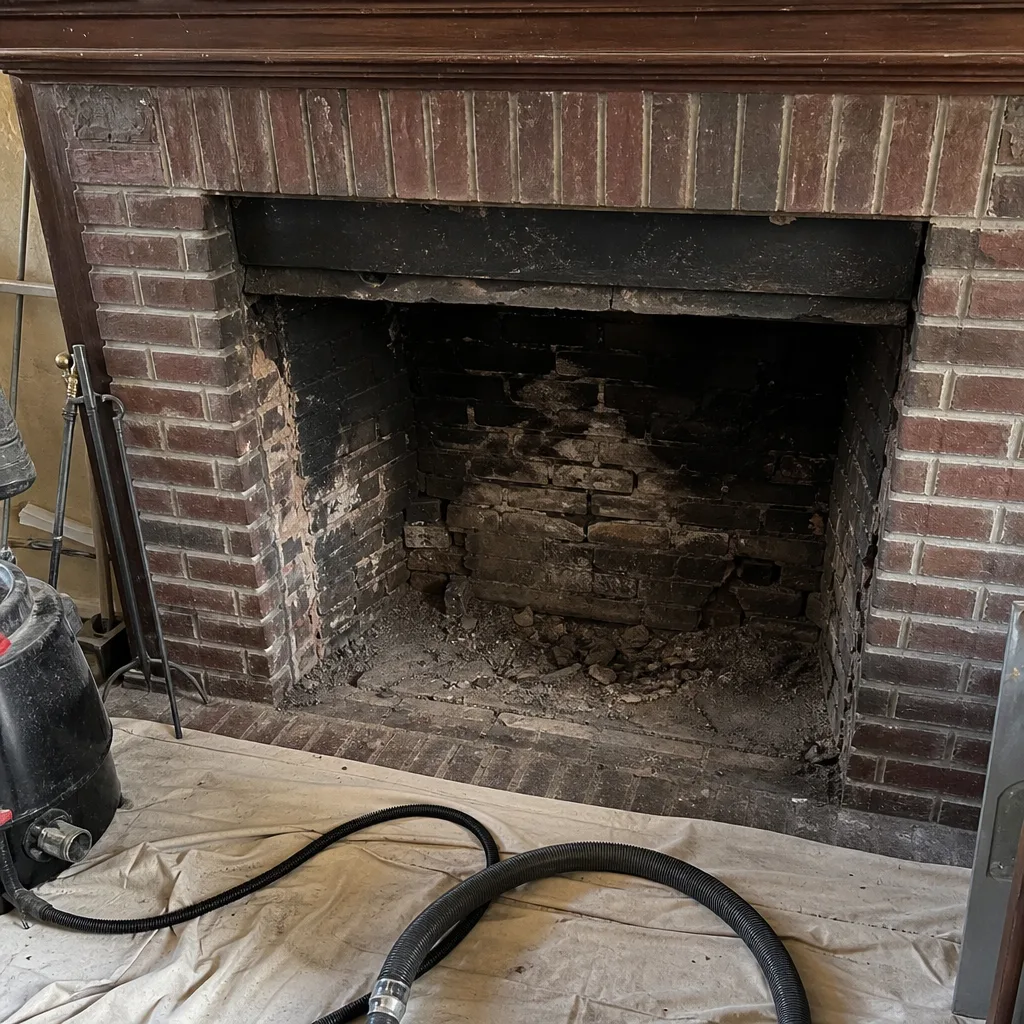 Before
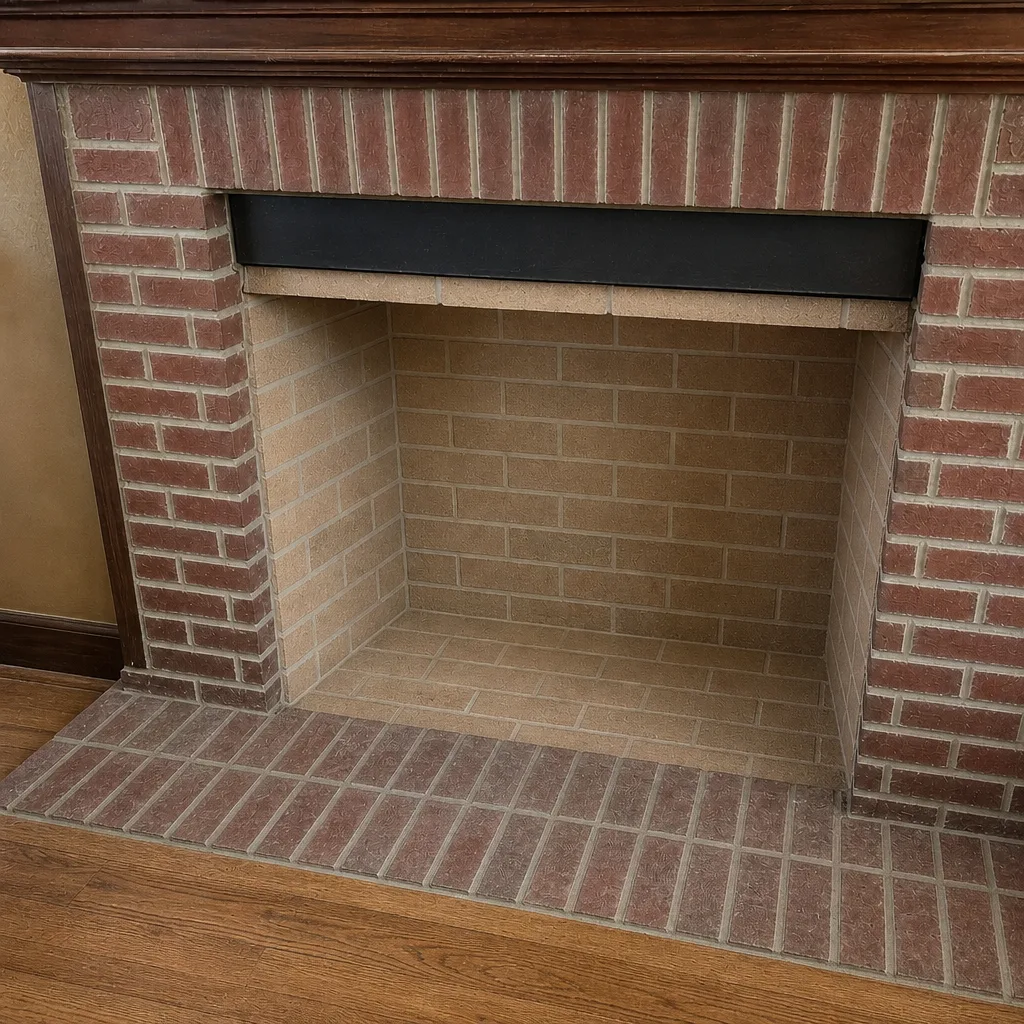 After
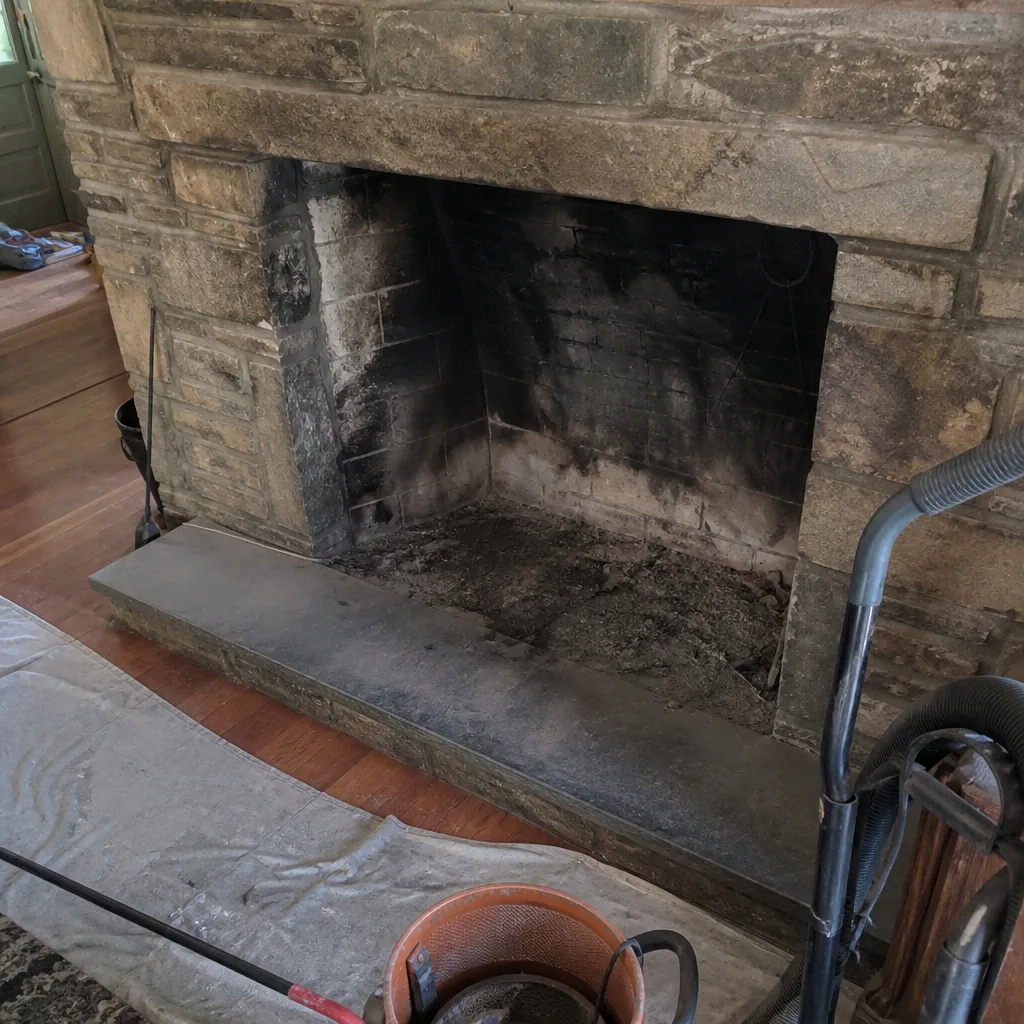 Before
 After
 Before
 After
When to Call a Professional
Some chimney issues are work for a trained professional, full stop. Call a professional if you smell smoke in the house when there’s no fire, if smoke rolls back into the room when you light a fire, if you’ve had a chimney fire, or if you see cracked or displaced tiles in the firebox or flue. If your CO alarm has ever triggered, stop using the fireplace until it’s checked. If you’ve bought a home in Somerton and don’t have documentation of the last inspection, book one before the first fire. And if a previous inspector warned you about the liner but couldn’t fix it, that’s exactly the conversation a full-scope company should have with you. Chimney Sweep Somerton offers free estimates in Somerton. Call (855) 528-0951. We answer 24/7, with fast dispatch from 7am to 7pm, Sunday through Friday.
Frequently Asked Questions
Once a year for a wood-burning chimney in active use, and more often if you burn green wood or use the fireplace as a primary heat source. Gas fireplaces still need an annual check for blockages, even though they don’t produce creosote. Call (855) 528-0951 for an exact quote; estimates are free.
A Level 2 includes a video camera scan of the flue interior, which catches cracks, gaps, and deteriorated joints that a visual check from the firebox and roofline can’t see. It’s the right call for pre-1970 Somerton homes, homes that have changed hands, or any chimney that’s had a fire. Call (855) 528-0951 to book one.
Not always, and a legitimate sweep should be able to show you the evidence either way. Some failing clay liners can be resurfaced with HeatShield without demolition, while others need a full replacement. Nothing should be recommended without camera photos you can review yourself. Call (855) 528-0951 for a documented assessment.
Creosote builds up on the flue walls, and glazed creosote is the fuel behind most chimney fires. Meanwhile, a cracked or blocked flue can vent carbon monoxide into the home without any visible smoke. Neither outcome is immediate, which is exactly why it’s easy to defer. Call (855) 528-0951 to get on the schedule.
The cost depends on the flue configuration, the buildup, and whether a camera inspection is included. We don’t quote over the phone for work we haven’t seen, because a guess doesn’t help anyone. The estimate is free, and the written estimate sets the final price. Call (855) 528-0951 for an exact quote.
Yes. We handle the whole chimney, not just the sweep: cap and crown, liner resurfacing and replacement, full rebuilds, and fireplace repair. That means one call and one crew instead of juggling a sweep company and a separate repair contractor. Call (855) 528-0951 to talk through what you need.
The Bottom Line
A chimney cleaning is not just about removing soot. It’s the once-a-year opportunity to find out what condition your flue is actually in, and in Somerton’s older housing stock, that matters more than the brushing. Read the report. Look at the photos. Ask why. A full-scope company should be able to explain what they found, show you the evidence, tell you when work can safely wait, and fix the problem themselves if one turns up. The sweep is the start of that conversation, not the whole of it.
Written by the team at Chimney Sweep Somerton.