
Last updated November 22, 2026
 Sweep & inspection
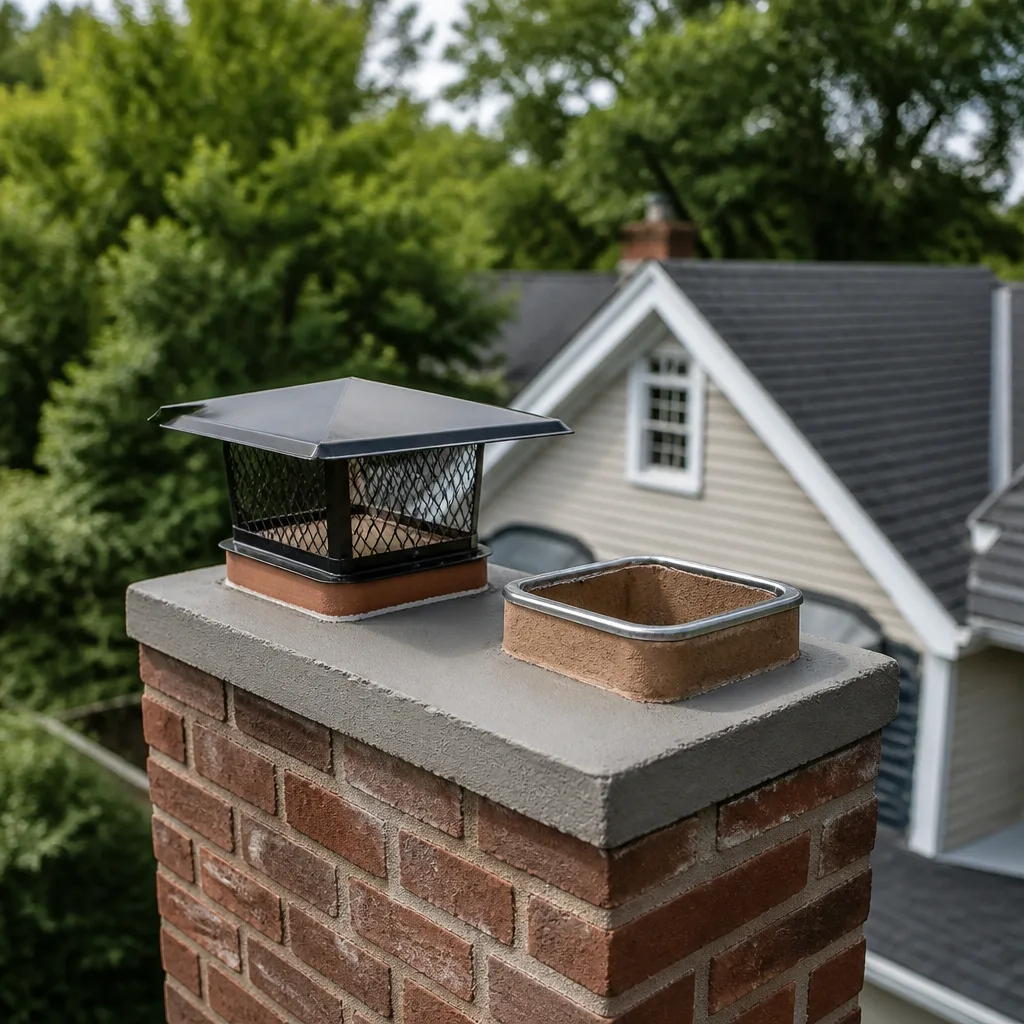
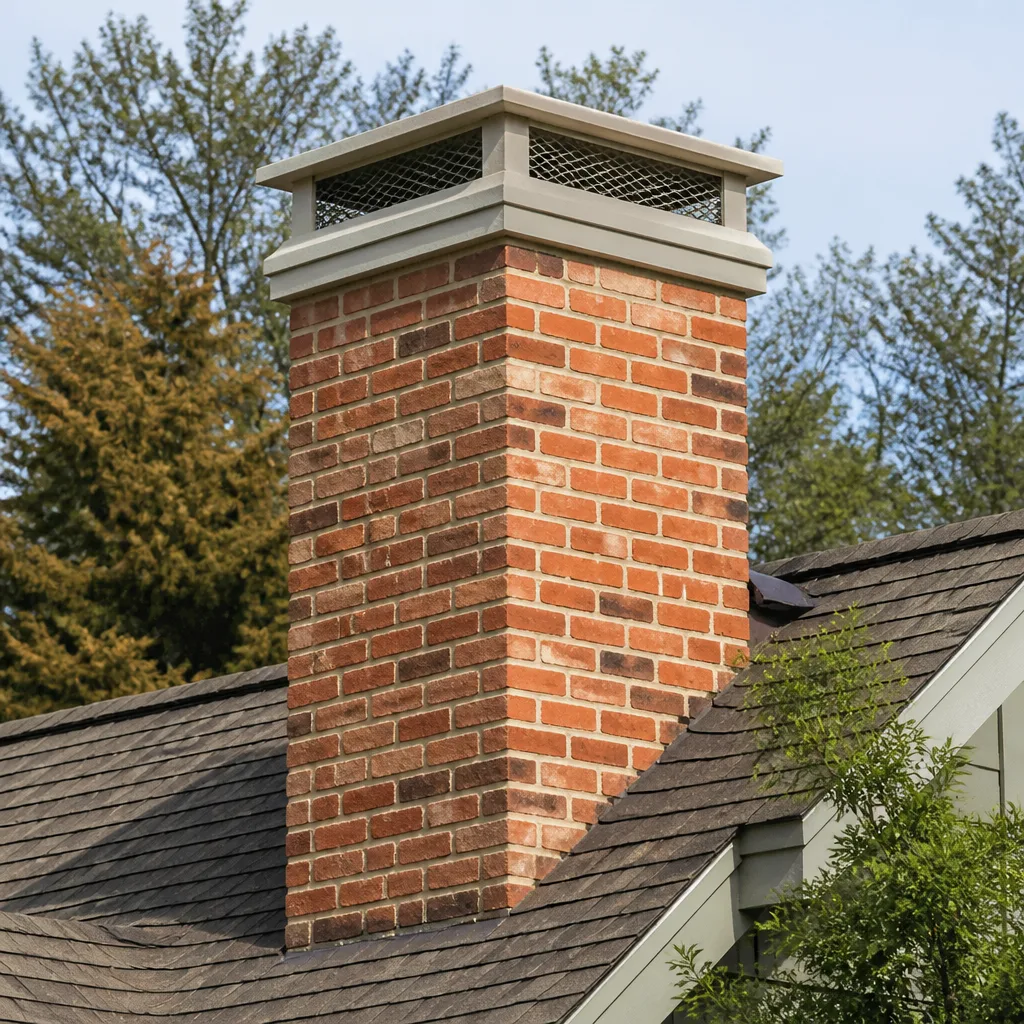 Caps & crowns
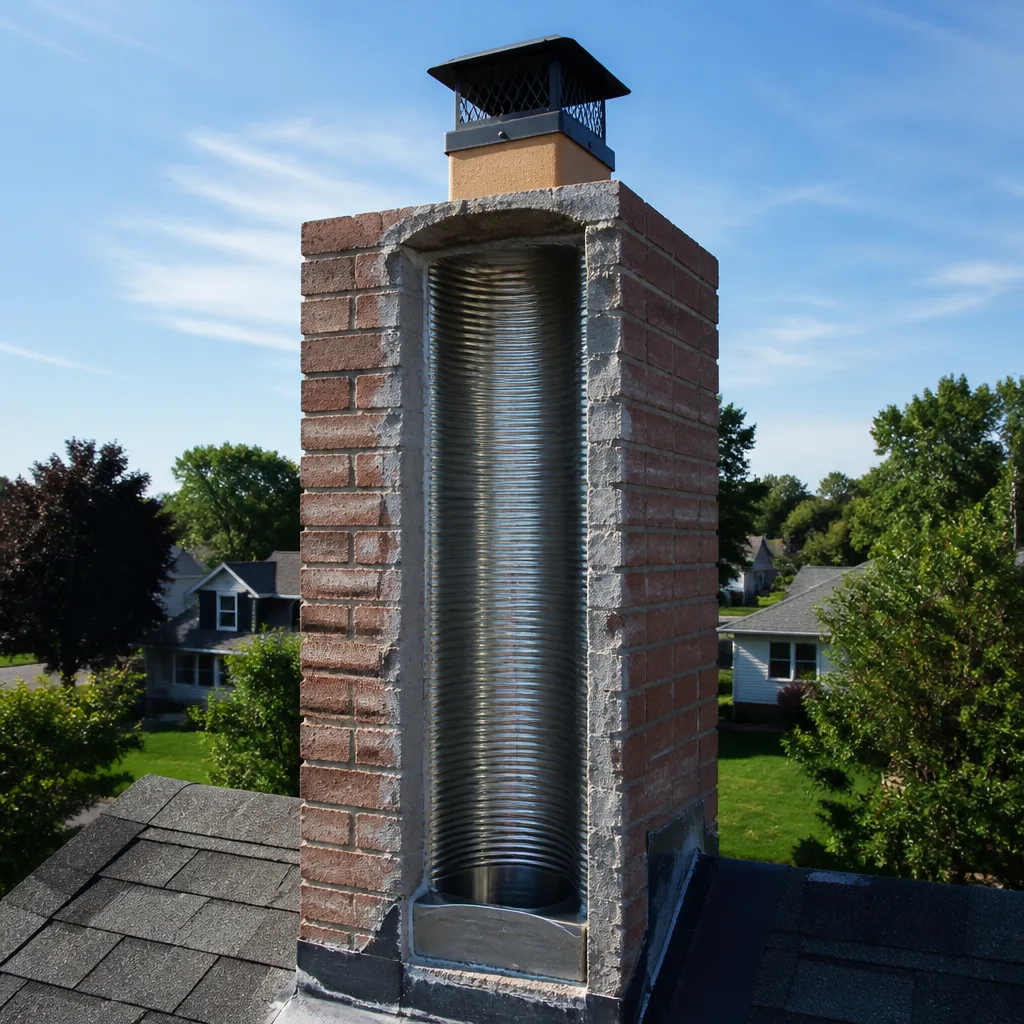 Flue relining
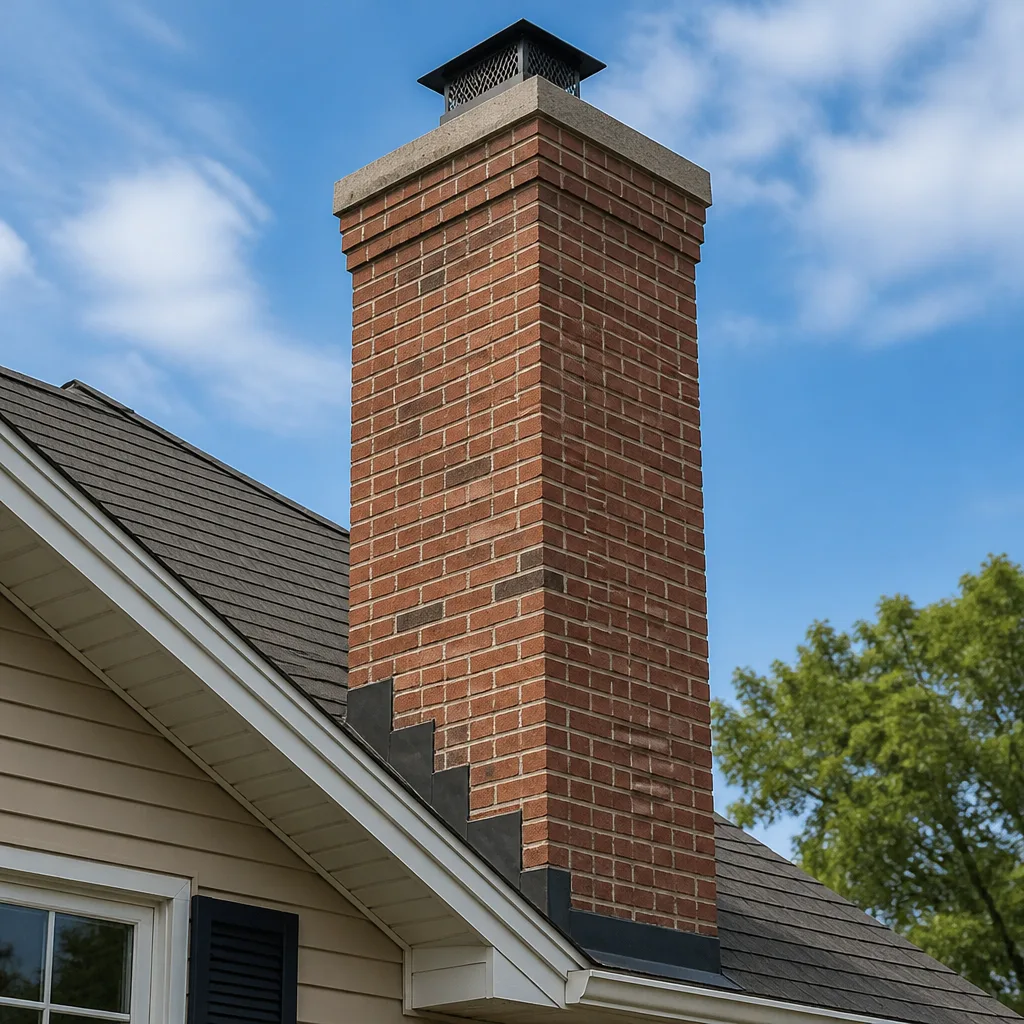 Masonry repair
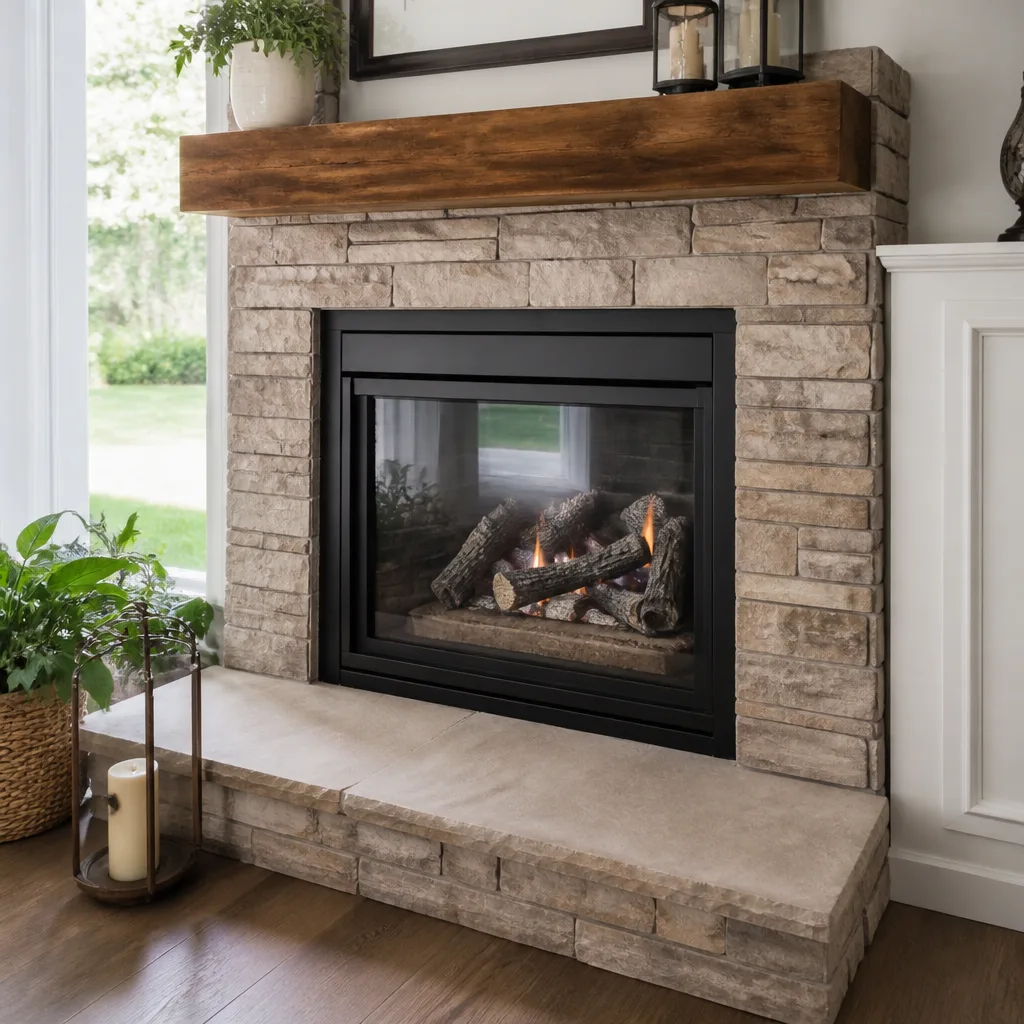 Gas fireplace service
Level 1 sweep and inspection to the NFPA 211 annual standard - flue, crown, cap, and flashing checked and photographed
Chimney sweep logs do not sweep chimneys. They loosen some creosote - which then falls where a brush and vacuum still have to collect it.
Chimney Sweep Maintenance Checklist for Somerton Homeowners
The crown is the first thing that fails on most Somerton chimneys and the last thing most homeowners ever think to check, because you can’t see it from the ground. A crown is the concrete or masonry cap that sits on top of the chimney and sends water away from the flue. When it cracks, water gets in, and the freeze-thaw cycles that roll through Somerton every winter do the rest. Water seeps into the masonry, freezes overnight, expands, and widens every small crack it finds. This guide is built around the failure points we actually see in Somerton’s residential chimneys: aging mortar crowns, deteriorating clay tiles, and flashing that shifts as temperatures swing. You’ll get a component-by-component checklist, plain guidance on what you can look at yourself versus what needs a trained eye, and a simple way to log your sweep findings year over year so you can spot slow decline before it turns into a rebuild.
Quick Answer
A chimney maintenance checklist for Somerton homeowners should cover five components: the crown, the cap, the flashing, the liner and the firebox. Check the crown and cap from the ground and from a roofline vantage point, inspect the flashing after any hard freeze, and have the liner and firebox evaluated by a professional during your annual sweep. Two items should never be self-assessed: liner integrity and the flashing seal. Those belong to someone trained to read them.
Styles & brands we work with
- Sweep & inspection
- Caps & crowns
- Flue relining
- Masonry repair
- Gas fireplace service
Table of Contents
- Why the Crown Fails First in Somerton
- The Cap: Small Part, Big Consequences
- Flashing and Freeze-Thaw Cycles
- Liner Integrity: What Only a Professional Can Tell You
- The Firebox: Cracks, Gaps, and What They Mean
- How to Log Your Sweep Findings Year Over Year
- What “Maintenance Complete” Actually Means
- Common Mistakes to Avoid
Why the Crown Fails First in Somerton
The crown takes everything the weather throws at it and gives nothing back. It’s the slab on top of your chimney, sloped slightly so rain and snowmelt run off its edges rather than down into the flue. Most of Somerton’s older homes have crowns built from mortar or poured concrete. Both work fine until they crack, and they almost always crack at the bond between the crown and the flue tile. Once that seal opens, water has a clear path into the chimney’s interior.
From the ground, a failing crown looks like a thin dark line or a rough patch near the top of the chimney. You may also notice whitish staining on the brick below the crown, or a small piece of concrete missing at an edge. Those are worth flagging, but they’re not conclusive. A hairline crack at the top of the chimney can widen into a real leak path after a single freeze.
Here’s what the freeze-thaw cycle does to a crown in Somerton:
- Water soaks into a small crack or a porous spot in the mortar.
- Overnight temperatures drop below freezing and the water expands.
- The crack widens slightly. Sometimes a chip of mortar comes loose.
- Temperatures rise, the ice melts, and more water enters the wider crack.
- Repeat through winter and into spring, until the crown’s surface is spalling and the flue tile sits exposed.
If you see chunks of mortar on your roof or in the gutter after a cold snap, that’s not random. That’s the crown losing material. A crown that’s cracked but still sound can often be sealed and rebuilt with a proper mortar mix. A crown that’s crumbling needs replacement, and that work is part of the chimney cap & crown service we handle. Doing it before the interior of the chimney takes on water saves the cost of a rebuild later.
The Cap: Small Part, Big Consequences
A chimney cap is the metal or mesh cover that sits above the flue opening. Its job is to keep rain, snow, birds, squirrels and debris out of the flue while letting smoke and gases escape. Caps are cheap compared to the damage they prevent, and yet we see a lot of Somerton chimneys with no cap at all, or a cap that’s rusted through and barely hanging on.
What to check on your cap:
- Is there a cap at all? Stand back from the house on a clear day and look at the top of the chimney. If you see an open flue, you don’t have one.
- Is the mesh intact? Rust eats through the mesh before the frame usually goes. Holes in the mesh let birds and squirrels in. A nest in the flue is a serious draft and fire concern.
- Is it attached? A cap that’s loose or tilted isn’t sealing anything. Wind and ice can walk an unsecured cap off the chimney entirely.
- Is the fit right? A generic hardware-store cover that doesn’t match the flue size leaves gaps. Purpose-engineered caps from brands like Gelco and Famco are built to specific flue dimensions and last far longer.
Caps are one of the few chimney items where quality varies wildly by product. A typical off-the-shelf cover is thin stainless steel or galvanized metal that rusts out in a few seasons. A properly sized cap with a stainless mesh and a solid frame will hold up for much longer. That’s why we install professional-grade caps rather than whatever’s on the shelf. It’s a small component, but it’s the one thing standing between your flue and everything the sky sends down.
Flashing and Freeze-Thaw Cycles
Flashing is the metal that seals the gap where your chimney passes through the roof. It’s shaped to channel water around the chimney rather than letting it run down the masonry or into the roof deck. When flashing is right, you don’t notice it. When it fails, water finds the path of least resistance and you end up with a stain on the ceiling that has nothing to do with your roof shingles.
Freeze-thaw cycles are hard on flashing in Somerton because the metal expands and contracts with every temperature swing. Sealant cracks, fasteners loosen and the flashing lifts slightly at the edges. In most cases, the leak doesn’t show up until there’s been enough water to soak through the roof deck. That’s why flashing failures are usually discovered after the damage is already underway.
Signs to watch for after a hard freeze or a stretch of cold, wet weather:
- Water staining on the ceiling or walls near the chimney chase, often worse after snowmelt.
- Damp or crumbling drywall around the chimney on the interior.
- Rust or corrosion on the metal where the flashing meets the chimney.
- Visible gaps between the flashing and the masonry, especially at the top edge.
We’ll say this plainly: do not try to reseal flashing yourself. The work involves getting on the roof, lifting shingles, and correctly integrating the metal with the roof and the chimney. If the flashing is wrong or the seal is incomplete, you won’t know until the next storm, and the damage will already be inside the house. Flashing seal is one of the two items on this checklist that should always be handled by a trained professional. Liner integrity is the other, and that’s next.
Liner Integrity: What Only a Professional Can Tell You
The liner is the flue inside your chimney. In older Somerton homes, it’s clay tile. In newer homes or in homes that have been relined, it may be a stainless steel flexible liner. Either way, the liner is what carries smoke and hot gases up and out of the house, and it’s what keeps carbon monoxide and heat from getting into the structure of the chimney and the rooms around it.
You cannot meaningfully inspect a liner from the firebox with a flashlight. Hairline cracks in clay tile, gaps at joints, and deterioration of mortar between tiles are all hidden from view. The only way to know the condition of the liner is to sweep the flue and run a camera down it, then look at the footage together. A camera inspection shows what the flue actually looks like from top to bottom, not what it looks like from where you’re standing.
Signs that your liner may need a professional look:
- Smoke or a smell of creosote in the room when the fireplace is burning.
- Visible cracks, gaps or missing pieces of clay tile when you look up the flue from the firebox.
- Flue tiles that have shifted out of alignment, which suggests movement in the chimney structure.
- Any evidence of water getting into the flue, which accelerates tile damage.
- A change in how the fireplace drafts, especially if it used to draft fine.
A damaged liner is a real safety concern. Smoke and carbon monoxide can seep through cracks into the home, and in the worst case a fire can spread into the chimney structure. If the inspection shows a deteriorated flue, relining is usually the answer. A flexible stainless liner from a brand like Olympia Chimney or DuraFlex can follow the path of an offset or irregular flue without demolishing the chimney. And for flues that are still structurally sound but worn on the inside, a HeatShield restoration can often recover the interior surface without a full rebuild. Both are options that a cleaning-only crew can’t offer, and both are part of the chimney repair work we do. Our technicians have up to 8 years of experience reading liner condition, and we bring the camera footage to you so you can see what we see.
The Firebox: Cracks, Gaps, and What They Mean
The firebox is the chamber where the fire actually burns. In masonry fireplaces, the firebox is lined with firebrick set in refractory mortar. Both are designed to take heat, but neither lasts forever. Over seasons of use, the mortar joints between the firebricks crack and the bricks themselves can spall, meaning the face of the brick chips away.
Small hairline cracks in the firebox mortar are common and often not an emergency. Wider cracks, missing mortar, or bricks that move when you touch them are another matter. Gaps in the firebox let heat and gases reach the structure behind it, which is a fire risk. This is one area where a homeowner can look, but should be careful about conclusions. A quarter-inch crack in the back wall of the firebox might be a simple re-point, or it might indicate that the firebox needs a rebuild. You can’t tell the difference by eye.
What to look for, in plain terms:
- Cracks wider than a hairline, especially where the firebox walls meet the floor.
- Missing or crumbling mortar between firebricks.
- Bricks that are cracked, chipped, or loose when touched.
- Rust on the metal damper or grate, which suggests moisture is present.
- A firebox that looks “slumped” or uneven compared to the surrounding brick.
If any of those signs are present, get it evaluated before your next fire. A firebox repair that’s caught early is a mortar job. A firebox that’s ignored can lead to a much bigger repair, or worse, a fire that reaches the framing. Our sweep includes a firebox check with every visit so you get an honest read on what’s there.
How to Log Your Sweep Findings Year Over Year
One of the most useful things a Somerton homeowner can do is keep a simple record of what each sweep finds. Chimney problems don’t happen all at once. They happen gradually, and the difference between a small repair and a major one often comes down to noticing what changed from one year to the next.
A basic log doesn’t need to be complicated. A notebook or a shared note on your phone will do. Here’s what to capture after every sweep:
- Date of the sweep. The time of year matters for comparison.
- Amount of creosote found, in plain terms. “Light dust” versus “thick and flaky” versus “glazed” tells you a lot about your burning habits.
- Any cracks or gaps noted in the liner. Note where and how wide, even if the answer is “monitor.”
- Condition of the crown and cap. Cracks, missing pieces, rust, anything that changed since last time.
- Condition of the flashing. Any separation, corrosion or sealant cracks.
- Firebox condition. Note any new cracks, and where they are.
- What was repaired and what was deferred. This is the most important line. Deferred items need a date beside them, not a vague “check later.”
We’ve seen the value of this firsthand. A crown that shows hairline cracks one year and pieces missing the next is telling you it’s failing. A liner that reads “light surface flaking” two years running and then “flaking plus a visible gap” has changed. If you have the log, you catch the change. If you don’t, you’re starting from zero every visit.
If you’d rather not keep the bookkeeping yourself, we can leave a written summary after each sweep that includes what we found and what we recommend. That summary becomes your record. Bring it out at the next appointment and the comparison is easy.
What “Maintenance Complete” Actually Means
A sweep is not the same as maintenance complete. That matters, because the two get confused all the time. A sweep removes creosote and clears the flue. It gets rid of the immediate fire hazard and gives us a chance to look at the system. Maintenance complete means every item on the checklist has either been serviced or documented as deferred with a reason and a timeline.
Here’s how we break it down at the end of a Chimney Sweep Somerton visit:
- Serviced this visit: sweep, basic cap check, firebox inspection, visual liner check with camera footage shared with the homeowner.
- Recommended and booked: repairs that are safe to schedule, such as a crown seal, a new cap, or flashing resealing.
- Recommended and deferred: items that don’t need to happen right away but do have a shelf life. These come with a window, not an open-ended “watch it.”
Deferral only works if the item genuinely can wait. A hairline crown crack that’s not spalling can usually wait a season. A liner with an active gap cannot wait at all, because the next fire is the risk. A missing cap can wait a few weeks if the weather is mild and dry, but a bird can nest in that window, so it’s a good thing to book sooner than later. What we don’t do is recommend repairs without showing you why. The camera footage is the evidence, and you own a copy of it. If a previous contractor told you that you need a new liner and you have no way to verify it, that’s exactly the situation where a proper inspection with footage is worth doing before you spend a dollar.
Common Mistakes to Avoid
- Skipping the crown because you can’t see it from the driveway. It’s the most common failure point on Somerton chimneys, and it’s the one that gets ignored the longest. If you never look at the crown, you never catch the failure. A quick glance from the roofline or from an attic window if you have one is enough to flag anything obvious.
- Assuming a sweep is a full inspection. A sweep clears the flue. A proper inspection uses a camera and looks at the liner, the firebox, the cap and the crown. If your sweep doesn’t include a camera look down the flue, you’re not getting the whole picture.
- Burning unseasoned wood to save money. Wet wood burns cooler, which means more creosote, which means a harder sweep. In Somerton’s cold winters the temptation to burn whatever’s on hand is real, but the creosote buildup is the trade. Seasoned wood is worth the wait.
- Resealing flashing without lifting it. Smearing sealant on top of a gap doesn’t fix the gap. It hides it until the first snowmelt. Flashing seal is a professional job, not a caulk job.
- Installing a generic hardware-store cap. An off-the-shelf cover that doesn’t match the flue size leaves gaps, and the mesh rusts out fast. A purpose-built cap from a brand like Famco fits correctly and lasts.
- Deferring repairs without a date. “We’ll do it next year” turns into “we forgot.” Every deferred item on your log needs a season or a month beside it so it doesn’t slip.
- Assuming a Gas fireplace doesn’t need attention. Gas fireplaces still have a flue and a firebox, and the masonry around them still takes on water. The checklist applies to gas and wood-burning systems alike in Somerton homes.
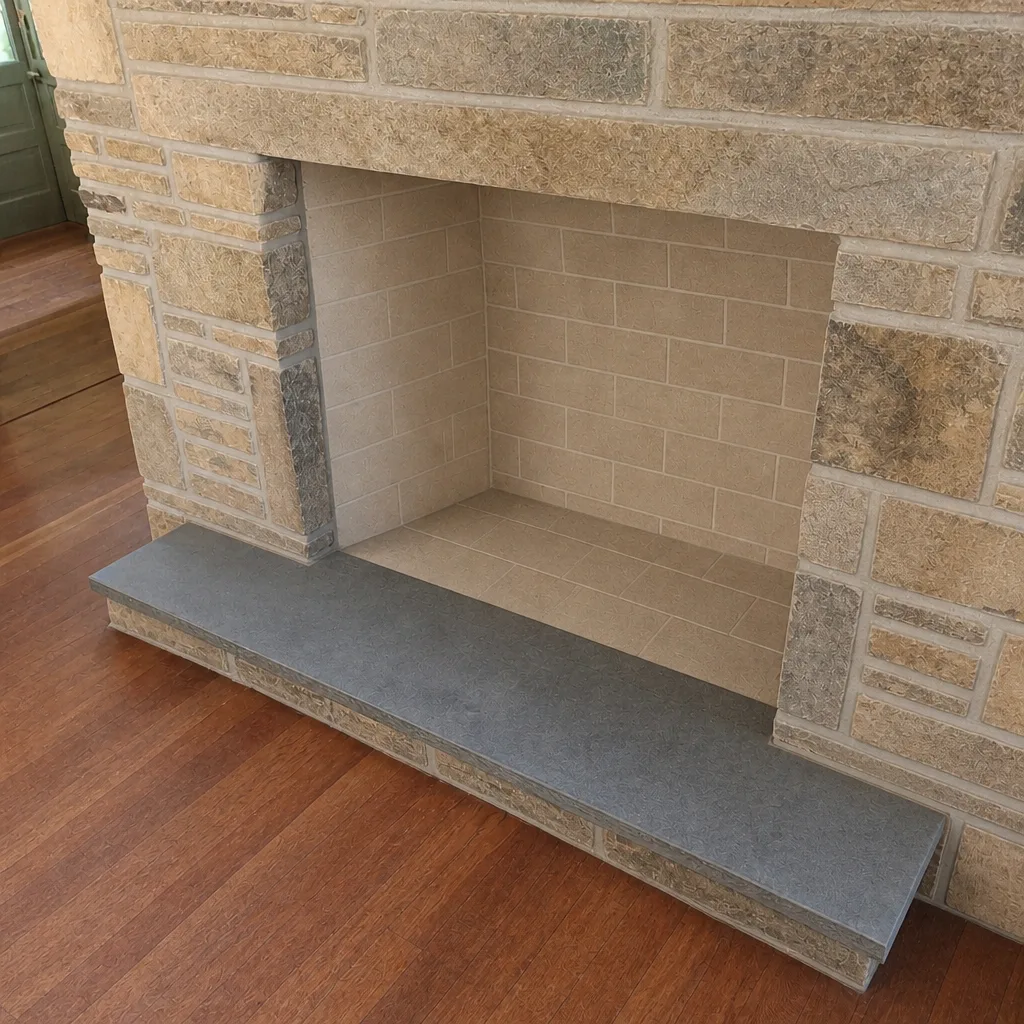
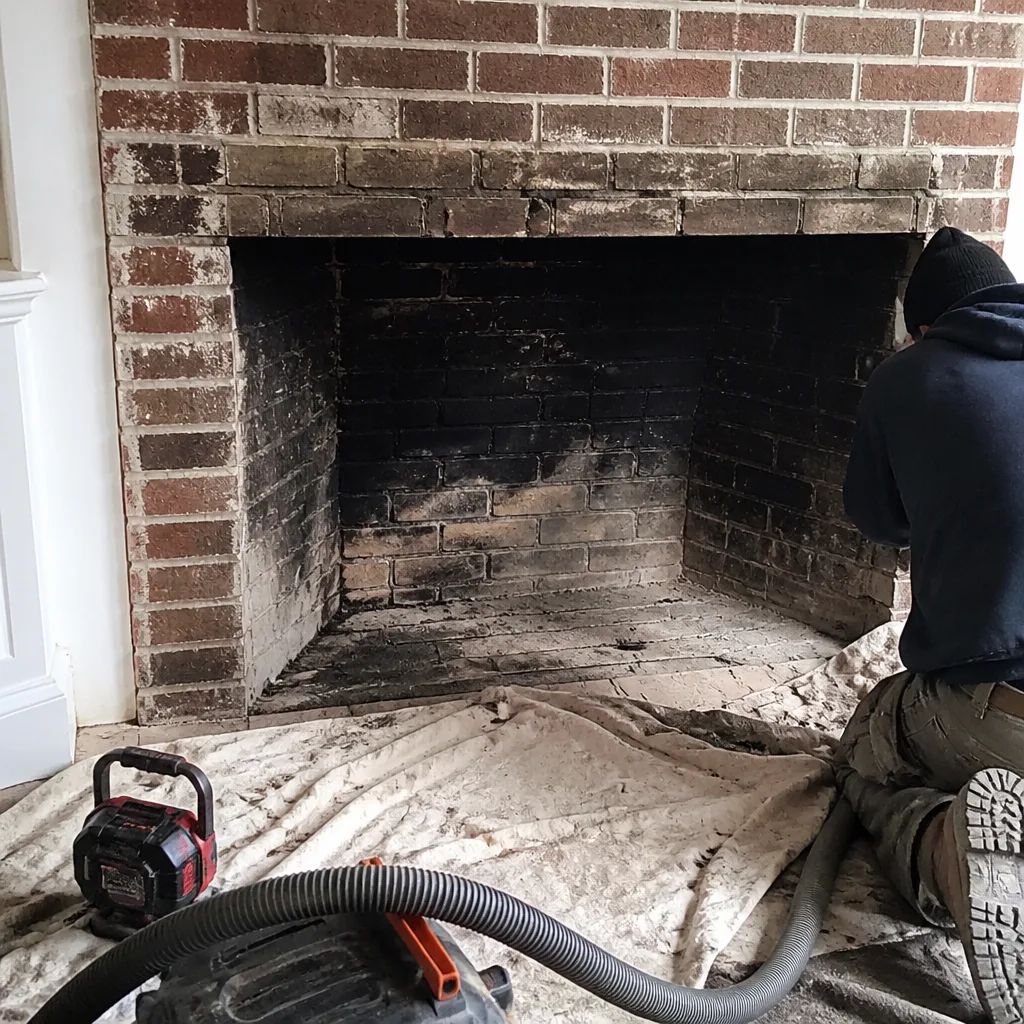
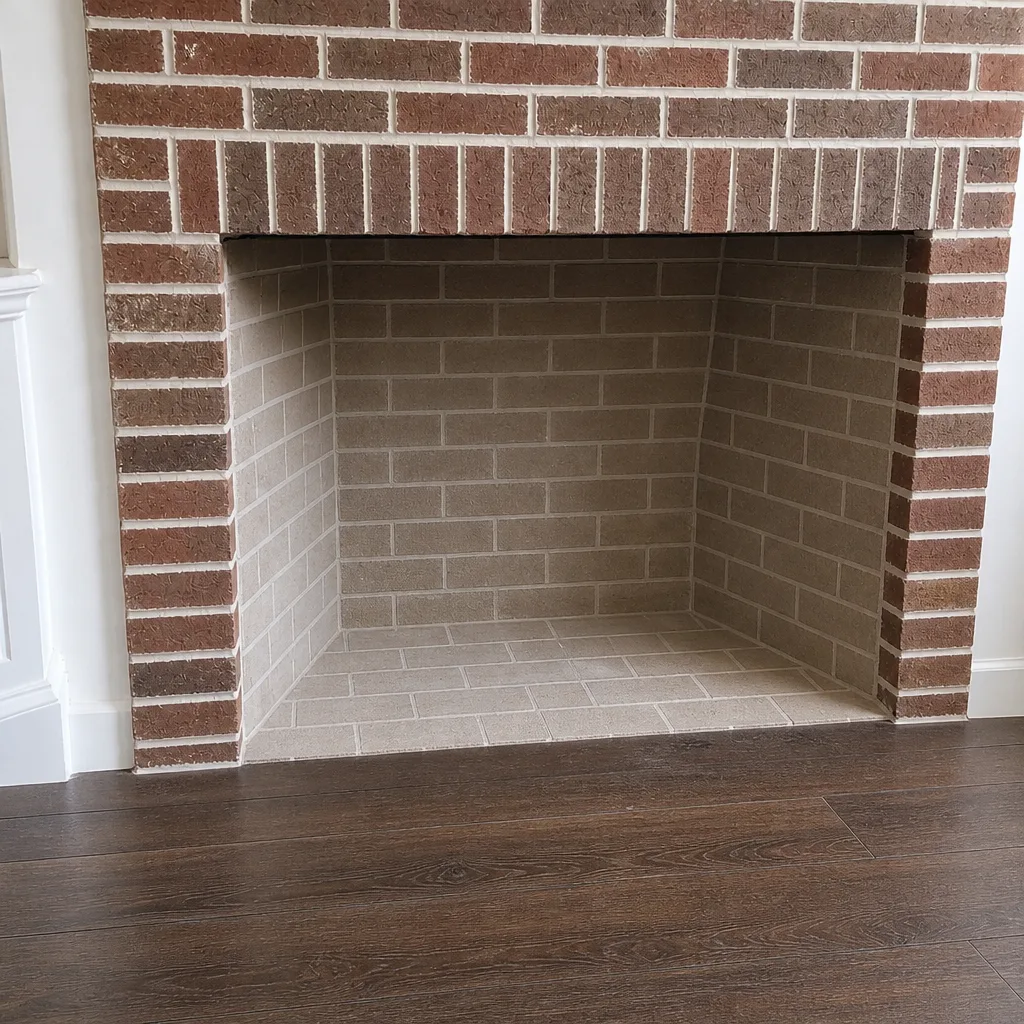
See the difference
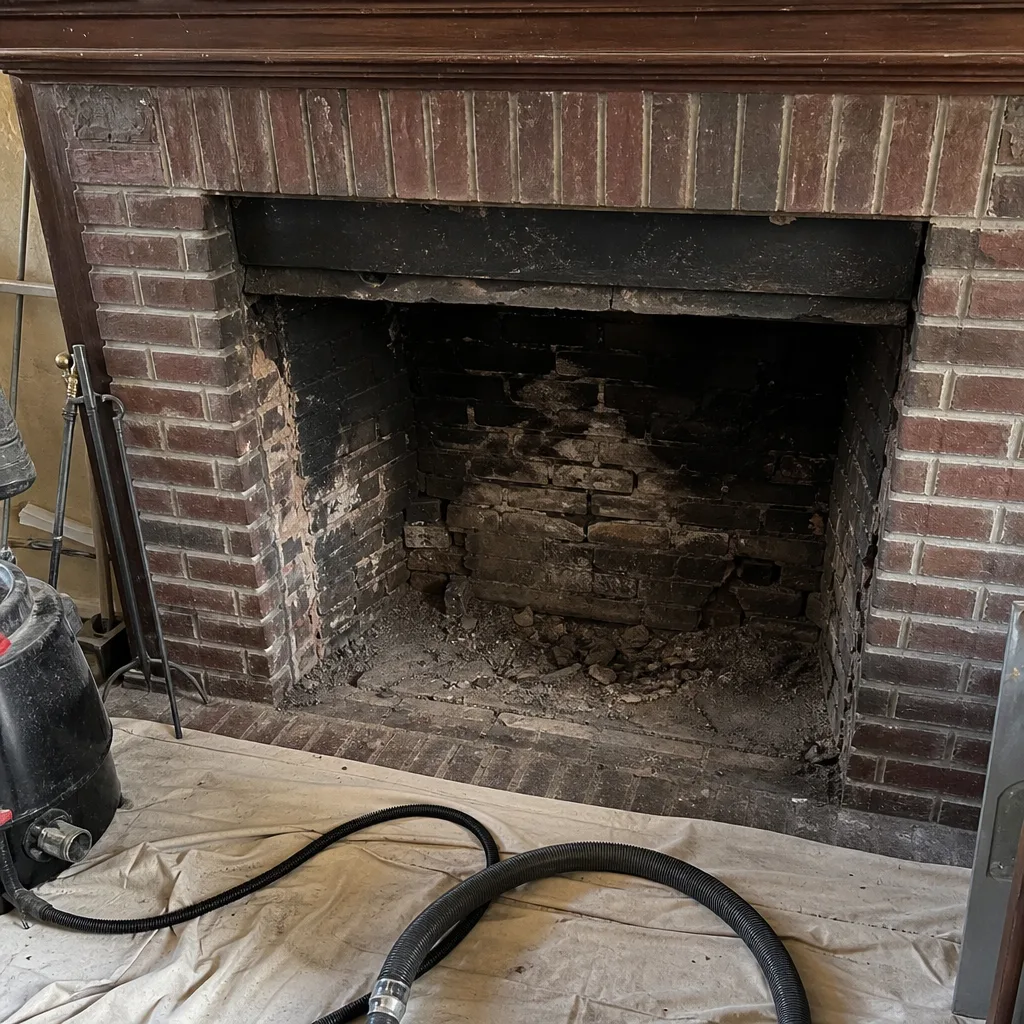 Before
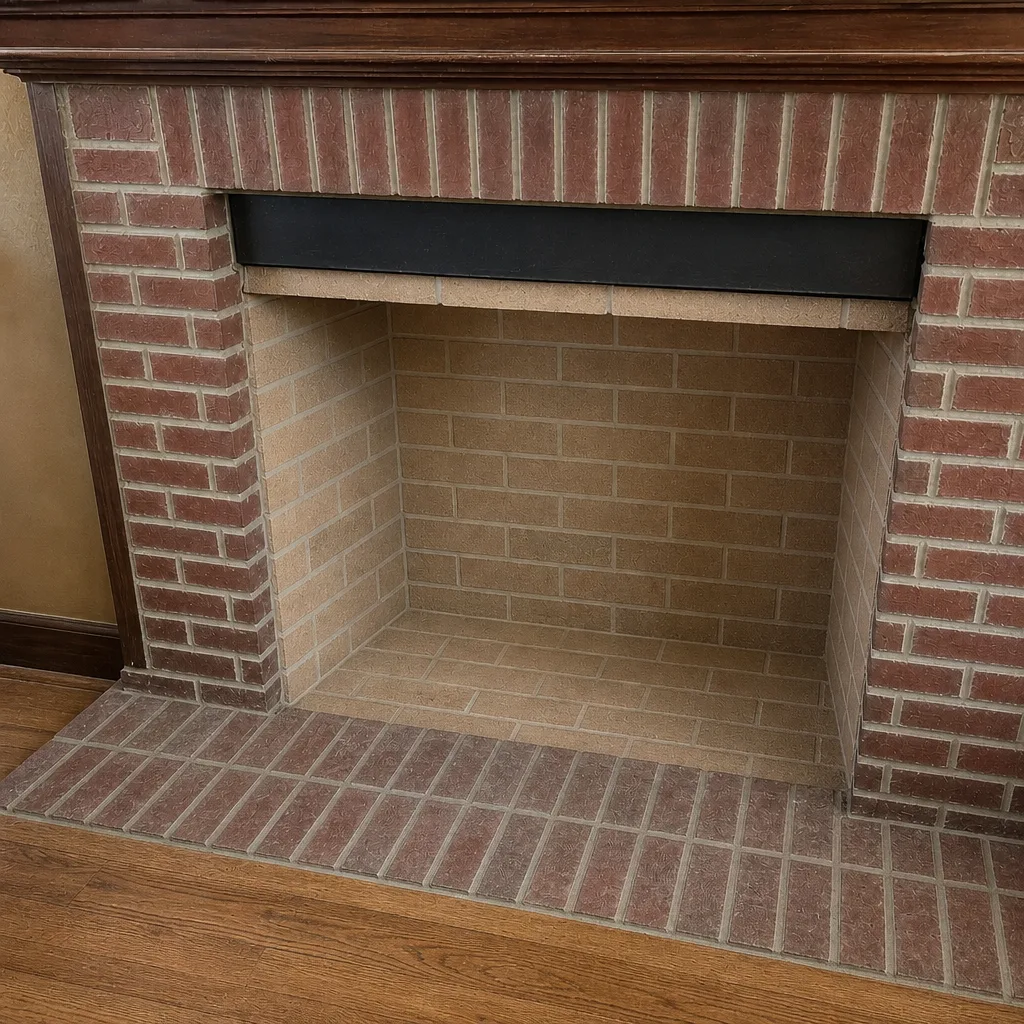 After
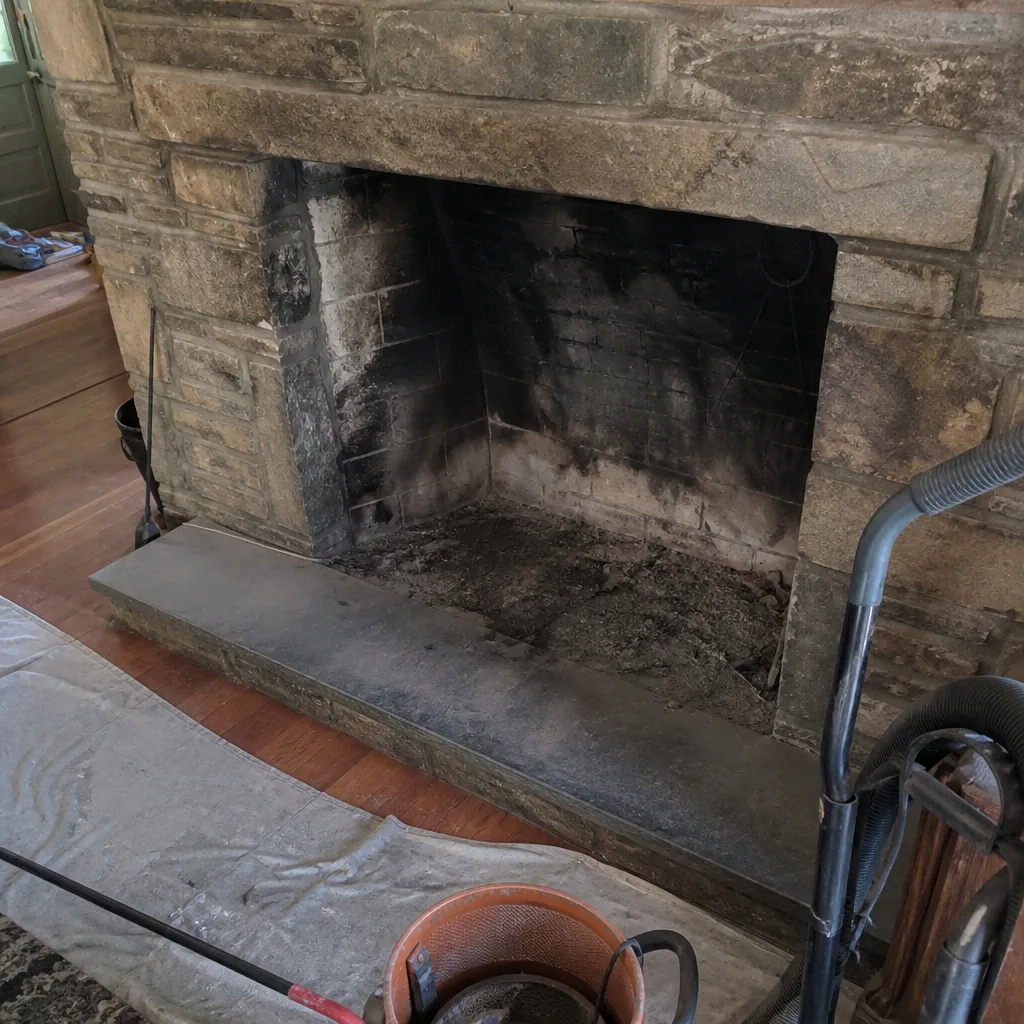 Before
 After
 Before
 After
When to Call a Professional
Some items on this checklist are worth a look from the ground. Two are not: liner integrity and the flashing seal. If you notice smoke or a strong smell in the room while the fireplace is burning, if you see water staining near the chimney chase, if chunks of mortar are landing on the roof after a cold snap, or if you haven’t had the flue inspected in more than a year, that’s the moment to book a professional evaluation. The same goes for any gap in the firebox, any cap that’s loose or missing, and any crown that’s visibly spalling. None of those are things to diagnose from a ladder.
We handle the whole chimney, not just the sweep, which means the same crew that inspects can also do the crown rebuild, the cap install, the liner work and the firebox repair. One call, one crew, no need to bring in a second contractor for the repairs the sweep just found. Chimney Sweep Somerton offers free estimates in Somerton. Call (855) 528-0951. We answer 24/7. Fast dispatch from 7am to 7pm, Sunday through Friday. Every estimate includes camera footage and a written scope before any work is booked, and the price is set per job by the written estimate.
Frequently Asked Questions
Once a year is the general rule for a wood-burning chimney, and that timing lines up with Somerton’s seasons: a sweep in late summer or early fall gets the flue ready before burning season starts. A gas fireplace benefits from an annual inspection even if it doesn’t need a sweep every year, because the liner and firebox still age and the cap and crown still take on weather. If you burn often, or burn wet wood, more frequent sweeps are worth discussing with a professional. Call (855) 528-0951 for an exact quote. Estimates are free.
A proper sweep clears creosote from the flue and checks the whole chimney system: the crown, the cap, the flashing, the liner and the firebox. The sweep is the fire-hazard clearance, and the inspection is the diagnostic. We run a camera down the flue and share the footage with you, so you see what we see rather than taking our word for it. Items that need repair get flagged with a reason and a timeline.
You need a new liner if the current one is failing, and the only way to know that is to look at it with a camera. Clay tiles crack from freeze-thaw stress, joints open, and water accelerates the damage. If the footage shows a liner in good shape, you don’t need one and we’ll tell you so. If it shows deterioration, relining with a DuraFlex flexible liner or a HeatShield restoration is often better than a full rebuild, and it’s less expensive. Call (855) 528-0951 to book an inspection with footage. Estimates are free.
No, and we’d advise against trying. Flashing has to be lifted, integrated with the roof shingles and sealed correctly against the masonry, and an incomplete job won’t show the failure until the next storm. The leak path is usually inside the chimney chase, where you can’t see the damage until it’s already happened. Flashing seal and liner integrity are the two items on this checklist that should always go to a trained professional.
Skipping maintenance lets small failures turn into big ones. A cracked crown lets water into the flue, which damages the liner. A damaged liner lets smoke and carbon monoxide into the home. A missing cap lets animals and debris in. None of those happen overnight, and that’s exactly why a yearly look matters: you catch the small problem before it becomes the big one. Call (855) 528-0951 for an inspection. Estimates are free.
Repairs that can wait are those with no active hazard and no active water intrusion, and the waiting window has a limit. A hairline crown crack that isn’t spalling can usually wait a season. A liner gap or a flashing leak cannot wait, because the next fire or the next freeze is the risk. Every deferred item on your log needs a date beside it, not an open-ended “watch it.” If a previous contractor gave you a vague warning and no evidence, get the camera footage first.
The Bottom Line
A chimney maintenance checklist for a Somerton home only works if it’s tied to what actually fails here. The crown, the cap, the flashing, the liner and the firebox are the five components that decide the health of your chimney, and freeze-thaw cycles are the force that wears all five down. Check the crown and cap from the ground. Never self-assess the liner or the flashing seal. Log your sweep findings every year so you can see what’s changing, and make sure every deferred repair gets a date, not a shrug. If you’re not sure what you’re looking at, book an inspection and ask for the camera footage. Check out our Chimney Sweep Somerton page for the full scope, or book a chimney sweep to start your log this season.
The whole point of maintenance is to find the small problem while it’s still small. The crown is the first thing that fails and the last thing you check, so putting it at the top of the list is the single highest-value change most Somerton homeowners can make. Call Chimney Sweep Somerton at (855) 528-0951 for a free estimate. We answer 24/7. Fast dispatch from 7am to 7pm, Sunday through Friday. The estimate includes camera footage, a written scope, and an honest read on what can wait and what can’t.
Written by the team at Chimney Sweep Somerton.