
Last updated November 22, 2026
 Sweep & inspection
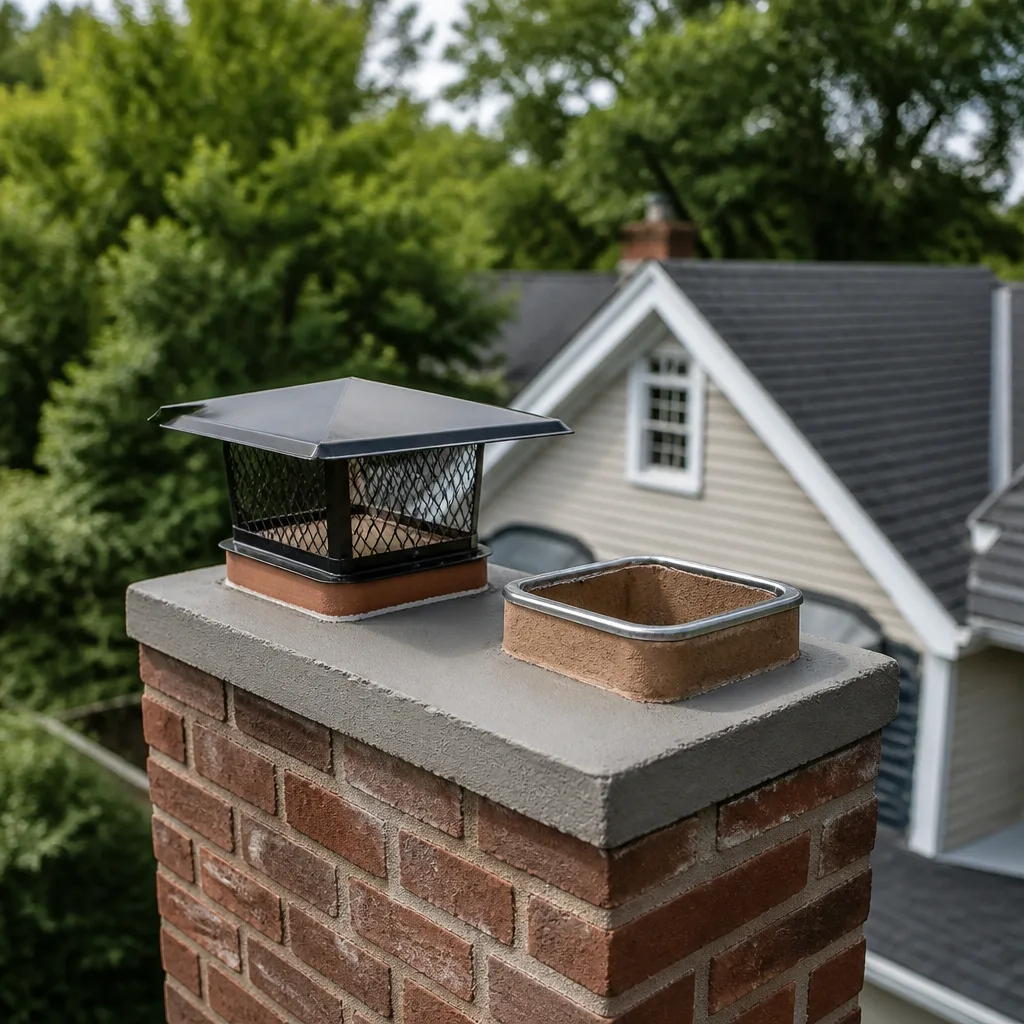
 Caps & crowns
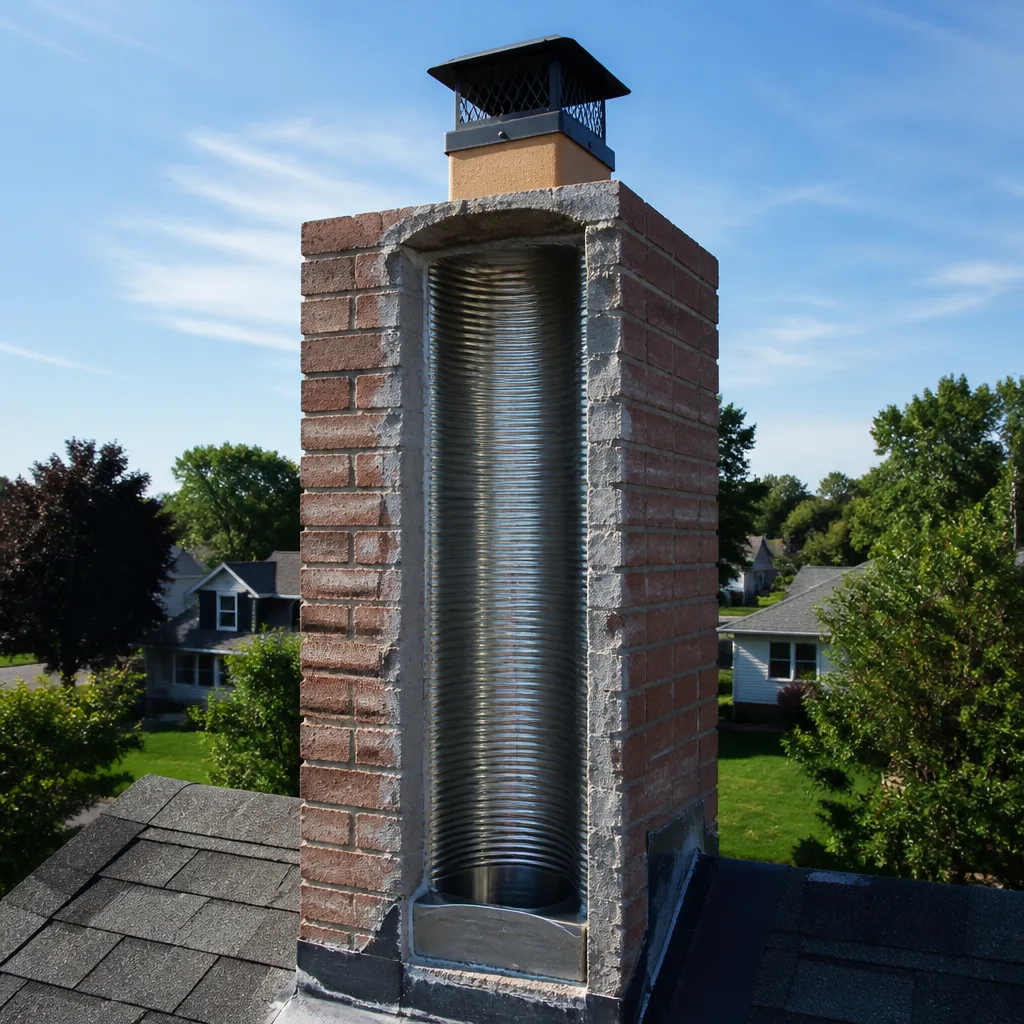 Flue relining
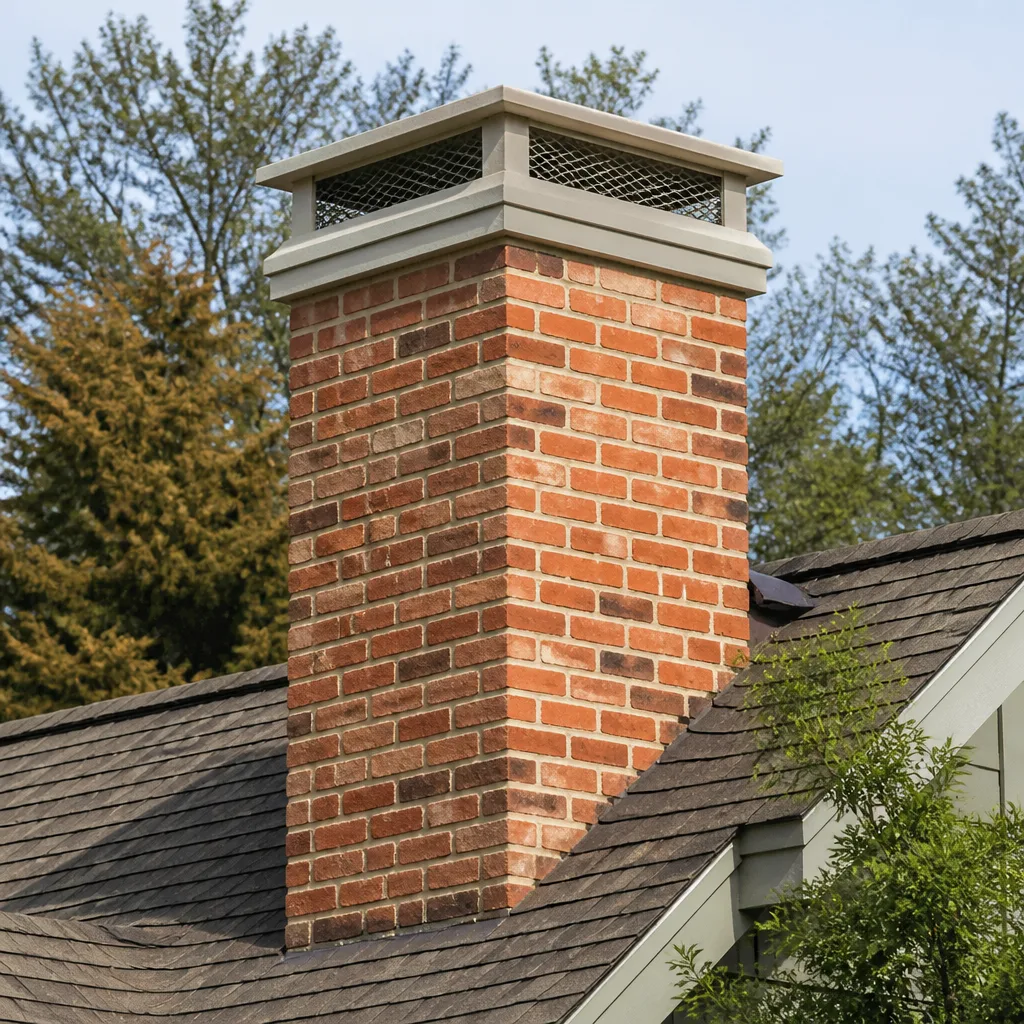
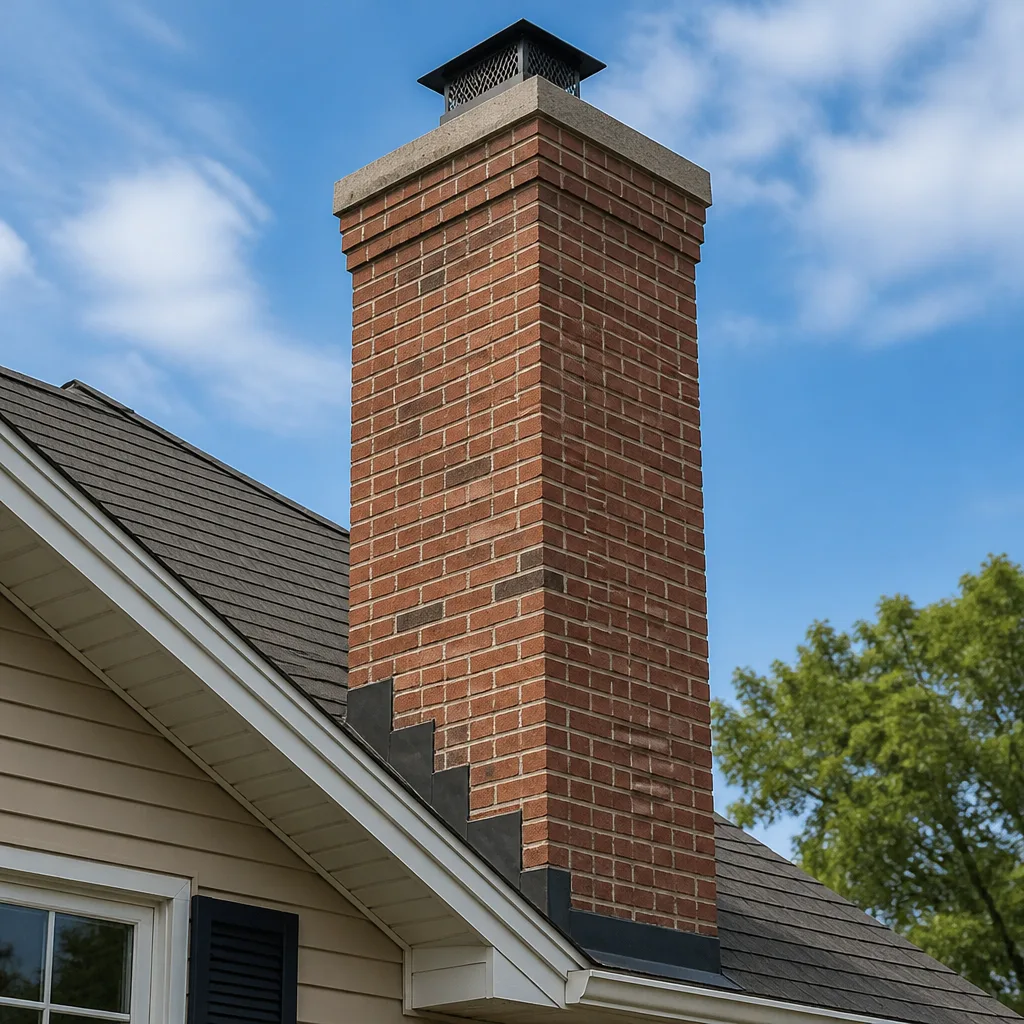 Masonry repair
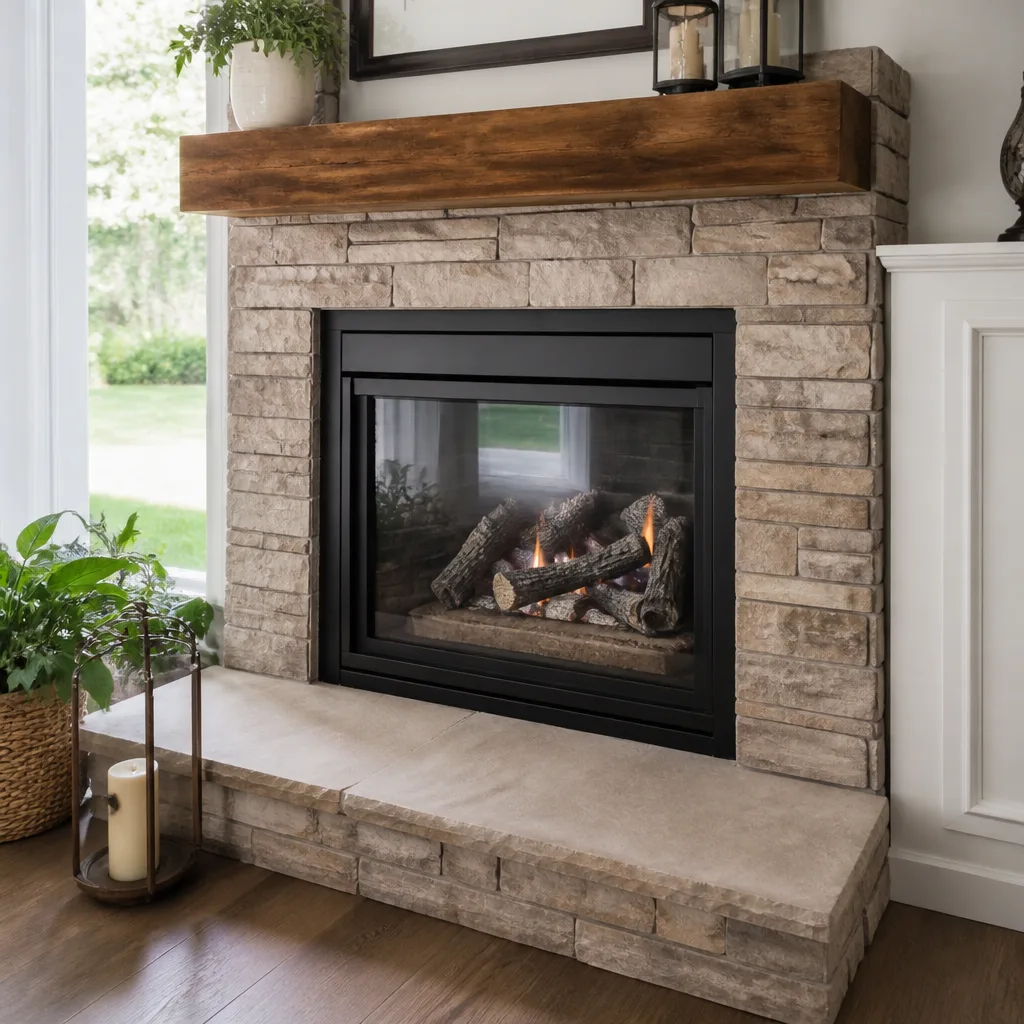 Gas fireplace service
Level 1 sweep and inspection to the NFPA 211 annual standard - flue, crown, cap, and flashing checked and photographed
Chimney sweep logs do not sweep chimneys. They loosen some creosote - which then falls where a brush and vacuum still have to collect it.
Chimney Cleaning Warning Signs: A Somerton Homeowner’s Reference Guide
A white stain running down the outside of your chimney isn’t cosmetic. It’s efflorescence, and it means water is moving through your masonry in a direction it shouldn’t be. Most chimney problems announce themselves long before they turn dangerous. The trouble is that homeowners don’t always know what they’re looking at, so a real warning gets filed away as “just an old chimney being old.” This guide is written to fix that. We want you to walk outside, look up, look inside your firebox with a flashlight, and know the difference between a sign that means “schedule a sweep soon” and one that means “stop burning today.” Everything here applies to the older homes and wood-burning fireplaces common around Somerton, PA.
Quick Answer
The warning signs that matter most are, in order: cracked or crumbling exterior masonry and white efflorescence stains, a cracked crown or a missing cap, heavy black creosote or shiny glaze inside the flue, smoke spilling into the room when you light a fire, and rust or water streaks on the firebox or damper. Any of these means it’s time for a professional inspection. Two of them, smoke spilling into the room and glazed creosote, mean stop using the fireplace until a technician has looked at it.
Styles & brands we work with
- Sweep & inspection
- Caps & crowns
- Flue relining
- Masonry repair
- Gas fireplace service
Table of Contents
- Exterior masonry signs: what the outside of your chimney is telling you
- Crown and cap signs: the parts most homeowners never look at
- Inside the firebox: what a healthy flue looks like and how yours deviates
- Draft problems and what they actually point to
- Ceiling and wall signs around the chimney
- Why warning signs show up in summer
- Stop burning today versus schedule a sweep soon
- Common mistakes to avoid
Exterior Masonry Signs: What the Outside of Your Chimney Is Telling You
The exterior of a chimney takes the worst of the weather, and in Somerton that means freeze-thaw cycles every winter. Water soaks into brick and mortar, freezes, expands, and pushes the masonry apart a little at a time. The damage happens slowly enough that most homeowners don’t notice until a chunk of mortar lands on the roof. Here’s what to look for, from the ground with a pair of binoculars if that’s what it takes to see the top clearly.
- White, chalky stains (efflorescence). This is the most misread sign on any chimney. It’s salt pushed to the surface by water traveling through the brick. It means moisture is moving through your masonry. It doesn’t always mean structural failure, but it always means water is getting in somewhere.
- Crumbling mortar joints. Run a finger along a joint at eye level. If mortar powders off, the joints are past their useful life and need repointing before the brick above starts to shift.
- Spalling brick faces. When the front face of a brick flakes off or pops away, that brick has absorbed water and frozen. A few spalled bricks can be replaced. A whole course of them means the chimney needs more than a patch.
- Leaning or separated from the house. A visible gap between the chimney and the siding, or a chimney that leans, is a structural warning. Stop using the fireplace and get it looked at before anything else.
- Dark staining at the top. Black staining near the flue exit usually means the chimney is running without a proper cap, so rain and animals have open access.
In our experience, the exterior is where a Somerton homeowner can do the most useful early detection with the least effort. If you see efflorescence and crumbling joints together, water has been getting in for more than one season. That’s the point where a chimney repair visit saves real money against waiting for a rebuild. Our technicians have up to 8 years of experience reading exactly these patterns, and a proper assessment starts with a look at the outside before anyone climbs anything.
Crown and Cap Signs: The Parts Most Homeowners Never Look At
The crown is the concrete slab at the very top of the chimney, and the cap is the cover that sits over the flue opening. Together they do the single most important job on the whole structure: they keep water and animals out. They’re also the two components homeowners almost never inspect, because you have to be on the roof to see them well. Here’s what a failing crown and cap look like.
- Cracks in the crown. Hairline cracks are common and often harmless. Cracks wide enough to catch a fingernail, or any crack running to the edge of the crown, are letting water down into the masonry below.
- A crown that’s pulling away from the flue. The crown should slope gently away from the flue so water runs off. When the seal between crown and flue opens up, water runs straight down the outside of the flue into the chimney body.
- A missing or damaged cap. No cap means rain goes straight down the flue, birds and squirrels nest inside, and sparks can land on the roof. A rusted or bent cap means the same thing in a different shape.
- A screen that’s torn or clogged. The spark screen on a cap clogs with soot and creosote over time. A clogged screen restricts draft and, in the worst case, blocks the flue almost entirely.
We fit caps and rebuild crowns as part of the same visit as a sweep, because there’s no sense sweeping a flue and then leaving it open to the weather. We use Gelco and Famco caps, which are purpose-engineered chimney components rather than hardware-store covers, and the difference shows up in how long they last and how well they seal. When you book a chimney cap & crown inspection alongside your sweep, you’re closing the gap that leaves most swept chimneys exposed. If you’ve never had the top of your chimney looked at, that alone is reason enough to schedule a visit.
Inside the Firebox: What a Healthy Flue Looks Like and How Yours Deviates
You can look inside your own chimney with a flashlight, and you should. It’s not dangerous if you stay out of the firebox and don’t reach up into the flue. What you’re looking for is a baseline: what does a clean, healthy interior look like, so you can spot a change when it appears? Here’s the baseline to compare against.
A healthy flue interior has a uniform, matte gray or brownish coating of light soot. It’s thin, it doesn’t flake, and you can see the joints or the liner surface under it. There’s no rust, no water streak, no glaze, and no buildup that looks thick or furred. The damper opens and closes smoothly. The smoke shelf at the back of the firebox is clear of debris.
Here’s what deviates from that baseline, and what it means:
- Heavy, fuzzy black soot. That’s creosote, and a thick layer means the flue is overdue for a sweep.
- Shiny, glassy, or tar-like coating. This is glazed creosote, the most flammable form. A conventional sweep often can’t remove it, and it needs to be addressed before the fireplace is used again.
- Rust on the damper, firebox, or liner. Rust inside a chimney means water has been getting in. It doesn’t rust without moisture.
- White or gray crust on the liner. This is often the sign of a masonry chimney that’s been run too hot or too wet, and it means the liner surface is breaking down.
- Cracks, gaps, or missing mortar in a clay liner. Visible cracks in a clay tile mean hot gases can reach the surrounding structure. This is a stop-using warning.
If you see glazed creosote or cracked clay tiles, don’t light another fire until a technician has assessed it. Some of these problems are fixable with a HeatShield application that restores the flue interior without a full teardown, which is a significantly less expensive route than a rebuild when the chimney is a candidate for it. Others need a new liner. That’s the kind of judgment call we make from a camera inspection, not from a guess.
Draft Problems and What They Actually Point To
“My chimney doesn’t draw right” is one of the vaguest complaints we hear, and one of the most useful once it’s described precisely. Draft problems aren’t a single issue. They’re a set of specific mechanical causes, and each one points to a different fix. Here’s how to describe what you’re seeing and what each description usually means.
- Smoke rolls into the room when you first light a fire, then settles down. This is usually a cold flue. The chimney needs a few minutes of warm air to start drawing. It’s annoying but not a safety issue. A pre-warming trick helps, but if it gets worse over time, get it checked.
- Smoke spills into the room throughout the burn, especially on windy days. This points to a flue that’s undersized, blocked, or has a cap or screen that’s clogged. It can also mean a nearby taller structure or tree is affecting airflow. This one warrants a professional look.
- The fire is slow to start and the smoke seems sluggish. A blocked or partially blocked flue will do this. So will a firebox that’s too large for the flue. The fix depends on which it is.
- Persistent smoky odor when there’s no fire. This usually means the chimney is drawing air backward, or soot and creosote are releasing odor into the house. It’s a sign the flue needs cleaning and possibly a top-seal cap.
- Draft is fine in mild weather but fails in cold weather. This can point to a flue that’s on the edge of the correct size, or to a chimney that’s losing heat through a missing cap or damaged crown.
What matters is that you can tell us which of these you’re seeing. When you call and say “smoke rolls in on windy days but the fire burns fine otherwise,” that’s a specific mechanical description we can work from. “My chimney has issues” isn’t, and we’d rather ask you a few focused questions than guess. If you want a plain-language explanation of what a proper chimney sweep visit includes and how we assess draft, that’s the place to start.
Ceiling and Wall Signs Around the Chimney
Some of the most serious chimney warning signs show up inside your house, on the wall or ceiling near where the chimney passes through. These are the ones that tell you water or heat is getting somewhere it shouldn’t be, and they deserve attention even if the fireplace seems to work fine.
- Brown water stains on the ceiling or wall. These often appear below the roofline where the chimney meets the house. They mean water is entering at the chimney and finding its way down. The source is usually a failed crown, a missing cap, or failed flashing where the chimney meets the roof.
- Peeling paint or bubbling plaster near the chimney. Moisture behind the surface does this. It’s the interior version of efflorescence on the outside.
- Discoloration or scorching on the wall or mantel. This is a heat warning. It can mean the fireplace is producing more heat than the clearances around it allow, or that the firebox has a crack. Stop using the fireplace and get it inspected.
- A musty smell in a room that has a chimney. A persistent musty odor near a chimney often means moisture is trapped in the masonry or behind the wall. In Somerton, where winters are cold and wet, that moisture has fewer chances to dry out between seasons.
- Loose soot or debris on the hearth or floor near the firebox. A sudden fall of soot usually means the flue has a heavy accumulation that’s breaking loose. Sweep before using the fireplace again.
Any of these interior signs is a reason to pick up the phone rather than wait for the next heating season. Water damage gets worse over time, and heat damage doesn’t fix itself. If you’re seeing stains or scorching, a camera inspection will tell you exactly where the problem is and whether it can wait.
Why Warning Signs Show Up in Summer
Some of the clearest chimney warning signs appear when the fireplace hasn’t been used in months. That surprises homeowners, but it makes sense once you know what’s happening. Summer is when the chimney is quiet, so the things that are always going on become noticeable.
- Odor. Soot and creosote release a smoky, acrid smell when the air is warm and humid. The chimney isn’t drawing the smell up and out because there’s no fire, so it drifts into the room. A summer odor is a strong sign it’s time for a sweep.
- Animal sounds. Birds, squirrels, and other small animals look for shelter, and an uncapped chimney is an inviting hole. Scratching, chirping, or fluttering sounds from the chimney in spring and summer usually mean a nest inside. That nest blocks draft and is a fire risk.
- Water stains appearing or growing. Summer thunderstorms and spring rain test a failing crown and flashing. A stain that grows during a wet summer is telling you exactly where the leak is entering.
- Efflorescence appearing on the exterior. Wet summers can make a slow moisture problem visible on the outside of the masonry.
For Somerton homeowners, the best time to schedule a chimney inspection is often between heating seasons. Getting ahead of the fall rush means any repairs can be made while the weather is still workable and before you want a fire in the grate. If you’ve noticed any of these summer signs, that’s the cue.
Stop Burning Today Versus Schedule a Sweep Soon
Not every warning sign means the same thing. Some are a prompt to book an appointment, and some mean the fireplace should stay cold until a professional has looked at it. Getting this distinction right matters. Here’s how we sort them.
Stop using the fireplace today if you see:
- Smoke spilling into the room whenever the fire is lit, especially if it doesn’t improve after warm-up.
- Glazed or shiny creosote coating inside the flue, or a heavy soot fall.
- Cracks or gaps in a clay tile liner that you can see with a flashlight.
- Scorching, discoloration, or heat damage on the wall or mantel near the firebox.
- A chimney that leans or shows an obvious gap from the house.
- A strong, sudden smell of gas in a gas fireplace, or any smell you can’t identify when the fireplace is off.
Schedule a sweep or inspection soon if you see:
- Efflorescence, crumbling mortar, or a few spalled bricks on the exterior.
- A cracked crown, a missing or damaged cap, or a clogged spark screen.
- A heavy but matte layer of soot inside the flue.
- Brown water stains on the ceiling or wall near the chimney, without heat damage.
- Persistent smoky odor when the fireplace is off.
- Animal sounds from inside the chimney.
When in doubt, treat it as a “stop” sign. A missed fire season is inconvenient. An undetected liner crack or a flue full of glazed creosote is another matter entirely. Our free estimate is the right way to find out which side of the line you’re on, and the written estimate sets the final price before anything is booked. If you want to see how we approach a full chimney assessment, our main Chimney Sweep Somerton page lays it out.
Common Mistakes to Avoid
- Reading efflorescence as a paint or stain issue. A white stain on a chimney is not a cosmetic problem to be scrubbed off. It’s moisture moving through masonry, and pretending it’s cosmetic lets the water keep working.
- Assuming a cap is optional. A chimney without a cap is open to rain, animals, and sparks. It’s one of the most common preventable causes of chimney damage we see in Somerton, and one of the easiest to fix.
- Burning through the problem hoping it clears up. A smoky fire that doesn’t draw may be a blocked flue or a failing liner. Burning more fires does not fix either.
- Taking a handyman’s word on liner condition. A generalist may clean the flue and tell you it “looks fine” without a camera inspection or any ability to install a liner if it isn’t. That leaves you with a diagnosis but no fix.
- Ignoring a summer odor. A smoky smell in warm weather is a signal that soot and creosote have built up and the flue needs attention before the next heating season.
- Trusting a big-box cap. Hardware-store caps are designed to keep leaves out, not to handle a chimney’s thermal and weather loads. We fit Gelco and Famco caps for a reason.
- Waiting for a “perfect” time to call. There’s no bad time to schedule an inspection. Problems that wait get more expensive.
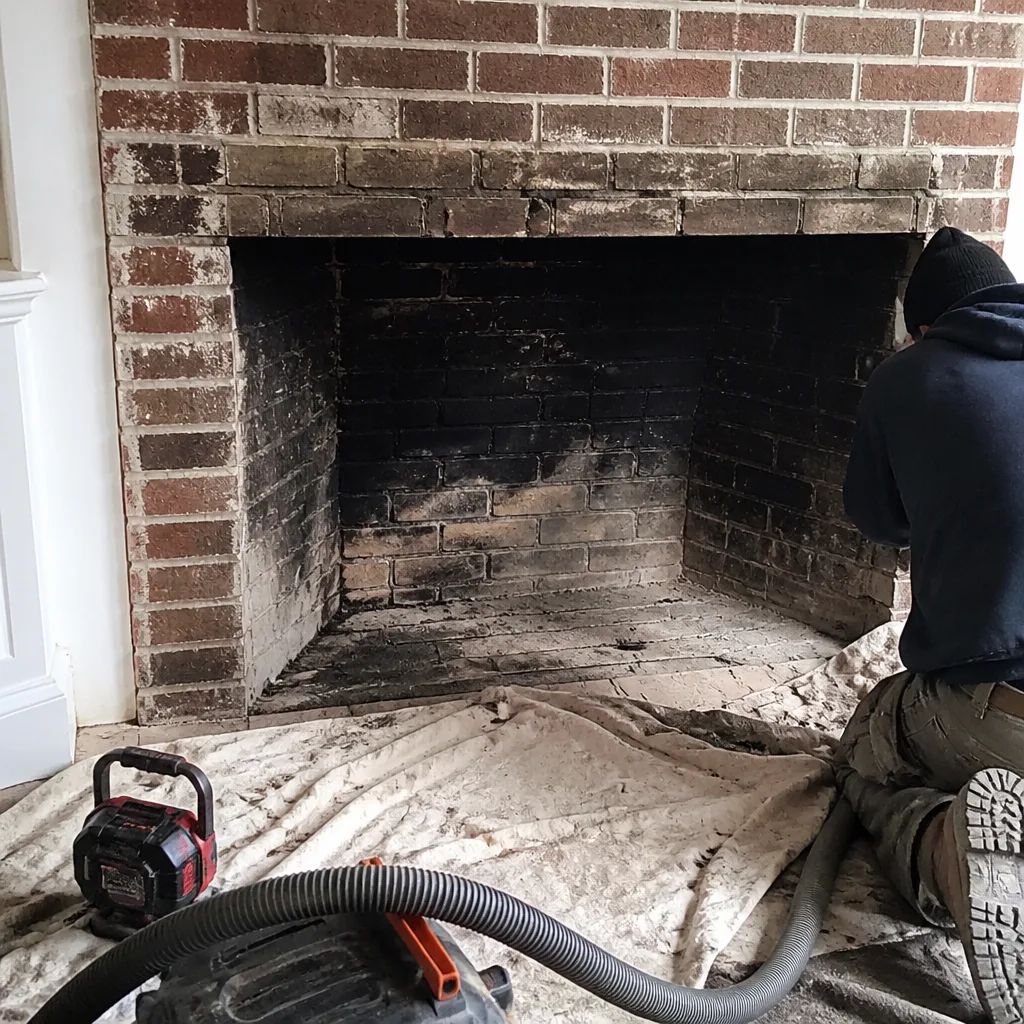
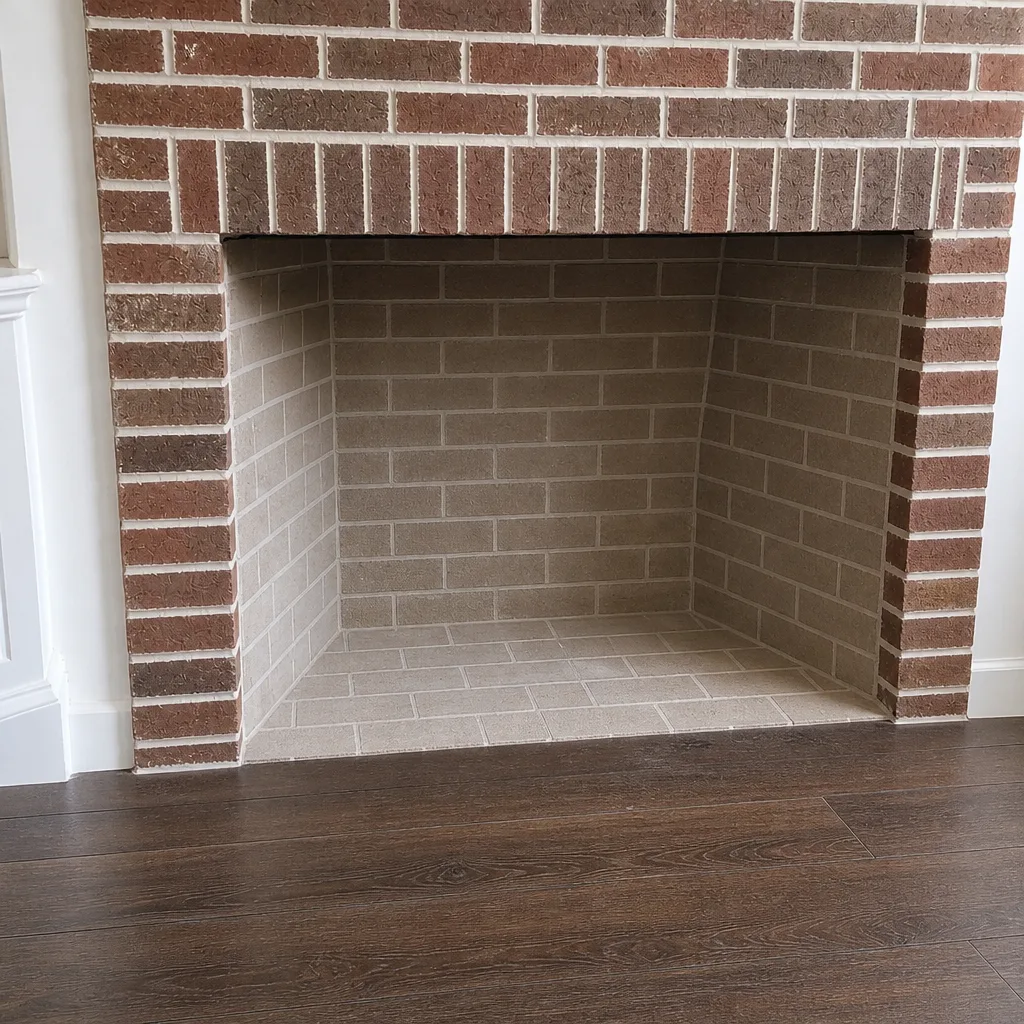
See the difference
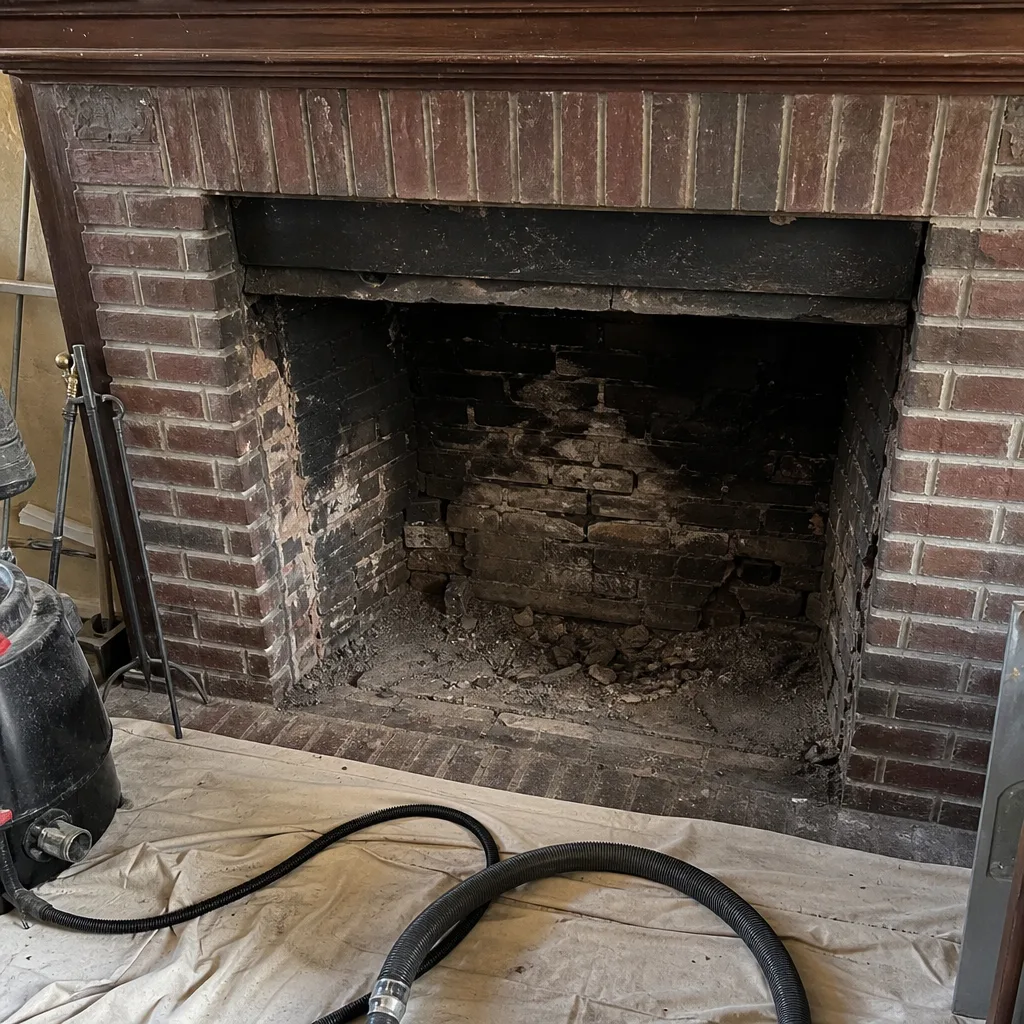 Before
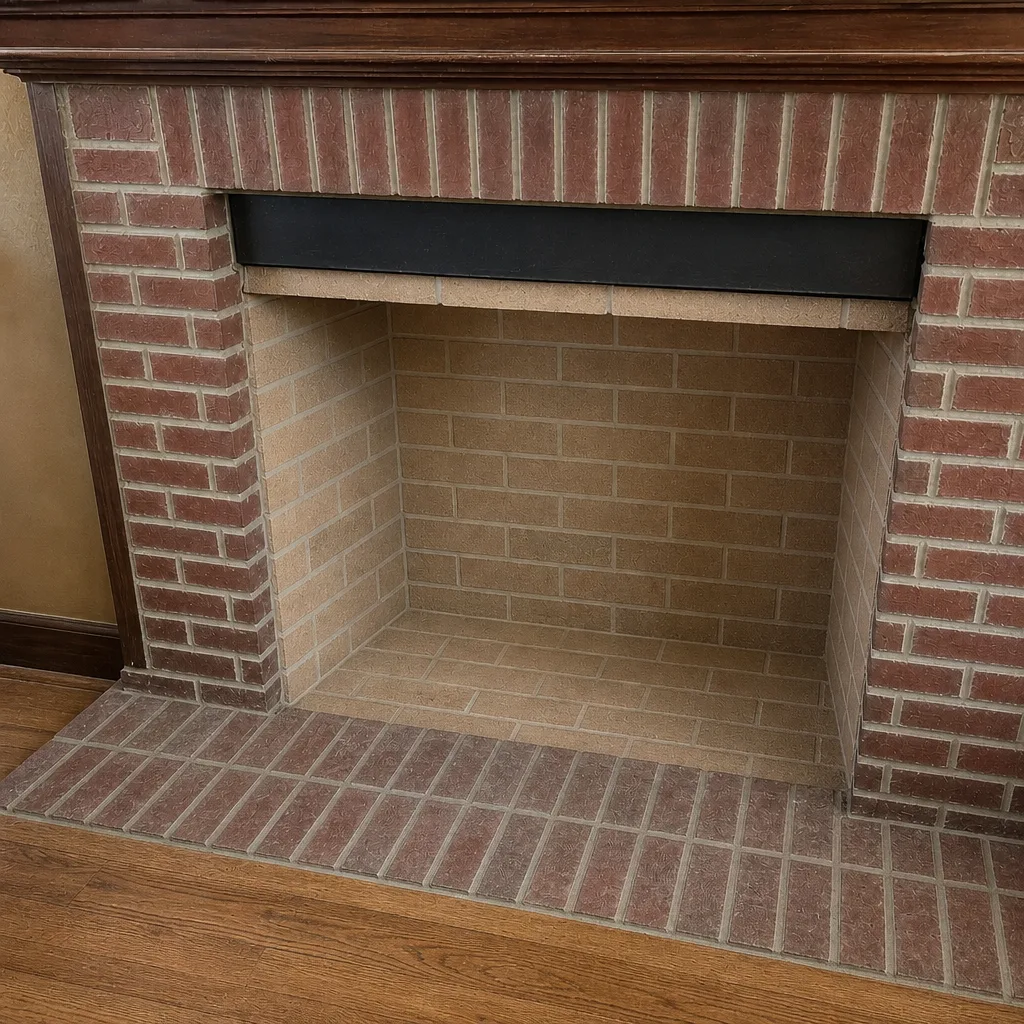 After
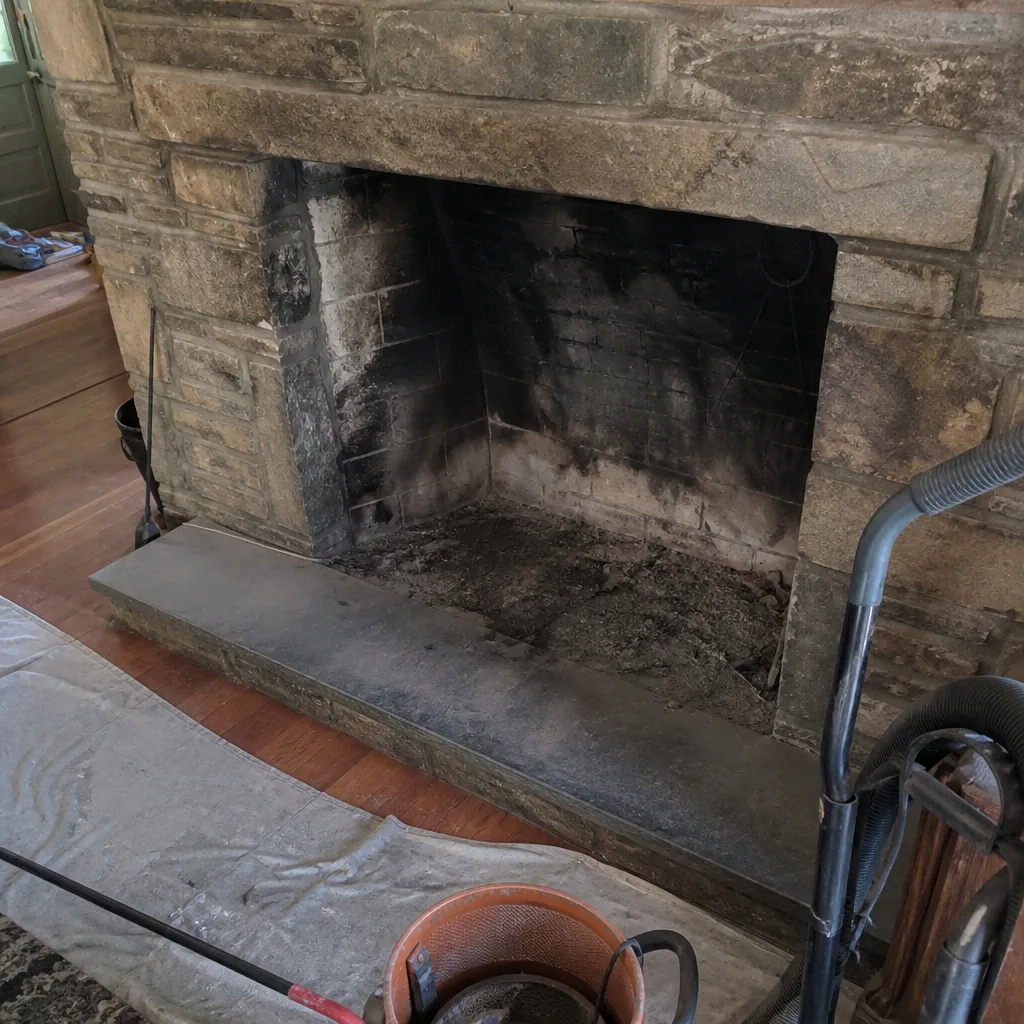 Before
 After
 Before
 After
When to Call a Professional
Call a professional if you see smoke entering the room, glazed creosote, cracked liner tiles, scorching or heat damage near the firebox, water stains that grow over time, a leaning chimney, or animal sounds from the flue. Call if you’ve moved into an older Somerton home and don’t know when the chimney was last swept. Call if the fireplace hasn’t been used in a year or more and you’re planning to start using it again. And call if you want a camera inspection and a clear, photographed report of what’s actually inside your flue. Chimney Sweep Somerton offers free estimates in Somerton. Call (855) 528-0951. We answer 24/7. Fast dispatch from 7am to 7pm, Sunday through Friday.
Frequently Asked Questions
The most common are white efflorescence and crumbling mortar on the exterior, a cracked or missing crown, heavy soot inside the flue, and brown water stains on the ceiling or wall near the chimney. Older homes in Somerton often show several of these at once because the chimney has been through many freeze-thaw winters. Call (855) 528-0951 for an inspection if you see more than one.
White staining, called efflorescence, is not dangerous by itself. It is a sign that water is moving through the masonry, and if left alone, water causes the masonry to crack and spall over time, which can eventually become a structural problem. It should be inspected and the source of the moisture addressed.
Yes, in most cases. A heavy matte layer of soot, glazed creosote, rust on the damper, or a smoky smell in summer all indicate the flue needs cleaning. What you can’t judge from looking is whether the liner is cracked behind the soot, which is why an inspection with a camera matters. Call (855) 528-0951 to book a sweep and inspection together.
Soot and creosote release a smoky odor when the air is warm, and without a fire drawing air up the flue, that smell drifts into your home. It usually means the flue has built up soot and needs a sweep. A top-sealing damper or a properly fitted cap can help, and we can advise on which is right for your chimney.
Stop using it if you see smoke entering the room, glazed creosote, cracked liner tiles, or heat damage near the firebox. For signs like efflorescence, a cracked crown, or a heavy matte soot layer, you can schedule an inspection without stopping use in most cases, but don’t wait past the next heating season. Our free estimate will tell you which one applies.
Yes. We work on the whole chimney, not just the sweep. That includes the exterior masonry, the crown and cap, the liner, and the fireplace itself. For older chimneys with deteriorated flue interiors, we can apply HeatShield to restore the flue without a full teardown, which is often a less expensive route than a rebuild. We use DuraFlex and Olympia Chimney liner systems for flexible stainless-steel relining where rigid liners don’t fit. Call (855) 528-0951 to talk through your chimney.
The Bottom Line
Chimney problems announce themselves. Efflorescence, cracked mortar, a failed crown, a missing cap, glazed creosote, water stains, and draft problems are all visible to a homeowner who knows what to look for. The point of this guide is to give you the vocabulary and the baseline, so you can recognize a change and act on it before it becomes dangerous. Not every warning sign is a stop sign, but the ones that are deserve to be treated as one. Our technicians have up to 8 years of experience reading these signs, and we work on the whole chimney, from sweep and chimney cap & crown through chimney repair and liner work, so there’s no need to find a second contractor when the diagnosis comes in. One call, one crew.
Call (855) 528-0951 for a free estimate. We answer 24/7. Fast dispatch from 7am to 7pm, Sunday through Friday. The estimate is free, and the written estimate sets the final price for the job before anything is booked.
Written by the team at Chimney Sweep Somerton.