
Last updated November 22, 2026
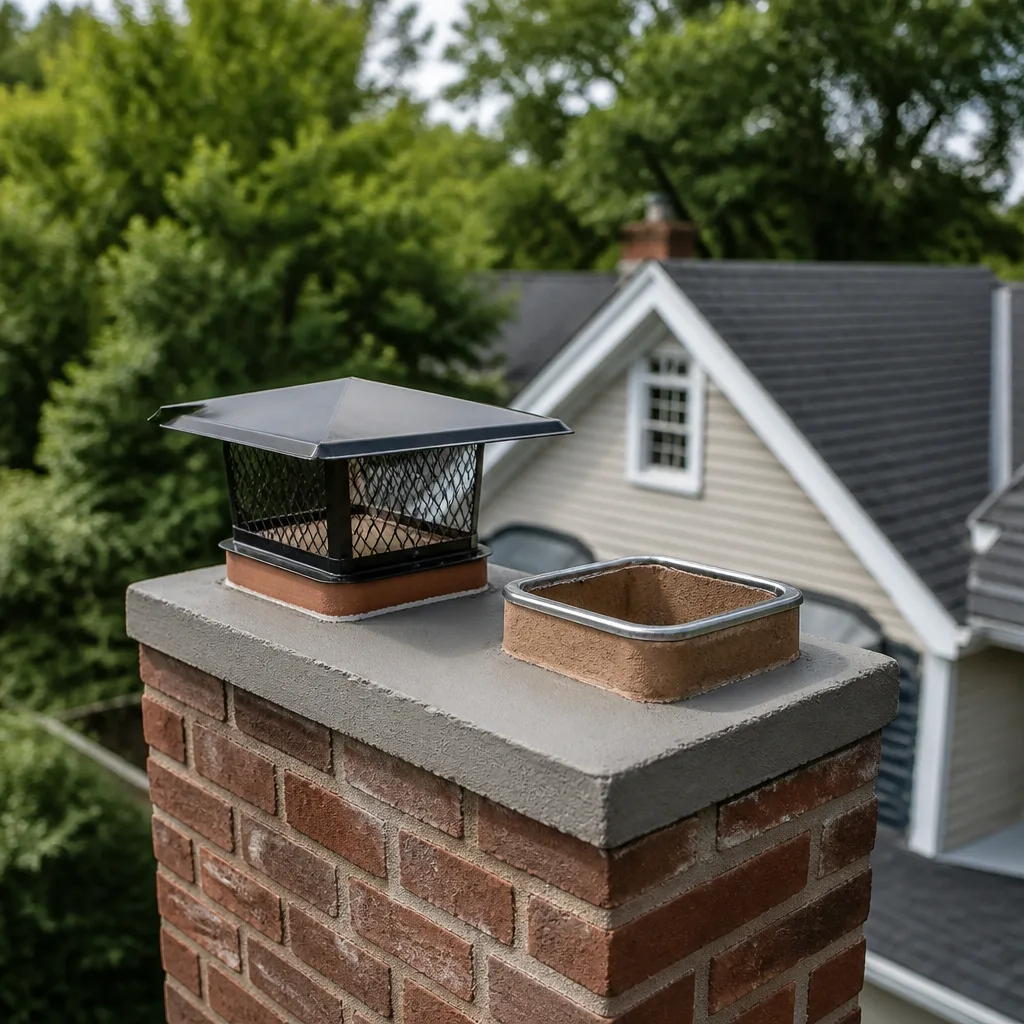 Sweep & inspection
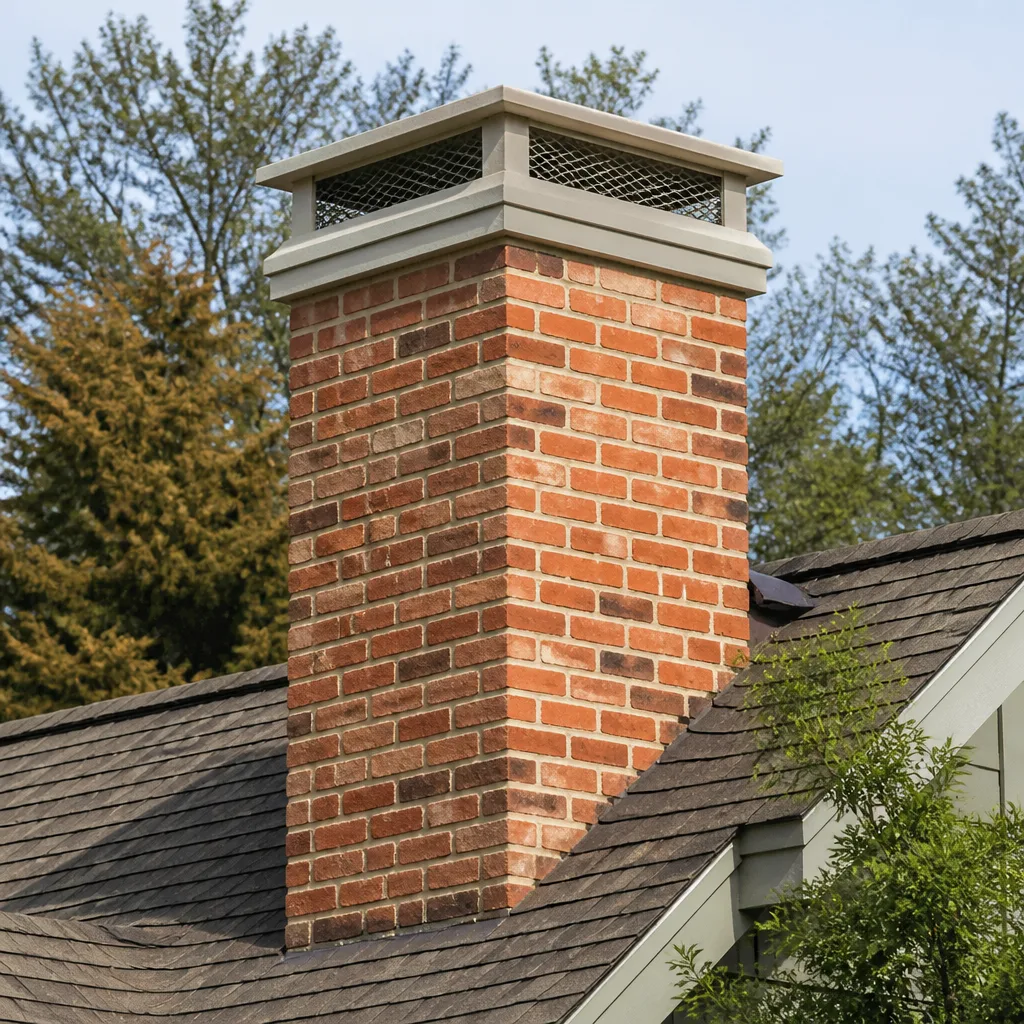 Caps & crowns
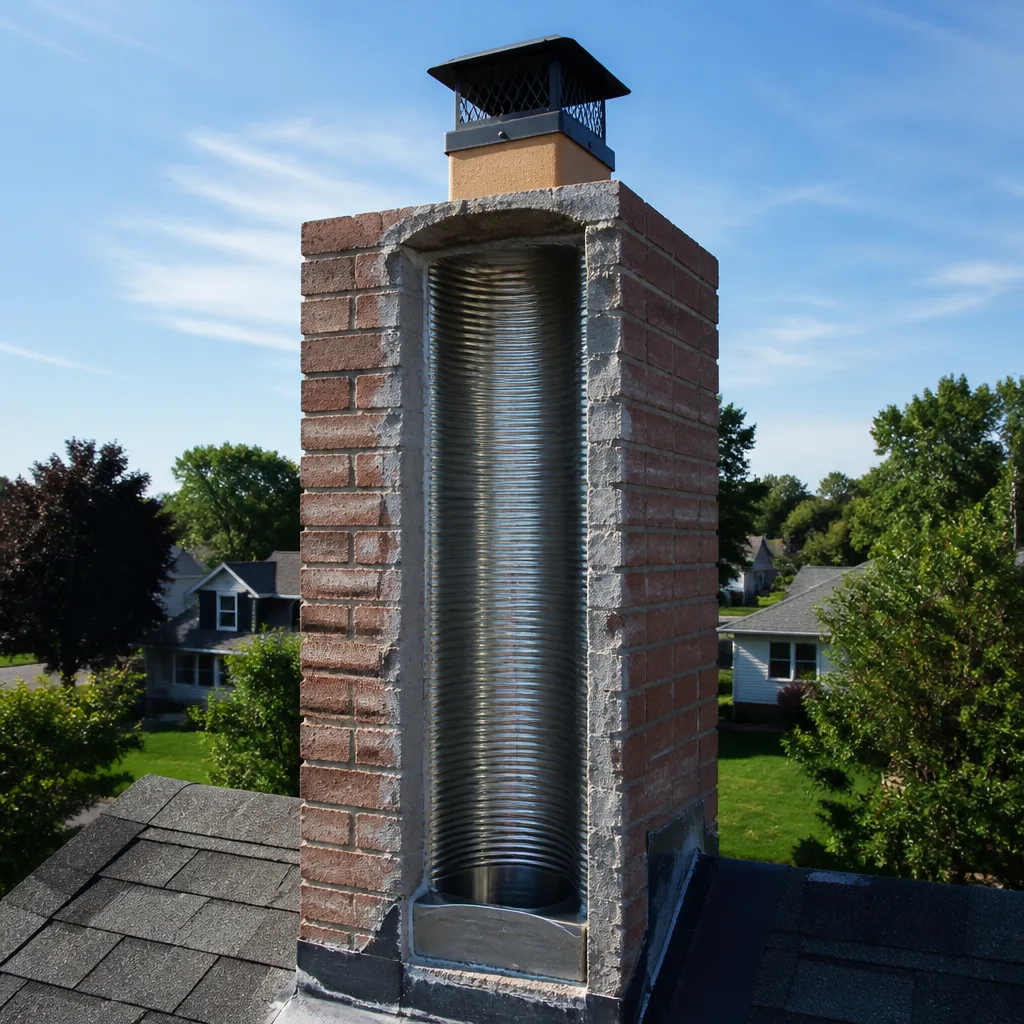 Flue relining
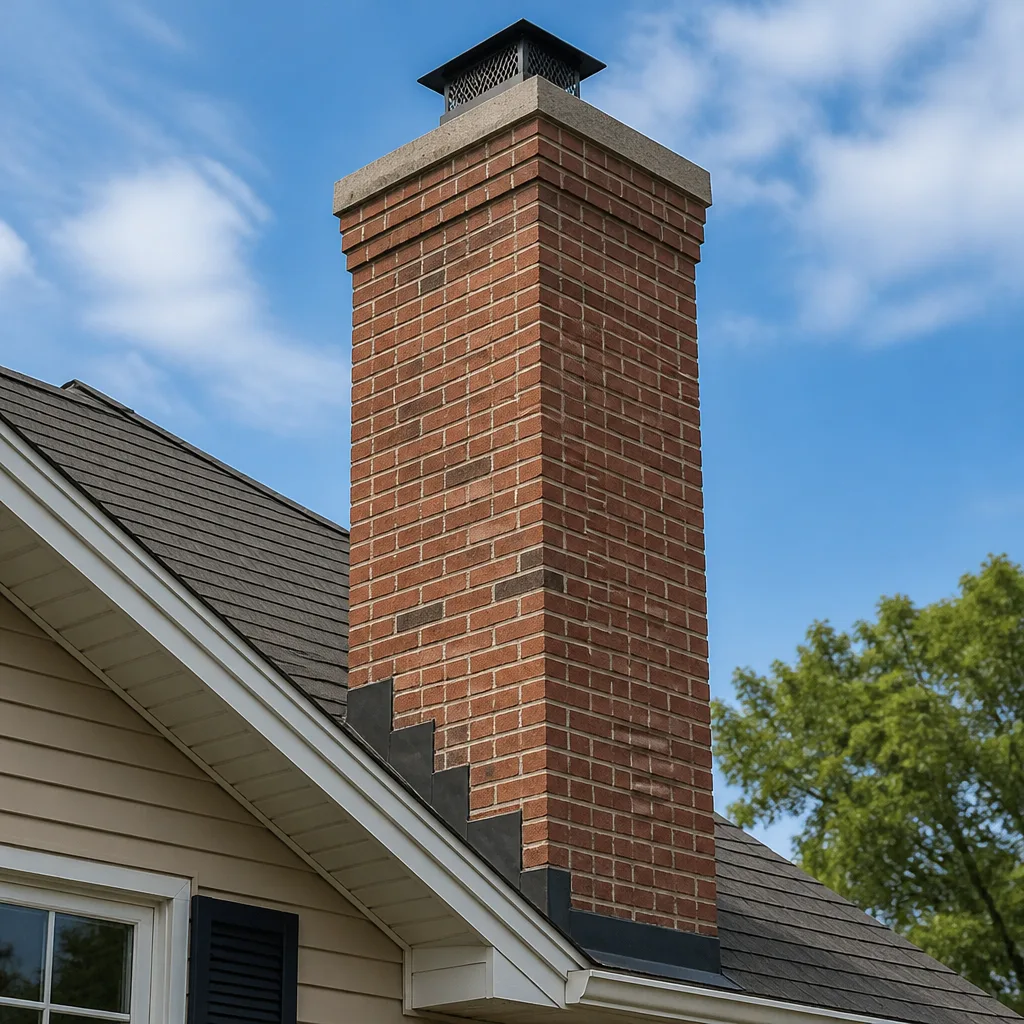 Masonry repair
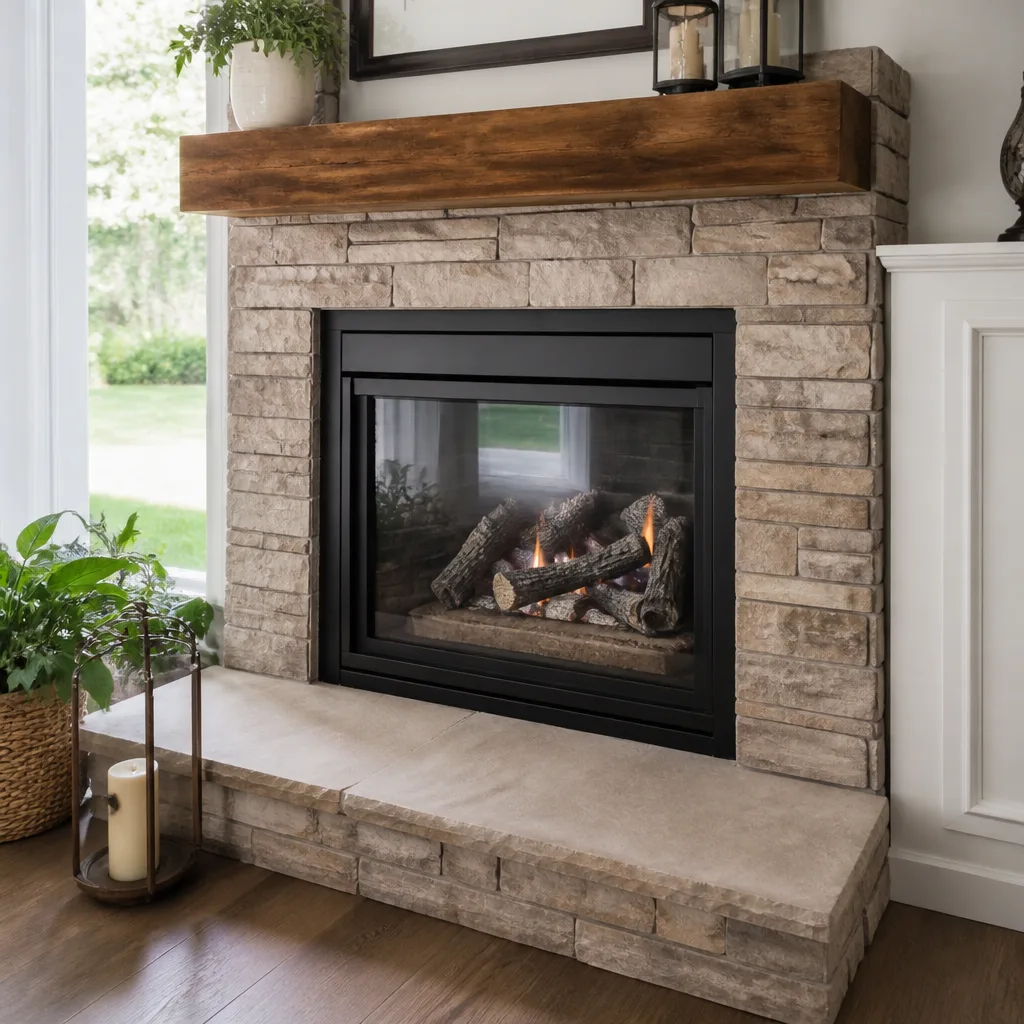 Gas fireplace service
Level 1 sweep and inspection to the NFPA 211 annual standard - flue, crown, cap, and flashing checked and photographed
Chimney sweep logs do not sweep chimneys. They loosen some creosote - which then falls where a brush and vacuum still have to collect it.
Seasonal Chimney Cleaning Care for Somerton: Year-Round Homeowner’s Guide
October is the worst month to book a chimney sweep in Somerton. Every homeowner with a fireplace has the same idea at the same time, schedules fill up, and if the inspection turns up a cracked crown or a failing liner, you’re trying to arrange repairs in November when everyone else is too. The advice to “get it swept in fall” isn’t wrong, it’s just incomplete. Your chimney reacts to four different seasons, and each one exposes something the others hide. This guide walks through what spring, summer, fall and winter each reveal about your flue, when to book non-urgent work, and which weather events should push you to call before your scheduled sweep.
Quick Answer
The best time to book chimney cleaning in Somerton is late spring, ideally March or April, because a post-winter sweep shows freeze-thaw damage, water intrusion and creosote buildup all at once while repair crews still have open slots. Fall sweeps are still worthwhile before burning season, but they’re the busiest months and leave little room to schedule anything the inspection turns up. Treat chimney care as four seasonal checkpoints rather than one annual event and you’ll catch problems earlier, at better availability.
Styles & brands we work with
- Sweep & inspection
- Caps & crowns
- Flue relining
- Masonry repair
- Gas fireplace service
Table of Contents
- Why Fall Is the Busiest (and Worst) Time to Book
- What Each Season Reveals About Your Chimney
- Why a Post-Winter Sweep Beats a Pre-Season Sweep
- Using Summer for Non-Urgent Repairs
- Weather Events That Should Trigger an Inspection
- Month-by-Month Reference Card
- How Often Should a Chimney Be Swept?
- Common Mistakes to Avoid
Why Fall Is the Busiest (and Worst) Time to Book
Fall is when most Somerton homeowners think about their chimney, and that’s exactly the problem. The demand spike in September and October means longer waits for a sweep and much longer waits if the sweep turns up something that needs fixing. A booking made in late September might land in mid-October. If that inspection finds a deteriorated crown or a liner that needs relining, you’re now scheduling repair work into November, right when the first cold snaps hit and everyone else is calling with the same problem.
There’s a second issue with fall-only care. A September sweep happens before the heating season, so it can only tell you what last winter left behind. It can’t tell you what this winter will do. Freeze-thaw cycles, ice dams at the crown, and animals looking for warmth all happen after the sweep. By the time you notice a problem, you’ve often burned through a season with it.
In our experience, the homeowners who avoid November emergencies are the ones who book in spring and use the summer to handle anything non-urgent. That rhythm gives you a full picture in March or April, a quiet window to schedule repairs, and a clean flue ready for October without competing for a slot.
If you’re already into fall and haven’t booked, book anyway. A late sweep is still better than no sweep, and our chimney sweep scheduling is built around inspection first so you know exactly what you’re dealing with before the burning season starts.
What Each Season Reveals About Your Chimney
Your chimney is a system, and each season stresses a different part of it. Here’s what we look for when we inspect in each season, and why the timing matters.
Spring: Water Intrusion and Freeze-Thaw Damage
Spring is the season for water damage. Winter’s freeze-thaw cycles open hairline cracks in mortar and crowns, and the spring thaw pushes moisture into places it shouldn’t be. We look for efflorescence (the white staining that means water is moving through masonry), soft mortar joints, spalling brick faces, and rust stains on the firebox that point to a leaking crown or cap.
This is also when a failing chimney cap & crown shows itself most clearly. A crown that’s cracked or pulling away from the flue lets water straight into the chimney structure. By the time you see a stain on the ceiling below, the damage has usually been building for a while.
Summer: Animal Entry and Nesting
Summer is when birds, squirrels and raccoons look for a warm, dry place to nest, and an uncapped flue is an open door. We find nests, droppings, and debris blocking the flue throughout the warmer months. A blocked flue in summer isn’t a fire risk yet, but it will be the moment you light a fire in fall.
Summer is also the season for the least urgent work. If spring’s inspection found a crown that needs repair or a cap that needs replacing, booking in June or July means better availability and no scramble before the first cold snap. A proper cap from a purpose-built line like Gelco or Famco keeps animals and rain out year-round, which is why we install them on the same visit whenever we can.
Fall: Creosote Buildup
Fall is creosote season. Every fire you burn deposits a layer of creosote on the flue walls, and the layer thickens the more you burn. Glazed, third-degree creosote is the fire hazard that chimney sweeps talk about most, and it develops over a season of burning. A fall sweep clears last winter’s buildup before you start adding to it.
What fall can’t show you is what this winter will do. That’s why we often recommend a spring follow-up: fall gets you clean, spring tells you what the season did to the structure.
Winter: Draft Problems and Smoke Backup
Winter is when draft problems show. A cold chimney that won’t pull, smoke rolling into the room, or a fire that struggles to catch all point to a flue that’s blocked, undersized, or leaking air somewhere it shouldn’t. These are the calls we take most often in January and February, and they’re usually the result of something that was already there in fall.
Winter is also when you should be paying attention to carbon monoxide. A blocked or damaged flue can let CO back into the home, and that’s a safety issue, not a comfort issue. If your CO detector goes off, get everyone out and call the fire department first, then call us to inspect the flue.
Why a Post-Winter Sweep Beats a Pre-Season Sweep
A March or April sweep gives you something a September sweep can’t: a complete picture of what a full winter did to your chimney. Freeze-thaw damage happens in winter. Ice dams form at the crown in winter. Animals move in during winter. A pre-season sweep in fall sees the accumulated result of those months, but it sees it before the next winter adds another layer of stress.
Here’s the sequence we recommend for a Somerton home:
- Book the spring sweep for March or April. After the last fire of the season, once the chimney has had a few weeks to dry out.
- Get a camera inspection with the sweep. A visual inspection from the top and bottom tells you part of the story; a camera tells you the rest, especially in an offset flue.
- Review the findings with photos. You should see what we see. Any recommendation for repair or relining should come with a clear photo or video of the issue.
- Schedule non-urgent repairs for summer. Cracks in the crown, a missing cap, a mortar joint that needs repointing: these are the jobs that fit comfortably into a June or July slot.
- Book a fall sweep before October if you burn heavily. If you burn more than a cord of wood a season, a second sweep in September or early October keeps the flue clear for the next winter.
That schedule front-loads the diagnostic work into spring, spreads the repair work across summer, and leaves fall for a clean-out rather than a discovery. It also means that if the spring inspection finds something serious, you have months to plan the repair rather than weeks.
For homeowners who’ve deferred maintenance, the spring sweep is also the moment to get a straight answer on the state of the liner. If the flue interior is deteriorating, we can assess whether a HeatShield resurfacing or a DuraFlex stainless liner is the right fix, and we can explain the difference in plain terms.
Using Summer for Non-Urgent Repairs
Summer is the quiet season for chimney work, and that’s exactly why it’s the best time to schedule anything that isn’t urgent. Repair crews are less booked, inspections can be more thorough, and there’s no pressure to finish before the first freeze. The work itself doesn’t change with the season, but the scheduling does.
What counts as non-urgent and fits well into summer:
- Crown repair or replacement where the damage is cosmetic or minor
- Cap installation on an uncapped flue
- Repointing mortar joints that have cracked but aren’t yet causing water intrusion
- Firebox repair where the firebrick is worn but the flue is intact
- Liner assessment and planning, so the actual install can happen on your schedule
What doesn’t wait:
- A flue that’s actively leaking water into the home
- A CO detector that has gone off
- Visible smoke backup into the room when you light a fire
- A chimney fire (call the fire department first)
In summer, we can also take the time to explain options that a rushed fall visit doesn’t allow. If the flue interior has spalled and the liner is compromised, a HeatShield application can often restore it without a full teardown, which is a meaningful cost difference compared to a rebuild. If the flue is offset or complex, a DuraFlex liner handles the geometry that a rigid liner can’t. Those conversations are easier to have in July than in the last week of October.
We also see more homeowners using summer to get a second opinion on a vague warning from a home inspector. If you’ve been told the chimney “needs work” but nobody showed you why, a summer inspection with photos gives you a clear answer, and you have time to think about it.
Weather Events That Should Trigger an Inspection
Some events in Somerton should push you to call for an inspection ahead of your scheduled sweep. These are the ones we see most often, and each one has a specific reason to check.
Heavy Ice Storms
Ice storms load the chimney with weight it wasn’t designed to carry. Ice can crack a crown, split a cap, or pull flashing away from the roof. After a significant ice storm, have the crown and cap checked even if you don’t see obvious damage. The crack that lets water in next spring often starts in an ice storm this winter.
Sustained High Winds
High winds can lift a cap, loosen a top-sealing damper, or drop debris into the flue. They also stress the mortar at the top of the stack, which is the part most exposed to weather. If a wind event has knocked something loose on your roof, have the chimney checked at the same time. It’s cheaper than a separate visit.
Chimney Fires
A chimney fire, even a small one you think you put out, needs a professional inspection before you burn again. The heat from a chimney fire can crack the flue tiles, distort a metal liner, or damage the mortar joints in ways you can’t see from the firebox. Don’t assume it’s fine because the fire went out. Get it inspected.
Nearby Lightning Strikes or Structural Shifts
If a strike or a nearby structural event has shifted anything on your roof, have the chimney checked as part of the inspection. A chimney that’s pulled away from the house even slightly is a draft and safety problem.
For any of these, call (855) 528-0951. We answer 24/7. Fast dispatch from 7am to 7pm, Sunday through Friday.
Month-by-Month Reference Card
Here’s the year in one place. Use this as a quick reference for what to check, what to book, and what to leave alone in each month.
| Month | What to Check | What to Book | What to Leave Alone |
|---|---|---|---|
| January | Draft performance, smoke backup, CO detector function | Emergency inspection if draft fails or CO alarms | Non-urgent repairs; wait for spring |
| February | Same as January; watch for ice at the crown | Emergency inspection only | Cosmetic crown work; wait for summer |
| March | Post-winter condition; water staining; cap and crown | Spring sweep and full camera inspection | Firebox cosmetics; handle after inspection |
| April | Freeze-thaw cracks; mortar joints; flashing | Spring sweep if not done in March | Animal exclusion; schedule for May |
| May | Nesting activity; cap integrity | Cap install, animal exclusion, minor crown repair | Liner planning if no issue found |
| June | Water intrusion from spring rains | Crown replacement, repointing, cap replacement | Non-urgent liner work only if inspection is clean |
| July | Same as June; check for pest activity | Liner install or HeatShield resurfacing | Fall sweep; book in August |
| August | Draft test before burning season | Book fall sweep now if you burn heavily | Minor repairs; evaluate urgency case by case |
| September | Creosote buildup from last season | Fall sweep (book early) | Major rebuild; plan for spring |
| October | Same as September; expect delays | Fall sweep if slots remain | Anything that can wait for spring |
| November | First fires; watch draft and smoke | Inspection if draft fails | Non-urgent work; wait for spring |
| December | Peak burning season; CO detector checks | Emergency inspection only | All non-urgent work; wait for March |
For Somerton homeowners who want a simpler rule of thumb: book in spring for the full picture, use summer for the repairs, book fall if you burn heavily, and treat winter as the season to pay attention rather than the season to schedule. If you’ve moved into a home in Somerton with an unknown chimney history, book the spring sweep first and let the inspection guide the rest.
How Often Should a Chimney Be Swept?
Sweep your chimney at least once a year if you burn wood regularly, and more often if you burn heavily or burn green wood. That’s the baseline most chimney professionals use, and it’s a good starting point for a Somerton home with a wood-burning fireplace. Homes that burn occasionally can stretch to every other year, but only after an inspection confirms the flue is clear.
The frequency question depends on a few things:
- How much you burn. A home that burns a cord or more per season needs a sweep every year, sometimes twice.
- What you burn. Seasoned hardwood produces less creosote than green or soft wood. If you’re not sure your wood is seasoned, sweep annually.
- How the fireplace is used. A wood stove or insert that runs hot and long produces more creosote than an occasional fire in an open fireplace.
- The state of the flue. A flue with rough interior surfaces or cracked tiles catches creosote faster than a smooth, intact one.
If you’re not sure where your home falls, book an inspection first. A camera inspection will tell you how much creosote is in the flue and whether the liner is intact. From there we can recommend an interval that fits how you actually use the fireplace, rather than a generic once-a-year rule.
For gas fireplaces, the schedule is different. A gas fireplace doesn’t produce creosote, but it does produce condensation and it can attract animals if the vent is uncapped. An annual inspection is still worth doing to make sure the vent is clear and the cap is intact. Our chimney repair work covers the fireplace side as well, so a single visit handles both.
Common Mistakes to Avoid
- Booking only in October. Fall is the busiest month and the worst time to schedule a repair that the inspection turns up. Book spring for the diagnostic sweep and keep fall for a clean-out.
- Skipping the camera inspection. A visual sweep from the top and bottom misses problems inside the flue, especially on offset chimneys. Ask for a camera inspection with photos you can see.
- Ignoring the cap. An uncapped flue lets in rain, animals and debris all year. A cap from a purpose-engineered line like Gelco or Famco costs far less than the water damage it prevents.
- Assuming a swept chimney is a healthy chimney. A sweep clears creosote but doesn’t fix a cracked crown or a failing liner. Sweeping and repair are different jobs, and both matter.
- Burning green or unseasoned wood. Wet wood produces more creosote per fire, which shortens the interval between sweeps and increases the fire risk in a Somerton flue that’s already carrying last season’s buildup.
- Treating a home inspector’s vague warning as a diagnosis. If you’ve been told the chimney “needs work” but nobody showed you why, get a camera inspection with photos before agreeing to anything. Anything worth recommending is worth showing you.
- Assuming a chimney fire that went out is fine. Heat from a chimney fire can crack flue tiles and distort liners in ways you can’t see from the firebox. Get it inspected before you burn again.
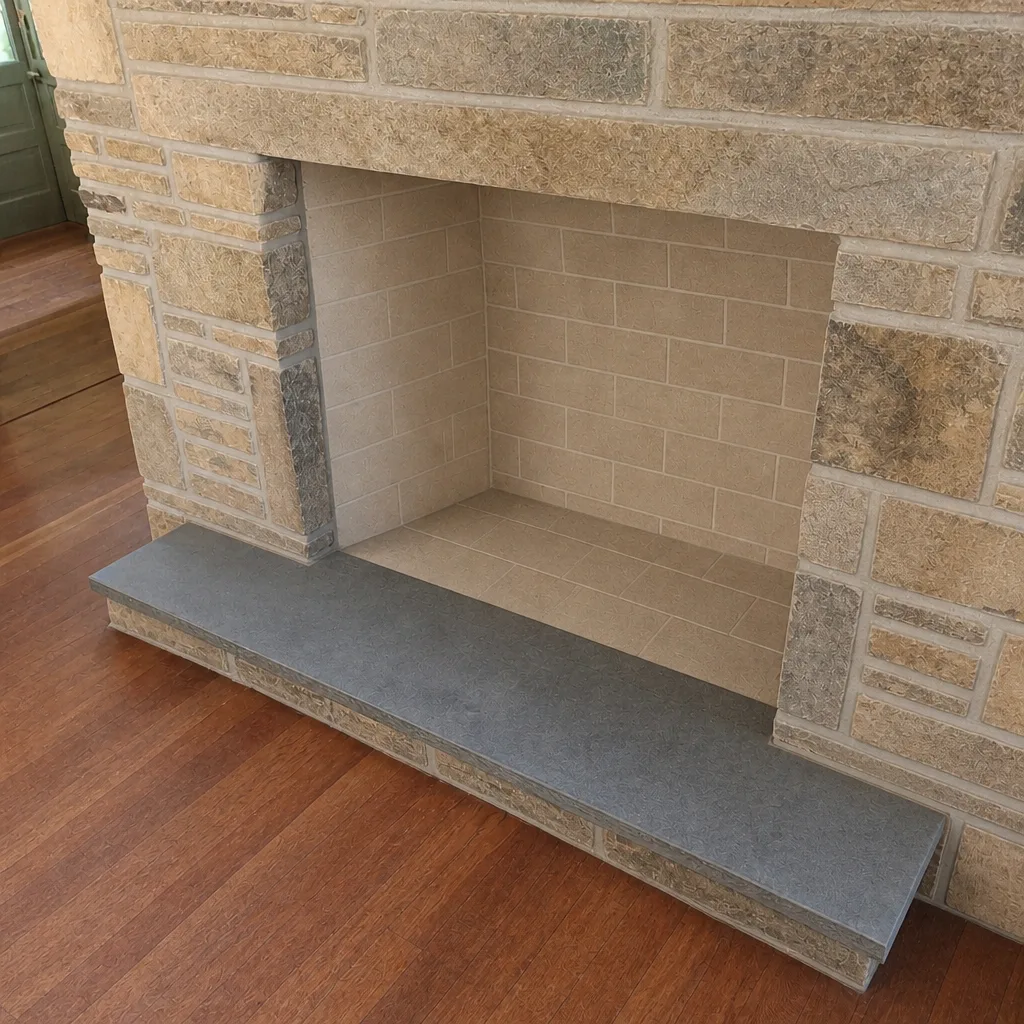
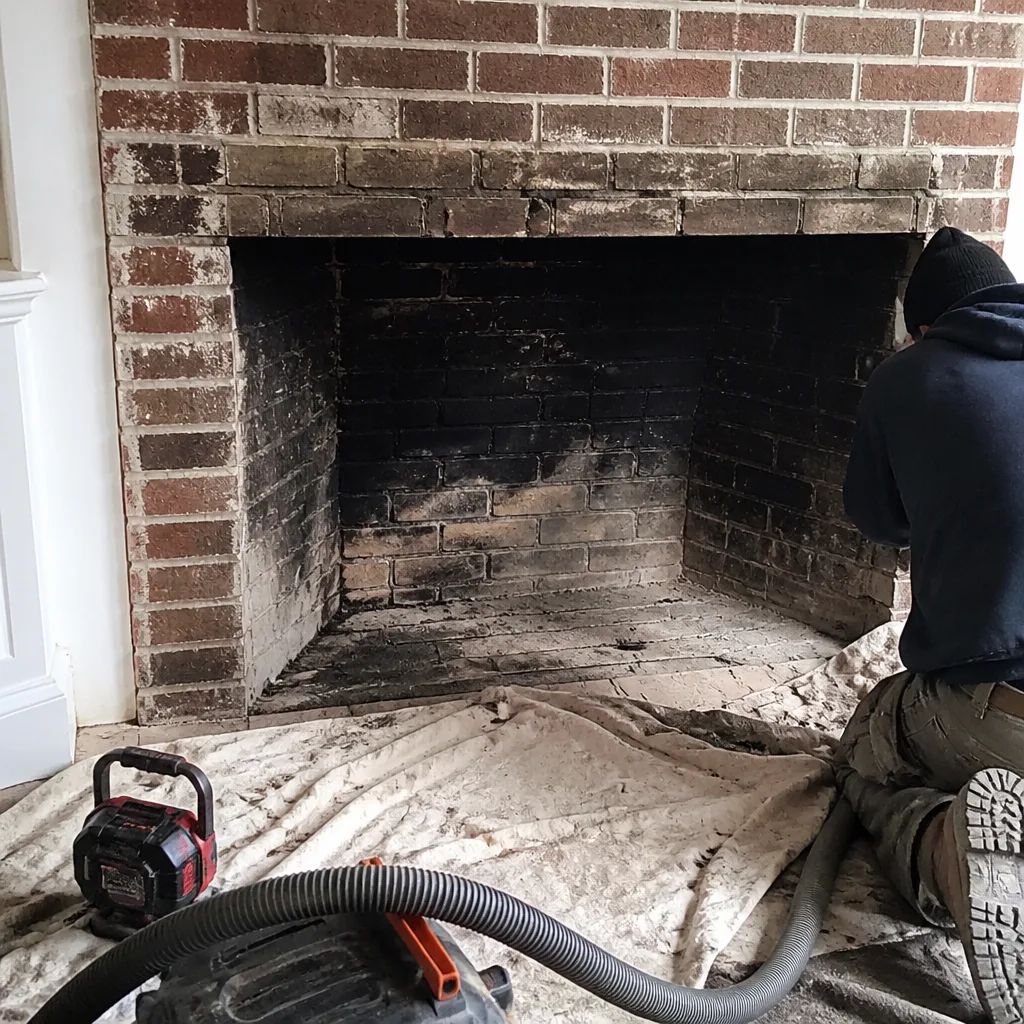
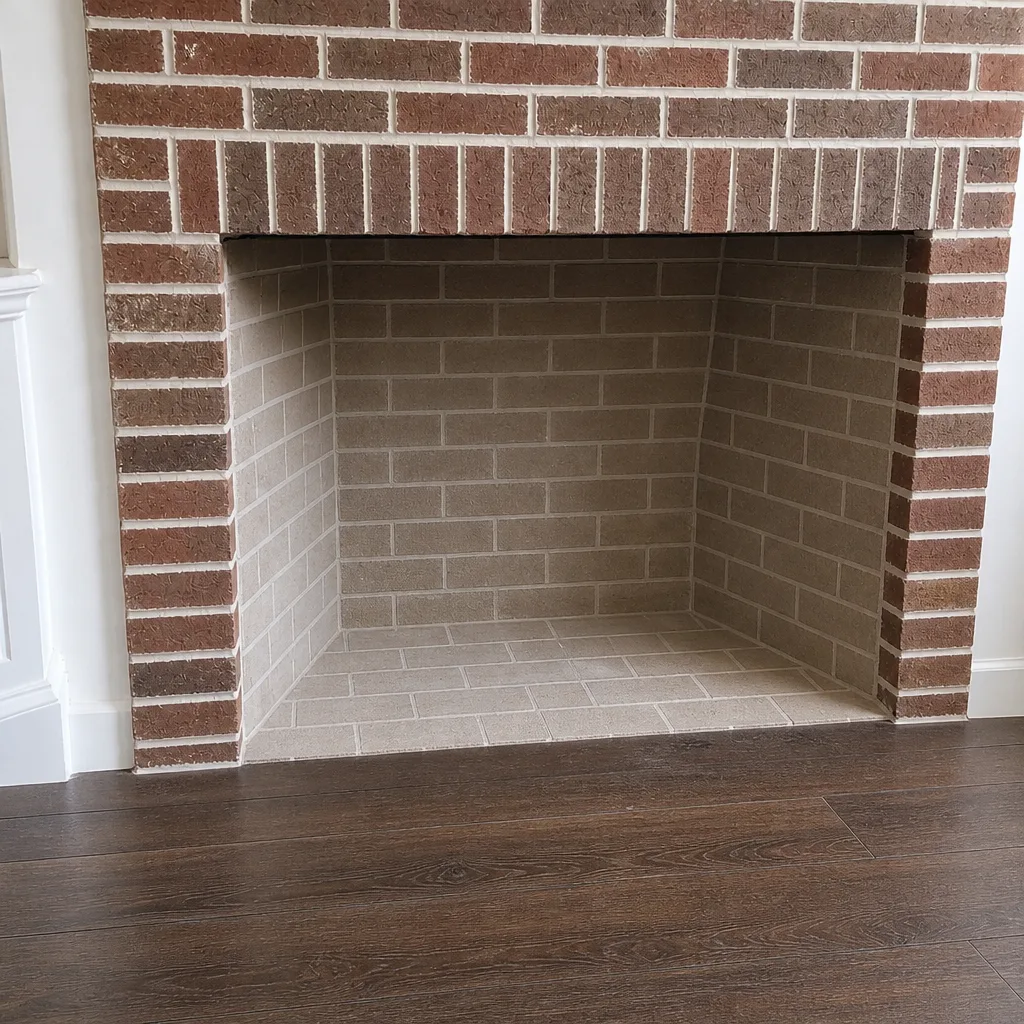
See the difference
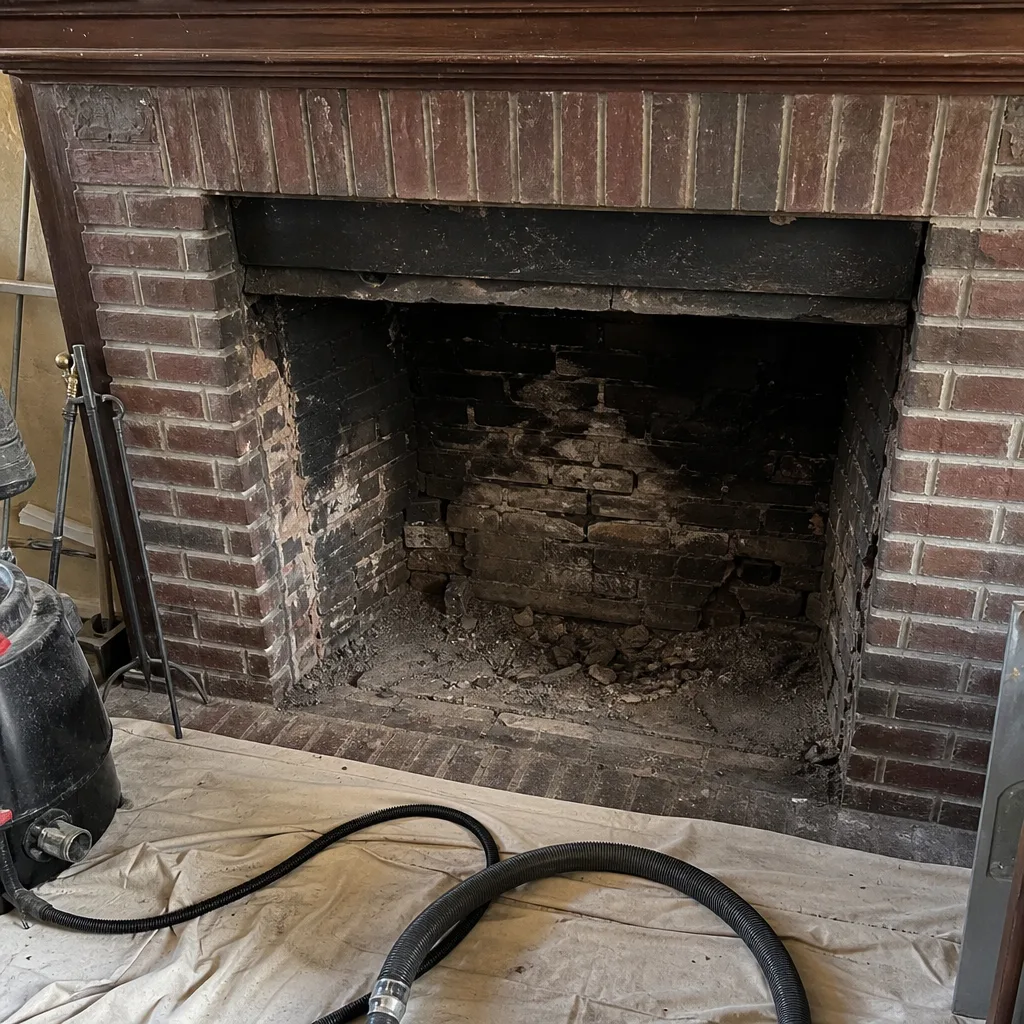 Before
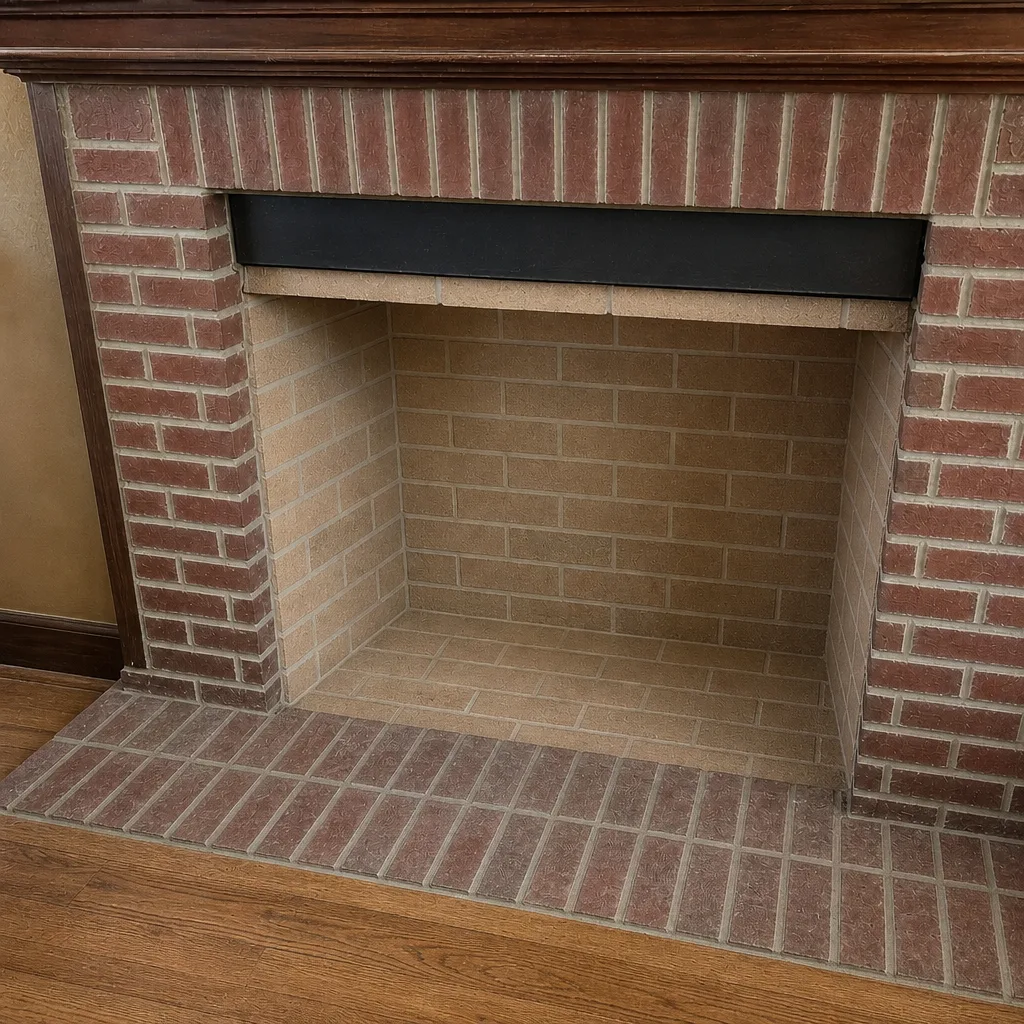 After
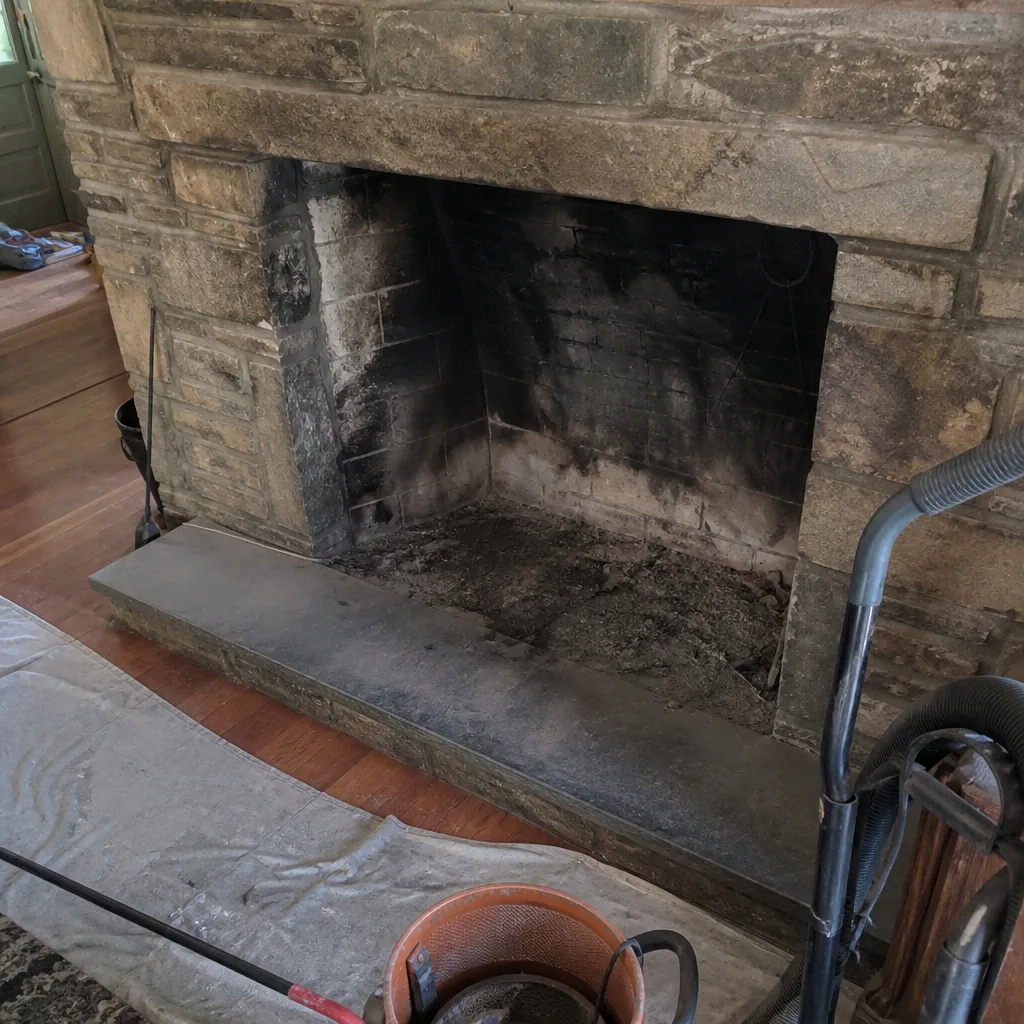 Before
 After
 Before
 After
When to Call a Professional
Call a professional for anything involving the flue interior, the crown, the cap, or the structural integrity of the chimney. That includes a sweep, a camera inspection, a crown crack, a missing or damaged cap, a liner that needs assessing or replacing, a firebox that needs repair, and any chimney that has had a fire. These are the parts of the system that fail in ways you can’t see from the living room, and the consequences of a missed problem are high.
Also call if your CO detector has gone off, if smoke backs up into the room when you light a fire, or if you’ve had a chimney fire. Those are safety calls, not maintenance calls, and they don’t wait for a convenient booking slot.
For a routine sweep or a seasonal inspection, book ahead. A spring booking in Somerton gets you better availability and a more complete picture of what winter did to your chimney. Chimney Sweep Somerton offers free estimates in Somerton. Call (855) 528-0951. We answer 24/7. Fast dispatch from 7am to 7pm, Sunday through Friday.
Frequently Asked Questions
Late spring, ideally March or April, is the best time to book a chimney cleaning in Somerton. A post-winter sweep shows freeze-thaw damage, water intrusion and creosote buildup in one visit, and repair crews have open slots if the inspection turns up something that needs fixing. Fall sweeps are still worthwhile before burning season, but they’re the busiest months and leave less room to schedule follow-up work. Call (855) 528-0951 for an exact quote; estimates are free.
Chimney sweeping in Somerton is priced per job by a written estimate, and the estimate is free. The final price depends on the state of the flue, whether a camera inspection is included, and whether the sweep turns up creosote that needs a second pass. The written estimate sets the final price before any work starts, so you know what you’re agreeing to. Call (855) 528-0951 for an exact quote; estimates are free.
Not always. A liner needs replacing when the flue interior has deteriorated to the point that it can’t safely contain the fire and its byproducts, and a camera inspection with photos is the way to know. If the flue is intact, a sweep and a cap are usually enough. If it’s compromised, a HeatShield resurfacing can often restore the interior without a full teardown, and a DuraFlex liner handles offset or complex flues that rigid liners can’t. Call (855) 528-0951 for an exact quote; estimates are free.
At least once a year if you burn wood regularly, and more often if you burn heavily or burn green wood. Homes that burn occasionally can sometimes stretch to every other year, but only after an inspection confirms the flue is clear. If you’ve moved into an older home in Somerton with an unknown chimney history, book a sweep and a camera inspection first. Call (855) 528-0951 for an exact quote; estimates are free.
Skipping a sweep lets creosote build up on the flue walls, and glazed creosote is the fuel that feeds a chimney fire. It also means a cracked crown, a failing cap or a damaged liner can go unnoticed for a season, which turns a small repair into a larger one. A post-winter sweep in March or April catches those problems before they compound. Call (855) 528-0951 for an exact quote; estimates are free.
Yes, if you burn heavily. A spring sweep is diagnostic; a fall sweep is a clean-out before the next burning season. If you burn more than a cord of wood a season, book both. If you burn only occasionally, the spring sweep plus a visual check in fall is usually enough. Call (855) 528-0951 for an exact quote; estimates are free.
The Bottom Line
Chimney care is a year-round rhythm, not a single October appointment. Spring reveals what winter did to your crown, cap and crown and flue; summer is when non-urgent repairs are easiest to schedule; fall is for clearing last season’s creosote; winter is when draft problems and CO risk show up. The best time to book a chimney cleaning in Somerton is March or April, when a post-winter sweep gives you the fullest picture and the most room to act on it. Book the spring sweep, ask for a camera inspection with photos, use summer for anything that isn’t urgent, and treat ice storms, high winds and chimney fires as triggers for an unscheduled check.
One call handles the whole system. We handle sweeping, cap and crown work, chimney repair, liner installs and full rebuilds, and fireplace repair, using professional-grade materials from brands like DuraFlex, HeatShield, Olympia Chimney and Gelco. You don’t need a second contractor for the repair after the sweep, because the same specialists do both.
Call (855) 528-0951 for a free estimate. We answer 24/7. Fast dispatch from 7am to 7pm, Sunday through Friday. Visit Chimney Sweep Somerton for the full scope of what we handle across the chimney system.
Written by the team at Chimney Sweep Somerton.