
Last updated November 22, 2026
 Sweep & inspection
 Caps & crowns
 Flue relining
 Masonry repair
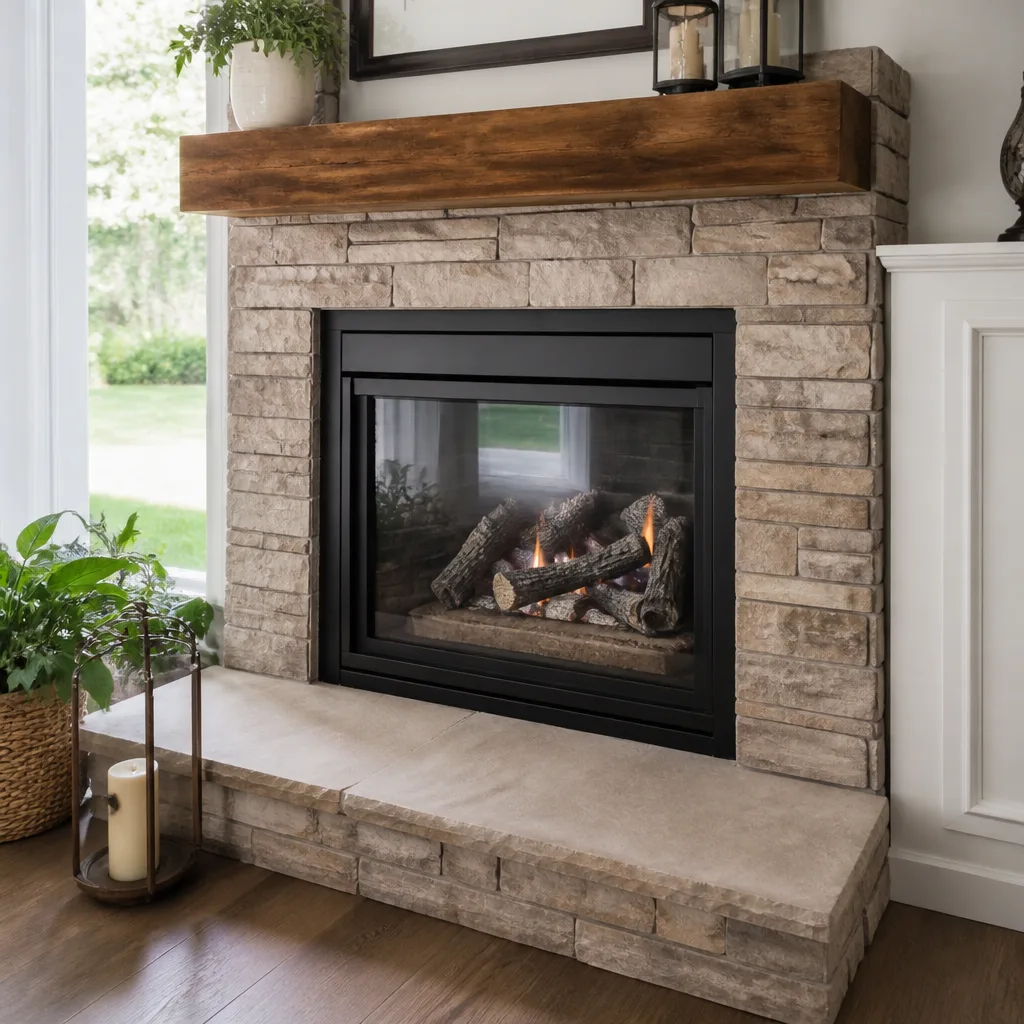 Gas fireplace service
Level 1 sweep and inspection to the NFPA 211 annual standard - flue, crown, cap, and flashing checked and photographed
Chimney sweep logs do not sweep chimneys. They loosen some creosote - which then falls where a brush and vacuum still have to collect it.
Chimney Cleaning Emergency Preparedness Guide for Somerton Homes
A chimney fire doesn’t always announce itself the way people expect. It rarely sounds like an explosion. More often it’s a low rumble that could pass for wind in the flue, a pop or two, and a smell you can’t quite place. By the time it registers as an emergency, it has already been burning for a couple of minutes, and the difference between a scary story and a real loss comes down to what you knew before that moment. This guide is about that knowledge: the three kinds of chimney fire, the preparedness steps fire marshals and insurers actually recommend, and which Somerton homes carry the highest risk. You’ll learn what to check, what to document, and when a chimney simply cannot be used.
Quick Answer
Chimney emergency preparedness for Somerton homes comes down to three things: recognizing the different signs of a chimney fire (explosive, slow-burning, and smoldering behave very differently), having working carbon monoxide alarms placed near your chimney and sleeping areas, and knowing that any chimney involved in a fire needs a Level 2 inspection before it’s used again, even if it looks fine. Prevention through regular sweeping and a proper cap is what keeps most emergencies from happening at all.
Styles & brands we work with
- Sweep & inspection
- Caps & crowns
- Flue relining
- Masonry repair
- Gas fireplace service
Table of Contents
- The Three Types of Chimney Fire and What to Do in Each
- Preparedness Measures Fire Marshals and Insurers Recommend
- Carbon Monoxide Detectors and Your Chimney System
- What to Document About Your Chimney Before an Emergency
- The Post-Fire Protocol: Why a Surviving Chimney Still Can’t Be Used
- Which Somerton Homes Are Highest Risk
- Seasonal Readiness for Somerton’s Heating Season
- When to Call a Professional
The Three Types of Chimney Fire and What to Do in Each
Not every chimney fire looks the same, and the differences matter because they shape what you do in the first sixty seconds. Fire investigators generally sort them into three categories based on how they burn and how much fuel is involved.
1. The explosive chimney fire
This is the loud, dramatic one people picture. A sudden ignition of built-up creosote produces a deep rumble, sometimes described as a freight train sound, often accompanied by shaking flue tiles and a visible plume of dark smoke or flames from the top of the chimney. These fires release a burst of heat and pressure that can crack masonry and warp metal liners.
What to do: get everyone out of the house, call the fire department, and don’t try to fight it yourself. Close the fireplace doors or damper only if you can do so safely on your way out, because cutting off the air supply can help, but never delay leaving to do it.
2. The slow-burning fire
The slow-burning fire is quieter but no less dangerous. It smolders along the flue interior, producing a low rumble and an unusual, hot smell that’s hard to identify. Homeowners sometimes mistake it for a draft problem or a smoldering log. These fires can burn for a long time, slowly damaging the flue without the visible drama of an explosive event.
What to do: treat the same as the explosive fire. Get out, call for help, and don’t assume that because you don’t see flames, you’re safe.
3. The smoldering fire
A smoldering fire is the hardest to recognize. There’s no sound, no visible smoke plume, just a persistent odor and perhaps a slight haze. These events often go completely unnoticed until a later inspection reveals damaged flue tiles or discolored metal. They’re why a chimney that “seems fine” after a strange smell still needs professional eyes.
What to do: if you notice an unusual, persistent smell or any sign of smoke where there shouldn’t be, stop using the fireplace and get the chimney inspected. Don’t wait for a more obvious symptom.
You can read more about the routine side of prevention on our chimney sweep page, which covers what a standard sweep involves and why it catches the creosote buildup that feeds these fires in the first place.
Preparedness Measures Fire Marshals and Insurers Recommend
Preparedness is not about having a plan tucked in a drawer. It’s about the physical setup of your home and the small habits that keep that setup working. Most fire marshals and property insurers converge on a short list of recommendations for any home with an active fireplace or woodstove.
- Install a chimney fire extinguisher or fire extinguisher rated for your use. Keep a multipurpose extinguisher near the fireplace, and make sure every adult in the house knows how to use it.
- Keep a fire escape plan that includes two ways out of the main rooms. Chimney fires can spread to the roof and attic, so the escape plan should assume the worst.
- Have the chimney swept before each heating season. Creosote is the fuel. Removing it regularly is the single most effective prevention measure there is.
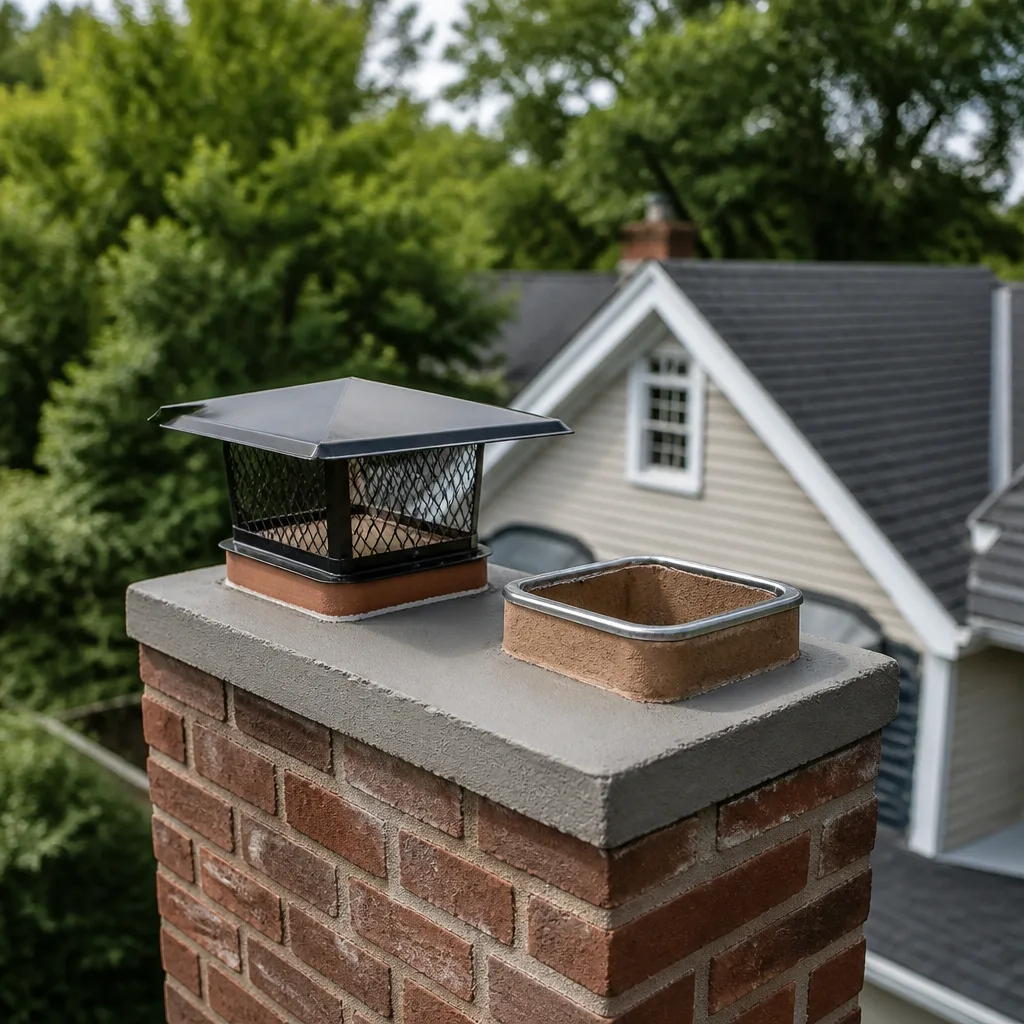
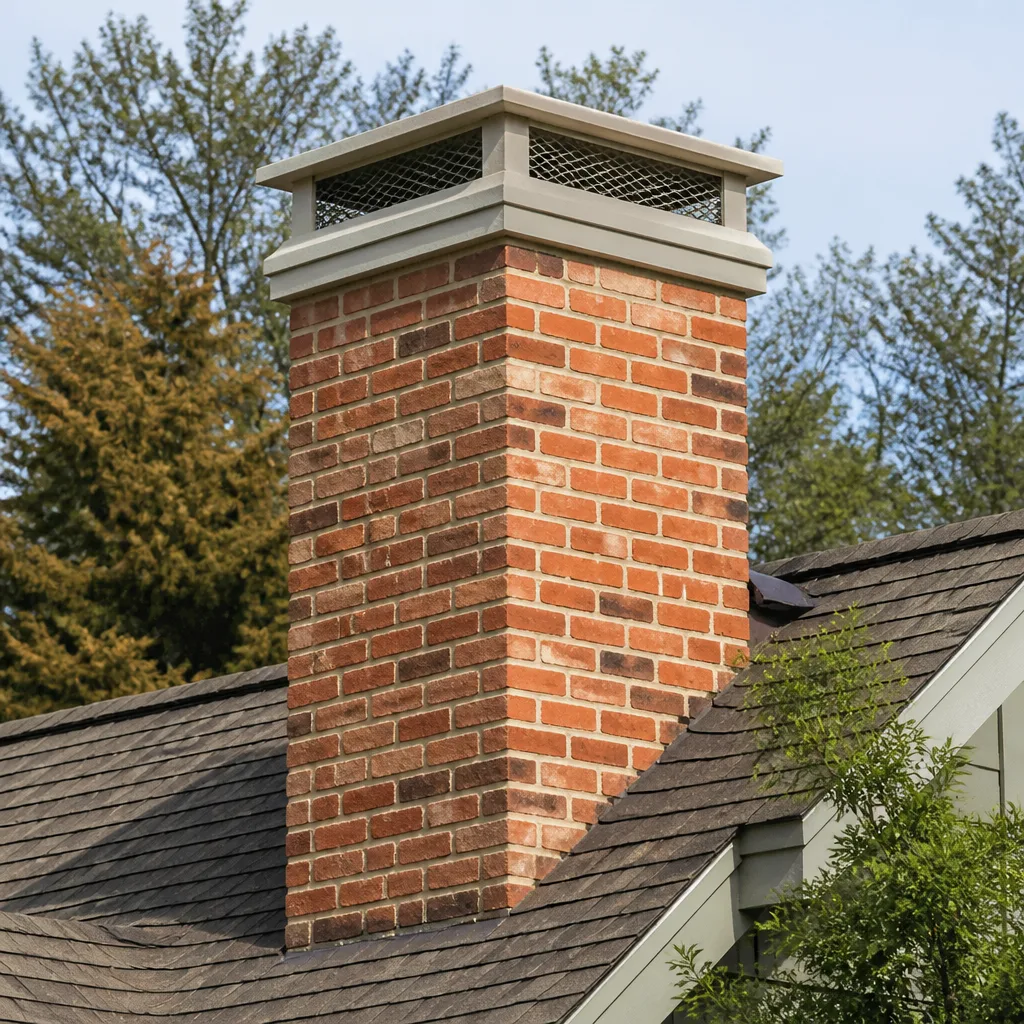
- Check that the chimney has a working cap and intact crown. Caps keep rain, birds, and debris out of the flue, and a damaged crown lets water into the chimney structure. Our chimney cap & crown page explains how these components protect the whole system.
- Confirm your smoke and carbon monoxide alarms are functioning. Test them monthly and replace batteries as the manufacturer directs.
- Know the sound and smell of your own fireplace. A baseline of normal helps you recognize abnormal immediately.
In our experience, the homes that come through a chimney fire event with the least damage are the ones where the fireplace had been swept on schedule and the flue had been inspected at least once. The systems that failed badly usually had no servicing at all.
Carbon Monoxide Detectors and Your Chimney System
Carbon monoxide is the quiet hazard that goes with any fuel-burning appliance, and the chimney is the route it travels when something goes wrong. The placement of your CO detectors matters as much as having them.
- Put one on every level of the home, including the basement if there’s a furnace or water heater there.
- Place a detector in or just outside each sleeping area, so the alarm reaches you during sleep.
- Install one on the wall or ceiling at least several feet from the fireplace itself, but in the same room or the room closest to the chimney, where CO would gather if the flue backed up.
- Follow the manufacturer’s mounting instructions for height. CO mixes with air and doesn’t stratify the way smoke does, so mid-wall placement is usually recommended.
- Don’t rely on a single detector. Multiple units at multiple heights in the areas closest to fuel-burning appliances are what give you warning.
In Somerton, where a lot of homes have gas heating systems as well as wood fireplaces, the CO risk is a permanent consideration, not a seasonal one. A blocked or damaged flue can cause CO to back up into the house even when the fireplace isn’t in use.
If your detector goes off and you can’t account for it, get everyone outside and call the fire department. Don’t investigate the source yourself.
What to Document About Your Chimney Before an Emergency
This is the step almost everyone skips, and it’s the one that helps most after something happens. If a chimney fire occurs and you need to file an insurance claim or work with a fire investigator, having a documented baseline of what your chimney looked like beforehand can make the difference between a smooth process and a contentious one.
What to record and keep somewhere safe:
- Photos of the chimney interior and exterior, taken at your last inspection. Ask for the photo report and store it with your home records.
- The date and description of your last sweep, including what the technician found.
- The type of liner, if you know it, and the date it was installed. You may be able to get this from a previous owner or the installer’s records.
- Any repair or relining work done, with the product name. Professional installations use branded systems like DuraFlex or HeatShield, and having the name on file helps a later contractor choose compatible components.
- The general condition recorded in writing, not just your memory. A written report from a prior inspection is the baseline investigators want.
When you book a sweep with us, you get a camera inspection and photo report included, so you’re building this baseline each time you have the chimney serviced. If you’d like to get to know more about what that visit covers, our Chimney Sweep Somerton overview lays out the full scope of what we do.
The Post-Fire Protocol: Why a Surviving Chimney Still Can’t Be Used
Here’s the part that surprises people most: a chimney that has survived a fire without visible damage is still not safe to use. The forces inside a chimney during a fire can crack flue tiles, separate masonry joints, and warp or split a metal liner, and none of that is reliably visible from the outside.
The standard protocol after any suspected chimney fire is a Level 2 inspection. That’s the level of inspection required after a chimney fire, a change in the appliance, or a property sale, and it involves a camera inspection of the flue interior along with a full visual exam of accessible components.
What a Level 2 inspection looks for:
- Cracks, gaps, or spalling in the flue tiles
- Warping or splitting of a metal liner
- Separation at joints in a prefabricated chimney
- Damage to the crown or cap that could let water in
- Creosote or obstruction that may have contributed to the fire
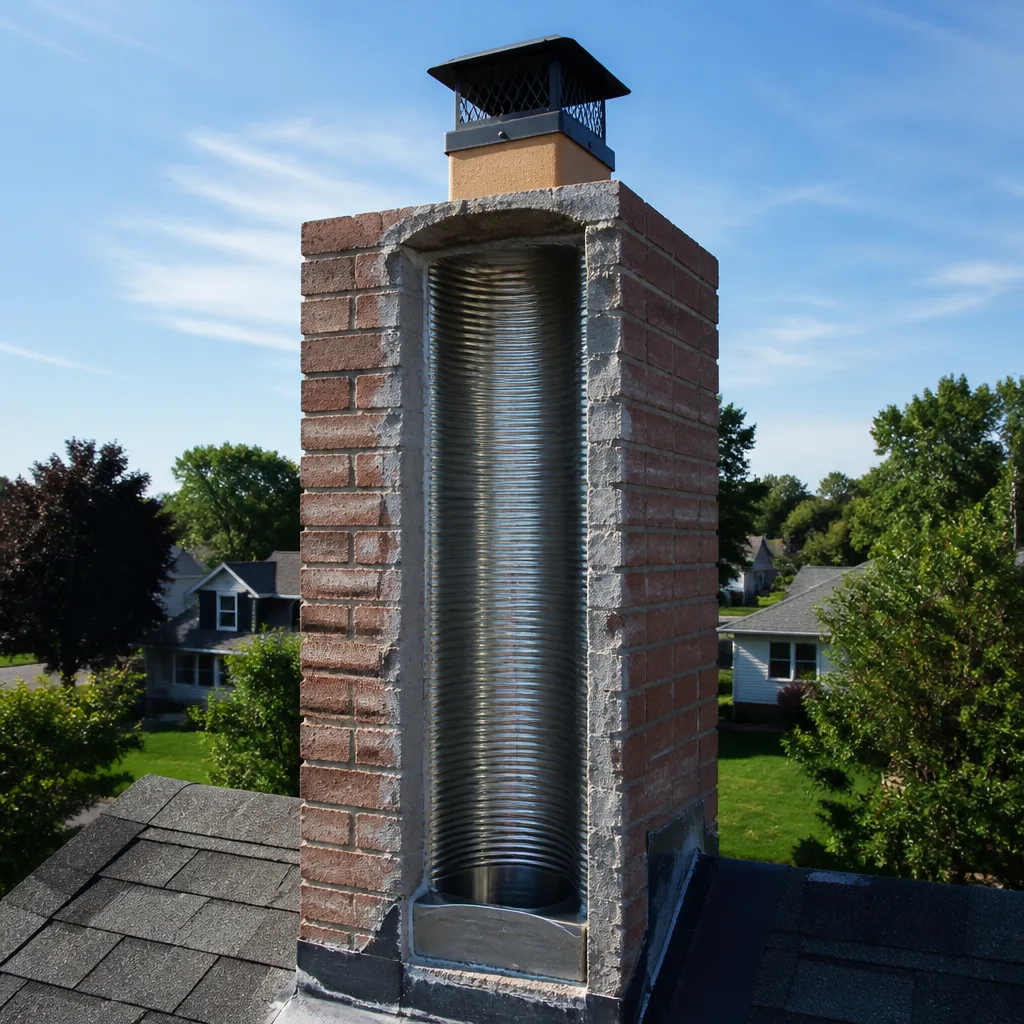
If the inspection finds damage, the next step is a repair recommendation. That’s where the full-scope side of our work matters. We can reline a damaged flue using a flexible stainless system like DuraFlex for complex or offset flues, or apply a HeatShield restoration where the interior has deteriorated but the structure is still sound enough to avoid a full teardown. You don’t need a second contractor to come back and fix what the inspection found, which is the gap that leaves many chimneys sitting unused for months.
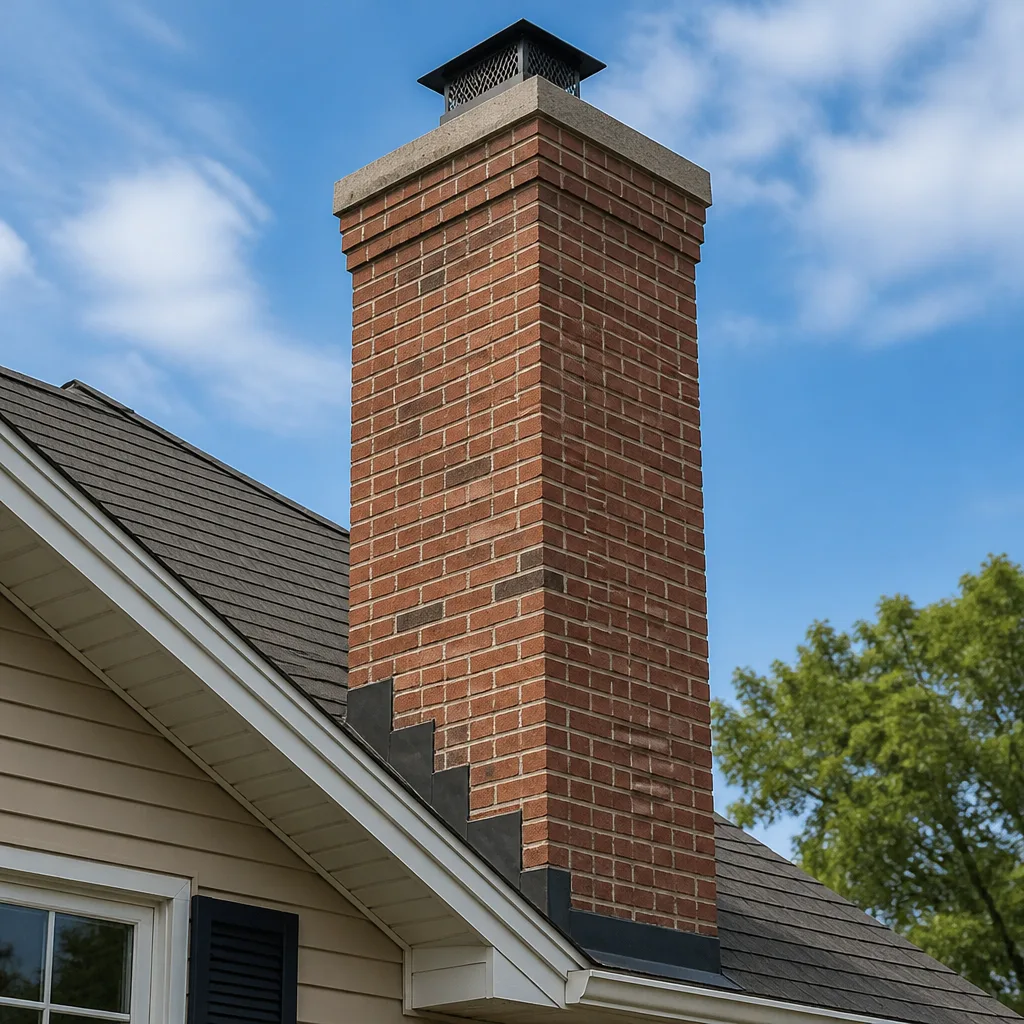
If the damage is more serious, our chimney repair page covers the repair and rebuild side more fully.
Which Somerton Homes Are Highest Risk
Not every Somerton home carries the same chimney fire risk. Based on our experience, the highest-risk homes tend to share one of three factors.
Oil-to-gas conversions with unlined flues
When a home switches from oil to gas heat, the flue that once carried oil exhaust may not be properly lined for the new appliance. A gas furnace or water heater needs a correctly sized and lined flue to vent safely, and an unlined masonry flue can allow condensation and corrosion to damage the interior. These systems should be inspected after any appliance change.
Woodstoves added to masonry chimneys
A woodstove insert or freestanding stove added to an existing masonry chimney is a common upgrade, but it changes the way the chimney vents. The flue may need to be relined to match the stove’s requirements, and the creosote production can increase. A stove connected to an improperly sized or damaged flue is a high-risk setup.
Systems that have never been professionally inspected
Older Somerton homes that have a fireplace but no record of servicing are the third category. An old chimney that has never been inspected can harbor hidden damage, deteriorated mortar, or a buildup of creosote that nobody has ever checked. If you’ve recently moved into an older home, having the chimney inspected should be near the top of your list.
Use this quick self-check to sort yourself into a category:
- Has the chimney been swept in the last year? If not, it’s overdue.
- Has the heating appliance changed in the last five years? If yes, inspect it.
- Is there a woodstove or insert that was added by a previous owner? Confirm the liner is correct.
- Is there a cap on the chimney? If not, water and animals have been getting in.
- Do you know the condition of the flue interior? If not, a camera inspection will tell you.
Seasonal Readiness for Somerton’s Heating Season
Somerton winters are cold enough that most homes run their heating equipment for months, and a wood-burning fireplace often gets used heavily during the coldest stretches. That’s the time when creosote accumulates fastest and chimney fires are most common.
The seasonal checklist we recommend:
- Sweep the chimney before the heating season starts. Book the sweep in late summer or early fall before the first cold snap, when the schedule fills up.
- Test smoke and CO alarms at the same time. Replace batteries and confirm the test button works.
- Check the cap and crown visually from the ground. A missing or damaged cap is the most common issue we see going into winter.
- Look at the firebox and damper. Cracks in the firebox brick or a damper that doesn’t close properly should be addressed before the first fire.
- Burn dry, seasoned wood. Wet wood produces more creosote and burns poorly, which increases the risk of a chimney fire.
- Keep a chimney fire extinguisher near the hearth. Make sure everyone in the house knows where it is and how to use it.
Building a seasonal routine is what turns this guide from reading material into actual protection. The best time to think about a chimney fire is before the season, not during it.
Common Mistakes to Avoid
- Assuming the fire department’s “all clear” means the chimney is fine. Firefighters put the fire out; they don’t inspect the flue. The chimney still needs a Level 2 inspection before it’s used again.
- Ignoring a strange smell. A persistent, unfamiliar odor from the fireplace is a sign of a smoldering fire or a venting problem. Treat it as evidence, not a nuisance.
- Skipping the sweep because the fireplace “looks clean.” Creosote builds on the flue interior where you can’t see it. What you can see from the firebox tells you almost nothing about the flue.
- Using a chimney with no cap. Without a cap, water and animals get into the flue. In Somerton’s climate, that means moisture damage year-round and nesting debris that can block the flue.
- Hiring a sweep who doesn’t offer the repair work. A sweep who can’t inspect or repair what they find leaves you hunting for a second contractor. We handle the sweep, cap, crown, liner, rebuild, and fireplace repair so you don’t get left with a diagnosis and no fix.
- Filing an insurance claim without a baseline record. If you can’t document the prior condition of your chimney, the claim process gets harder. Keep inspection photos.
- Adding a woodstove without confirming the liner. A stove added to an unlined or undersized flue is a common cause of dangerous venting problems.
See the difference
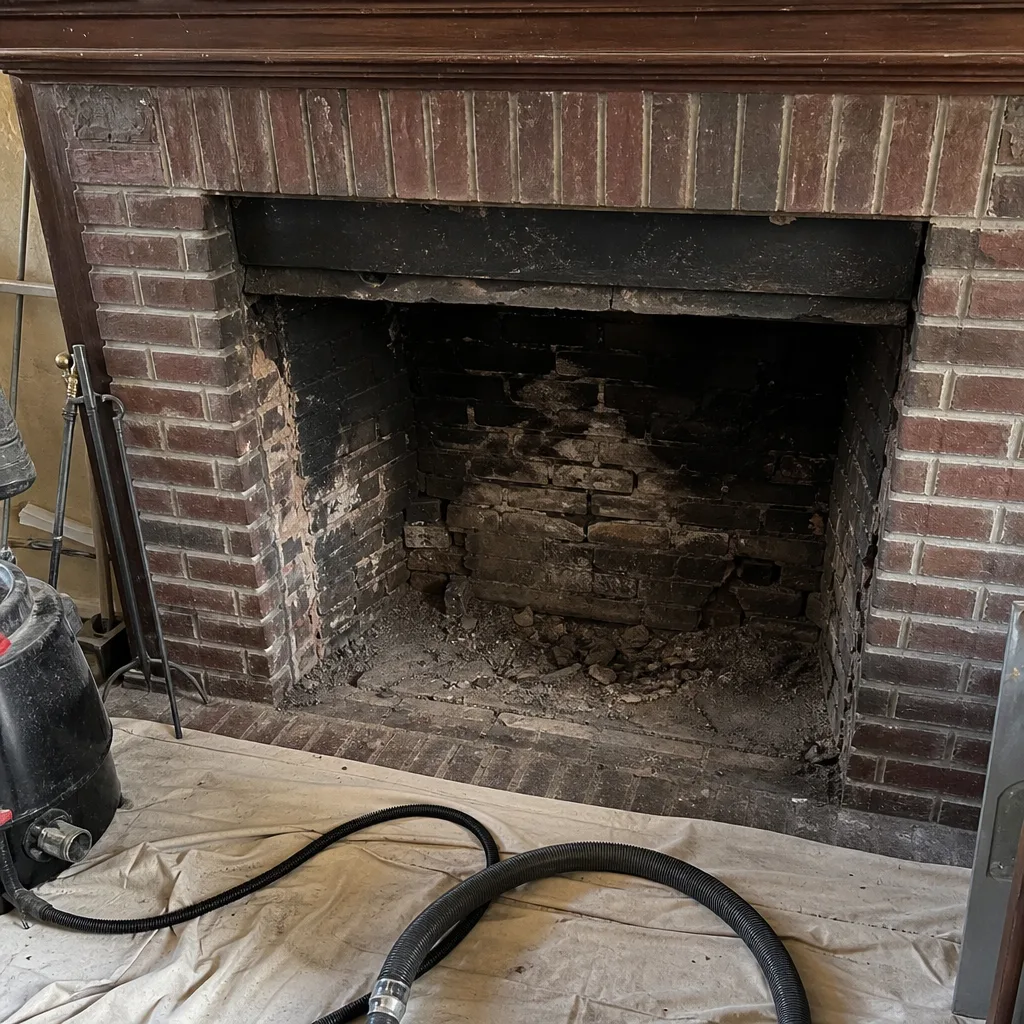 Before
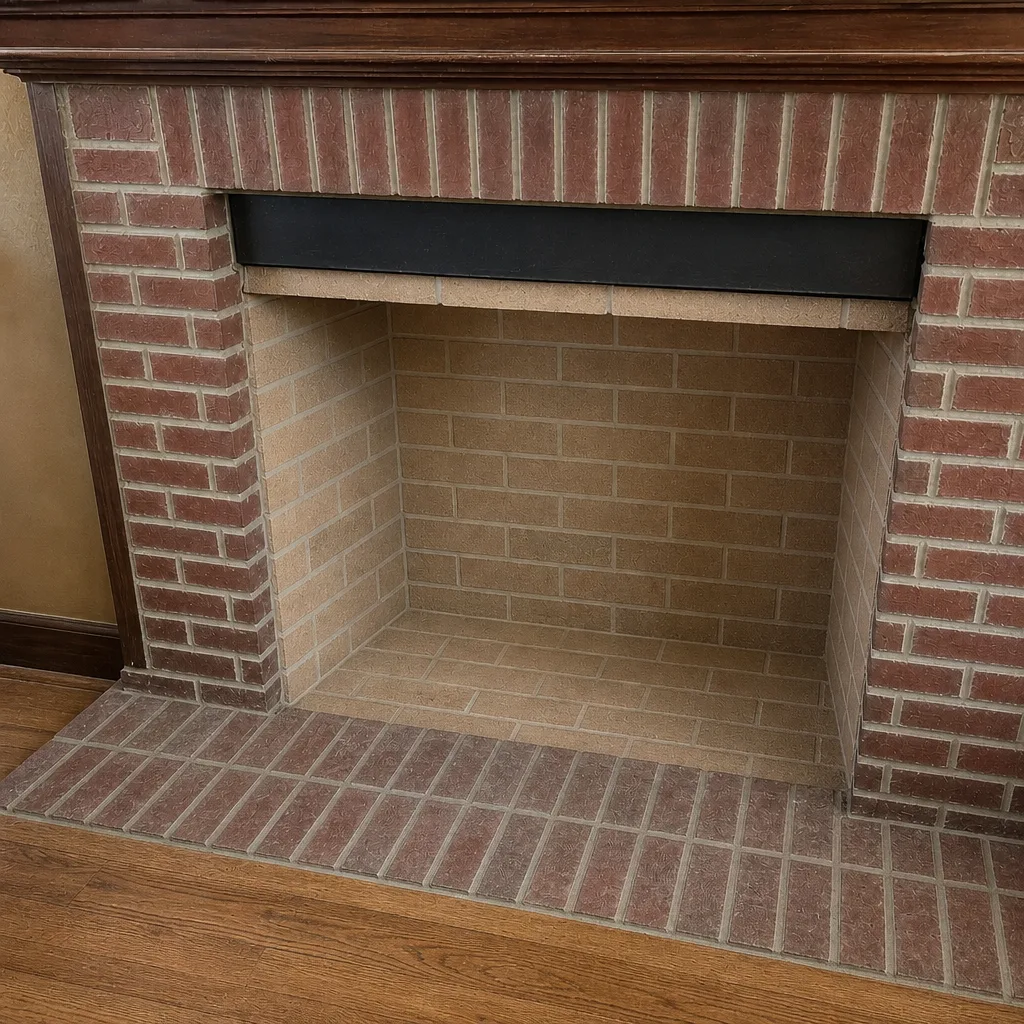 After
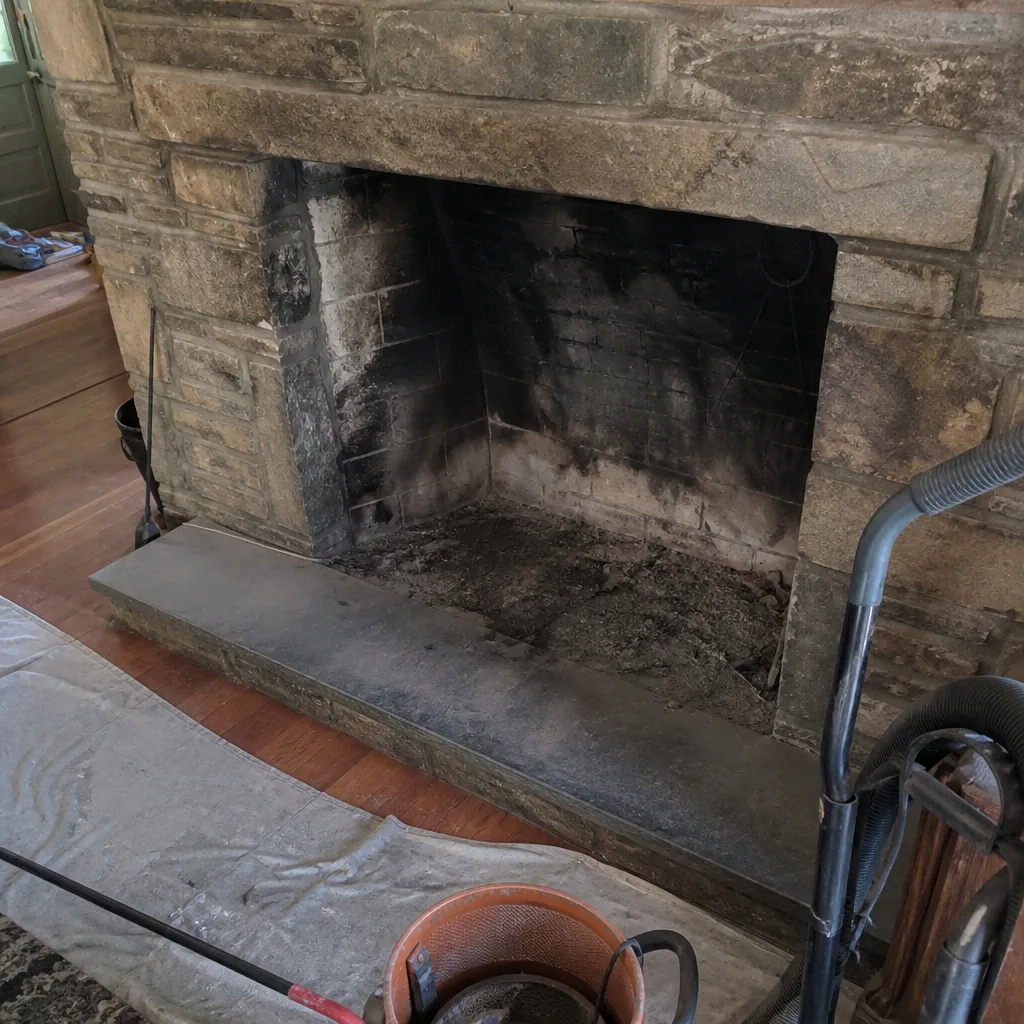 Before
 After
 Before
 After
When to Call a Professional
Some chimney situations need a trained professional, not a homeowner with a flashlight. Call us if you’ve had any suspected chimney fire, even a small one. Call if you notice a persistent smell, visible smoke where there shouldn’t be, or creosote buildup on the firebox walls. Call if your home has a woodstove or insert whose installation history you don’t know, or if you’ve moved into an older Somerton home that hasn’t had the chimney inspected. Call if your CO detector has triggered. Call if your cap is missing or your crown is cracked, because water intrusion gets worse with every storm.
We can tell you what we found, what it means for your home’s safety, and whether the work can safely wait. Nothing is recommended without camera evidence you can see for yourself. Chimney Sweep Somerton offers free estimates in Somerton. Call (855) 528-0951 to book one.
Frequently Asked Questions
Get everyone out of the house and call the fire department. Don’t stop to fight the fire or investigate the flue yourself. Once the fire department has handled the immediate danger, don’t use the fireplace again until a Level 2 inspection has been completed. Call (855) 528-0951 for an inspection estimate.
Inspection cost is set per job by the written estimate, so the best way to know your price is to book a visit. The estimate is free, and a camera inspection with a photo report is included so you can see the flue interior for yourself. No work is recommended without camera evidence.
No. A chimney that shows no visible damage can still have cracked flue tiles, separated joints, or a warped liner that you can’t see from the outside. The standard requirement after a chimney fire is a Level 2 inspection before the chimney is used again. Call us to book one.
Most wood-burning chimneys should be swept once a year, or more often if you burn heavily. Gas appliances should be inspected annually as well. The right schedule depends on how much you burn and what you burn. Call (855) 528-0951 and we’ll give you a straight answer for your setup.
Put a carbon monoxide detector on every level of the home, plus one in or just outside each sleeping area, and one in the room closest to the chimney. Follow the manufacturer’s mounting instructions for height. Test each unit monthly. If a CO alarm sounds and you can’t account for it, leave the house and call the fire department.
Creosote builds up on the flue interior whether you can see it or not, and that buildup is what fuels a chimney fire. Skipping the sweep raises the risk of a fire and makes a carbon monoxide backup more likely if the flue is also blocked or damaged. It’s the cheapest protection you can buy. Call (855) 528-0951 to schedule a sweep before the heating season.
The Bottom Line
Chimney emergencies almost always have warning signs, and the homes that come through safely are the ones where those signs get read correctly. Sweep before the season, cap and crown in good repair, a documented baseline from your last inspection, working CO detectors in the right places, and a Level 2 inspection after any fire. If you know which risk category your Somerton home falls into, you’re already ahead of most homeowners. When you need a professional, we handle the whole chimney: sweep, cap, crown, liner, rebuild, and fireplace repair. We answer 24/7. Fast dispatch from 7am to 7pm, Sunday through Friday. Written by the team at Chimney Sweep Somerton.
Written by the team at Chimney Sweep Somerton.