
Last updated November 22, 2026
 Sweep & inspection
 Caps & crowns
 Flue relining
 Masonry repair
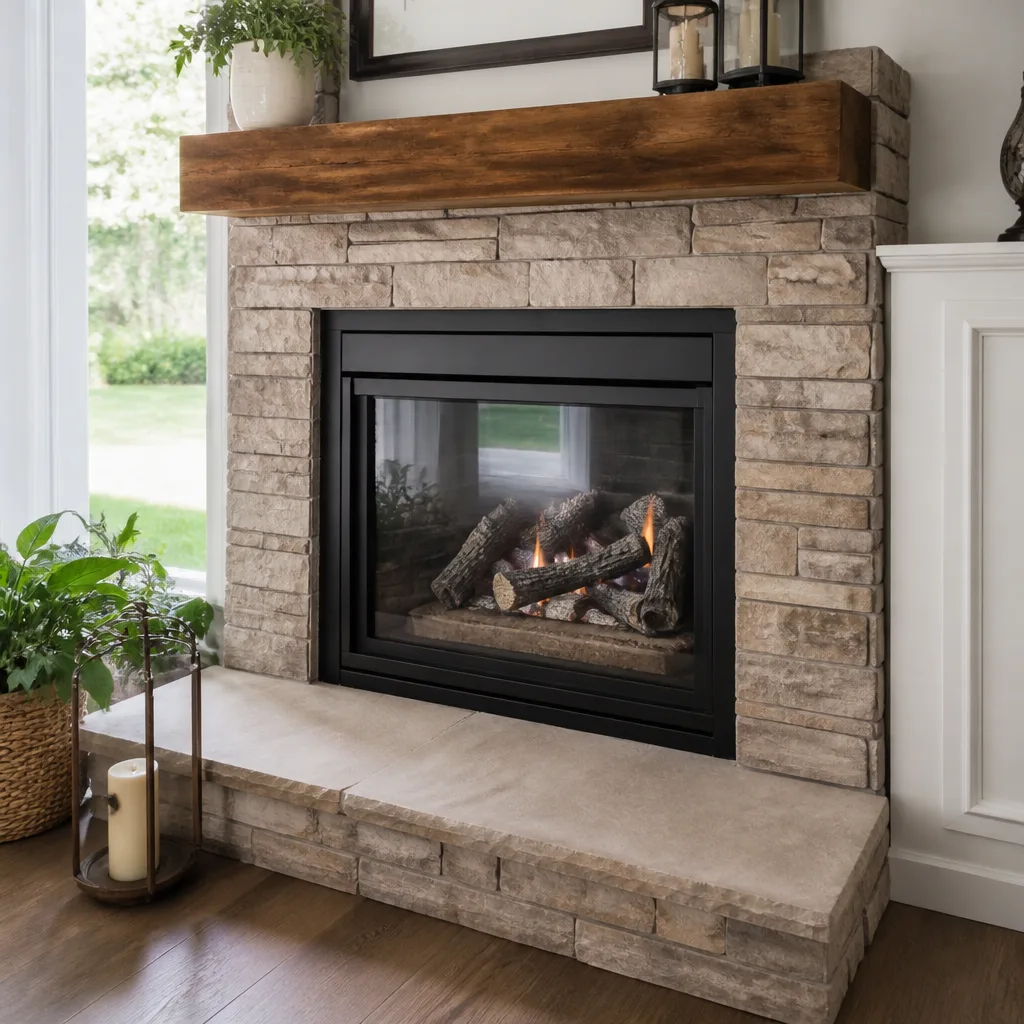 Gas fireplace service
Level 1 sweep and inspection to the NFPA 211 annual standard - flue, crown, cap, and flashing checked and photographed
Chimney sweep logs do not sweep chimneys. They loosen some creosote - which then falls where a brush and vacuum still have to collect it.
Chimney Cleaning Cost Breakdown: The Somerton Homeowner’s Reference for 2026
A $99 chimney sweep and a $350 chimney sweep are often doing fundamentally different things, and neither contractor is necessarily overcharging or underdelivering for what they quoted. That gap confuses a lot of Somerton homeowners, especially when two estimates arrive in the same week and look like they describe the same job. They usually don’t. One is a brush-and-vacuum pass through a flue that’s assumed to be sound. The other is a full inspection of the chimney system with a camera, a written report, and a sweep built around what that inspection actually finds. This guide breaks down what each piece of a chimney visit costs in the current Somerton market, why liner condition can swing a project by thousands, and how to read a quote against real scope instead of a bottom-line number.
Quick Answer
A standard chimney sweep in Somerton typically runs $150 to $300 for a single flue, and a full-service visit with a camera inspection, written report, and minor cap or crown adjustments usually lands between $250 and $450. If the inspection finds a failed liner, the job moves into a different category entirely, with stainless relining generally starting around $2,200 and running past $5,000 depending on flue length, diameter, and whether the existing flue needs restoration before a new liner goes in. The written estimate sets the final price on every job.
Styles & brands we work with
- Sweep & inspection
- Caps & crowns
- Flue relining
- Masonry repair
- Gas fireplace service
Table of Contents
- What Are You Actually Paying For in a Chimney Sweep?
- Line-Item Breakdown: Basic Cleaning vs. Full-Service Visit
- How Liner Condition Changes the Total Cost
- What Pushes a Standard Sweep Quote Higher
- Two Quotes Differ by More Than $100. Now What?
- Who Does What: Sweep, Cap, Repair, Liner
- Budgeting for Ten Years of Chimney Care
- Why Fall Bookings Cost More Than Spring Bookings
What Are You Actually Paying For in a Chimney Sweep?
You’re paying for two separate things: labor to remove what’s inside the flue, and the knowledge to determine whether the flue is safe to use afterward. Those are not the same task, and the price gap between a cheap sweep and a thorough one almost always comes down to how much of the second thing you’re getting.
A cleaning-only visit is straightforward. A technician runs a brush and vacuum through the flue, removes creosote and soot from the firebox and smoke chamber, and leaves. It’s honest work when that’s all you need. The limitation is that a brush tells you nothing about the condition of the liner behind it. A clay tile flue can look swept and clean at the top and have a cracked joint thirty feet down that lets heat reach combustible framing.
A full-service visit adds a proper inspection. In our experience, that’s where most of the value sits. A trained technician looks at:
- The flue interior, via camera where the geometry calls for it, checking for cracked tiles, gaps, and heavy glazed creosote.
- The smoke chamber and damper, where soot accumulates and where a surprising number of drafting problems originate.
- The firebox masonry, looking for spalling brick and deteriorated mortar joints.
- The crown, cap, and flashing at the roofline, which is where water gets in and where the damage it causes starts.
Somerton homes, particularly the older stock around the borough and out toward the surrounding townships, often have clay tile liners that have been through decades of heating cycles. That doesn’t mean every liner is failing. It means the inspection is the part of the visit you can’t skip, because thin tile that looks fine in a photo from the ground can be cracked in a place only a camera reaches.
That’s the difference between paying $99 for someone to clean a flue and paying $350 for someone to clean it and tell you, with evidence, what condition it’s in. Both prices are legitimate. They’re just not the same product. When you book a chimney sweep with us, the camera inspection and photo report are part of the visit, not an add-on you find out about later.
Line-Item Breakdown: Basic Cleaning vs. Full-Service Visit
Here’s what the two main visit types typically include and what each piece adds to the total. Use these figures as planning ranges, not as quotes. The written estimate after a look at your actual chimney is what counts.
| Line Item | Basic Cleaning Visit | Full-Service Visit |
|---|---|---|
| Standard flue sweep (single flue) | $150-$220 | $150-$220 |
| Firebox and smoke chamber cleaning | Often extra or skipped | $40-$80 |
| Camera inspection of flue interior | Not included | $60-$120 |
| Photo report of findings | Not included | Included |
| Cap inspection and minor adjustment | Not included | $30-$60 |
| Crown and flashing visual check | Not included | $25-$50 |
| Draft and damper check | Not included | $25-$45 |
| Typical visit total | $150-$250 | $250-$450 |
Two things to note. First, the low end of a basic sweep assumes easy access and moderate creosote. A flue that hasn’t been touched in a decade, or a chimney with a tight roof clearance, moves up the scale. Second, a full-service visit is more expensive mainly because it includes work you’d otherwise pay for separately as an inspection. It’s not padding. It’s a bundle of services that, if you booked only the sweep and then called someone to inspect, would cost more in total.
What a Cleaning-Only Visit Genuinely Covers
If you’ve had the chimney swept within the last year or two, you burn dry wood, and you’ve had a proper inspection recently, a basic sweep is a reasonable choice. The flue has known condition. You’re paying to keep it clean. That’s a legitimate use of the cheaper option.
When Full-Service Is the Right Call
Full-service is the sensible default for three situations: a home you’ve just bought and don’t have service records for, a chimney you know hasn’t been serviced in several years, and any fireplace you’ve never used. In each case the inspection is the point. You’re buying information about a system you can’t see, not just a clean flue.
How Liner Condition Changes the Total Cost
This is where chimney projects stop being cheap and start being expensive, and it’s the reason two Somerton homeowners with similar houses can pay wildly different prices. The sweep is a fixed, modest expense. The liner is a structural system, and replacing it is a real construction job.
Here’s the realistic range of outcomes, from least to most expensive, along with what drives each one:
- Clean flue, sound liner. Sweep and inspection only. Typical total: $150-$450. This is the outcome for most chimneys that have been maintained.
- Moderate glazed creosote. The flue is sound but has a heavy, hard-glazed buildup that a standard brush won’t remove. This needs specialized treatment, and it costs more than a routine sweep because it takes more time and more careful work. Typical addition to the sweep price: $150-$400.
- Localized liner damage. A short section of cracked tile or a failing joint. Sometimes repairable without a full reline. Cost varies with how much needs to be addressed and how accessible the damaged section is.
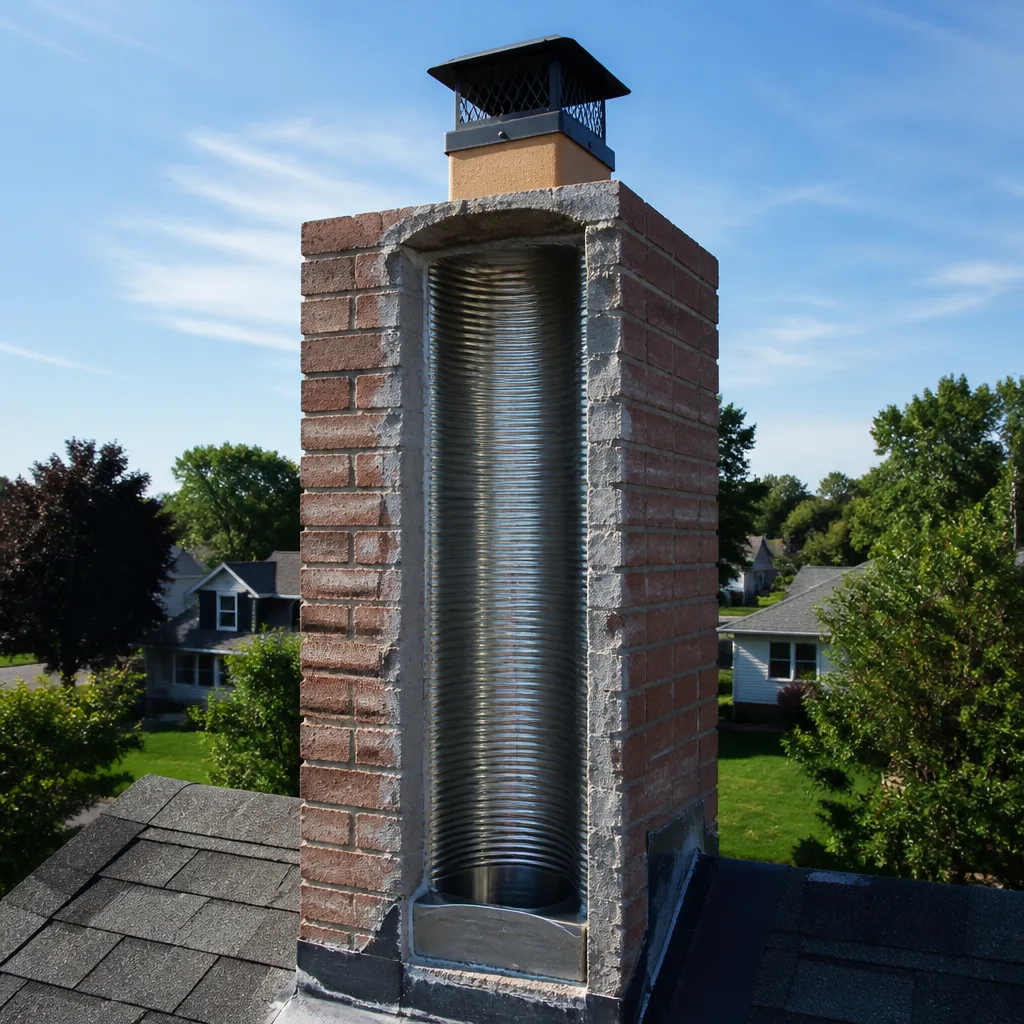
- Failed liner, reline needed. The flue interior no longer safely contains the heat and byproducts of a fire, and a new liner is the fix. Stainless relining typically starts around $2,200 for a straightforward, shorter flue and can run past $5,000 for a long, complex, or offset flue that requires a flexible system and careful routing.
- Failed liner plus restoration. The flue walls themselves are deteriorating, not just cracked, so a liner alone won’t bond properly. This is where a restoration product like HeatShield earns its place. It lets a technician restore the interior of a deteriorating flue without a full teardown, which saves significant cost compared to demolition and rebuild.
The wording a technician uses matters here. “Your liner needs work” is not a diagnosis. “You have a cracked joint roughly twelve feet down the flue, visible on camera, and it’s letting exhaust into the wall cavity” is. You should expect the second kind of answer, and you should see the photographic evidence yourself before you agree to anything.
This is also where the choice of liner system matters. Flexible stainless liner systems like DuraFlex are designed for complex or offset flues where a rigid liner simply won’t fit or route correctly. A crew that installs only rigid liners has to decline those jobs. That doesn’t mean their quote is wrong, but it does mean a chimney that needs a flexible system is a job they can’t scope for you. Our technicians have up to 8 years of experience with systems like this, and lining work is one of the more technically demanding parts of the trade.
What Pushes a Standard Sweep Quote Higher
Two sweeps quoted at different prices are often priced for different amounts of physical difficulty. These are the factors that legitimately move the number:
- Chimney height. A two-story chimney with a tall run takes longer to sweep and makes the roof work more difficult. More time, more labor, higher price.
- Number of flues. A single-flue chimney and a two- or three-flue masonry chimney are different jobs. Each flue needs its own sweep and inspection. Two flues typically add $100-$200 to a visit.
- Creosote buildup. Light, dry, flaky creosote is quick to brush. Glazed, tar-like creosote resists standard brushes and takes specialized removal. The difference in time and care is real, and so is the price difference.
- Access difficulty. A steep roof pitch, a low-pitched roof with no safe footing, or a chimney boxed in by neighboring structures slows the work and may require different equipment. This is a cost of doing the job safely, not a markup.
- Obstructions. Nests, debris, a collapsed section, or an animal that decided the flue was a good home. Removing an obstruction is separate work from sweeping the flue afterward.
One thing worth knowing: if you call a company and the quote never changes no matter what they find, that’s a phone estimate, not a real one. A meaningful price comes from someone who has actually looked at the chimney, and the written estimate sets the final number.
Somerton’s housing stock matters here too. Older homes in and around the borough often combine taller chimneys with heavier, longstanding creosote loads than newer construction, simply because the fireplace has been used longer. That’s not a warning sign. It’s a reason the inspection matters before you assume a low-end price applies to your house.
Two Quotes Differ by More Than $100. Now What?
First, don’t assume the higher quote is an upsell or the lower one is cutting corners. A $100+ gap usually means the two contractors are scoping different work. Your job is to find out which one is describing the job you actually have.
Ask these diagnostic questions, in this order, to both contractors:
- “What exactly does your price include?” Get a line-item breakdown. Does the quote include the camera inspection? The photo report? Cap and crown checks? If one quote is sweep-only and the other is full-service, that alone explains the gap.
- “Will I see photos of what you find?” A contractor who can’t show you the interior condition of your flue is asking you to take their word for the most important part of the job. Photos are the standard, and they should be included.
- “What’s your process for assessing the liner?” “We look at it” and “we run a camera through the full flue” are different answers. A proper assessment uses a camera where the geometry warrants it.
- “If you find a problem, what are the options?” A good technician gives you the range: what can safely wait, what needs attention soon, and what needs addressing before the chimney is used again. A contractor who only has one answer (“you need a reline”) is telling you something about how they work.
- “Can you do the repair yourself, or will you refer it out?” This is a big one. A sweep-only crew that finds a cap problem, a crown crack, or a failed liner has to hand you off to someone else. That costs you time and another estimate. We handle the whole chimney, so the person who finds the problem can also fix it.
If, after asking all five, the two quotes still differ by more than a hundred dollars for what is genuinely the same scope, ask each contractor to put their scope in writing. The written estimate is what protects you. Anything that wasn’t written down didn’t exist.
Who Does What: Sweep, Cap, Repair, Liner
Chimney work isn’t one trade, it’s a set of them, and knowing who does what helps you understand why a single number can’t cover everything. Here’s how the work divides in Somerton:
- Sweeping. Removal of soot and creosote from the flue, firebox, and smoke chamber, plus inspection. This is the routine, recurring expense.
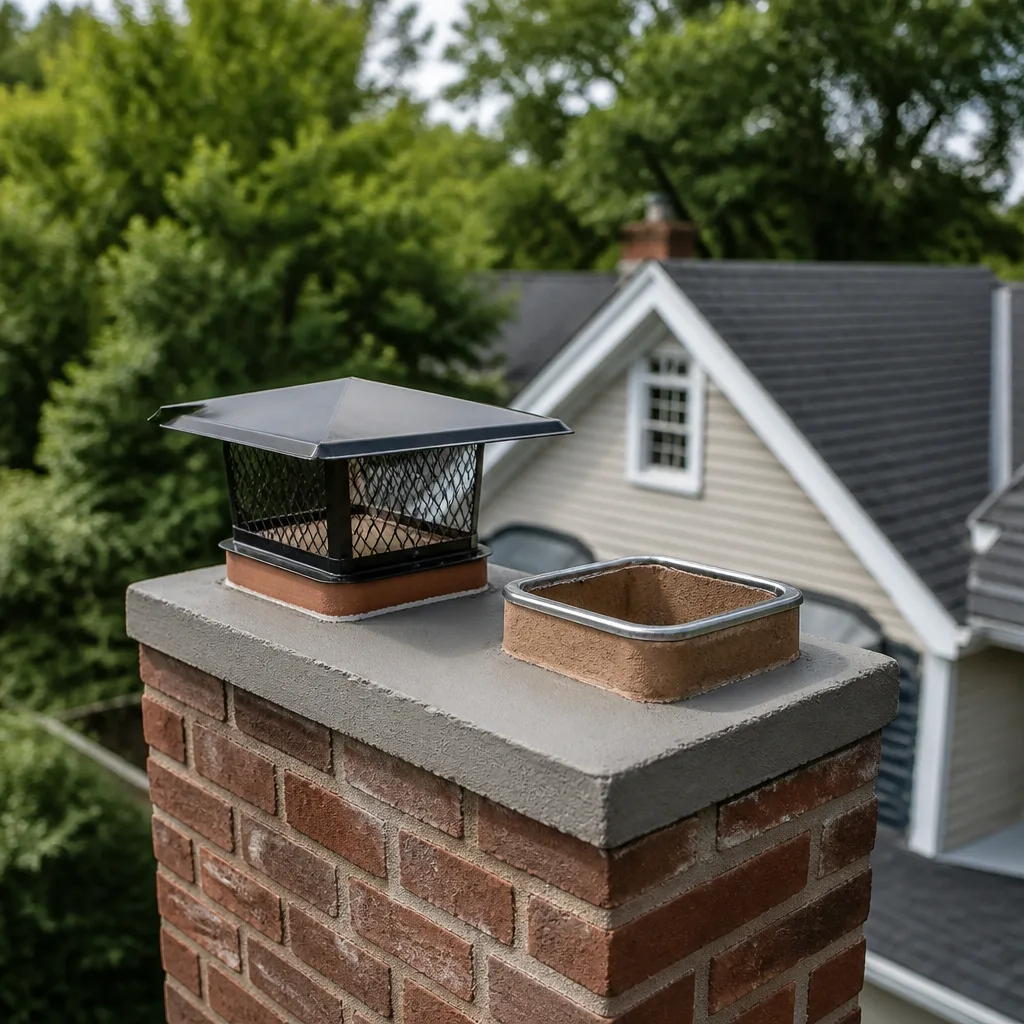
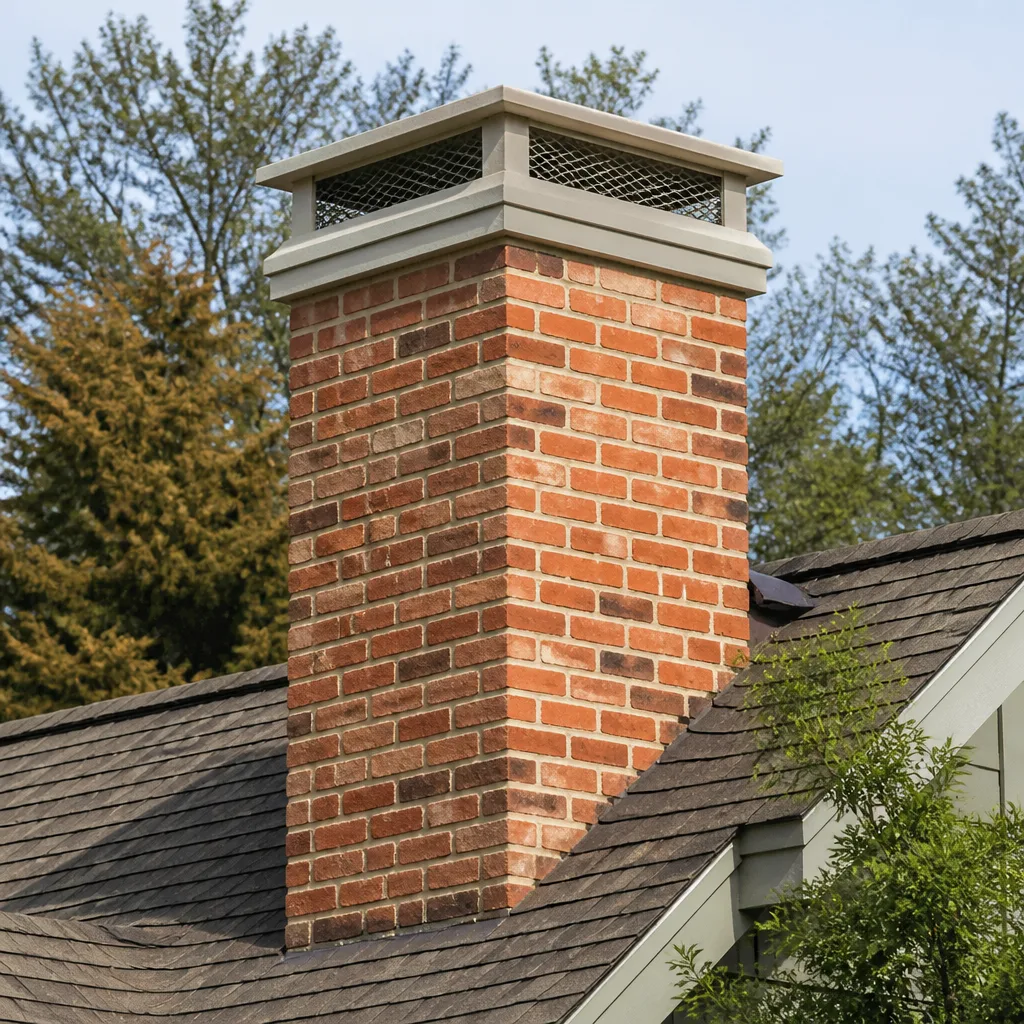
- Cap and crown work. The cap is the cover over the flue; the crown is the concrete surface at the top of the chimney that sheds water. Both protect the chimney from rain, animals, and debris, and both are commonly neglected. We install purpose-engineered caps from Gelco and Famco, not generic hardware-store covers, because a cap is a structural component of the chimney system, not a lid. Learn more about our chimney cap & crown work.
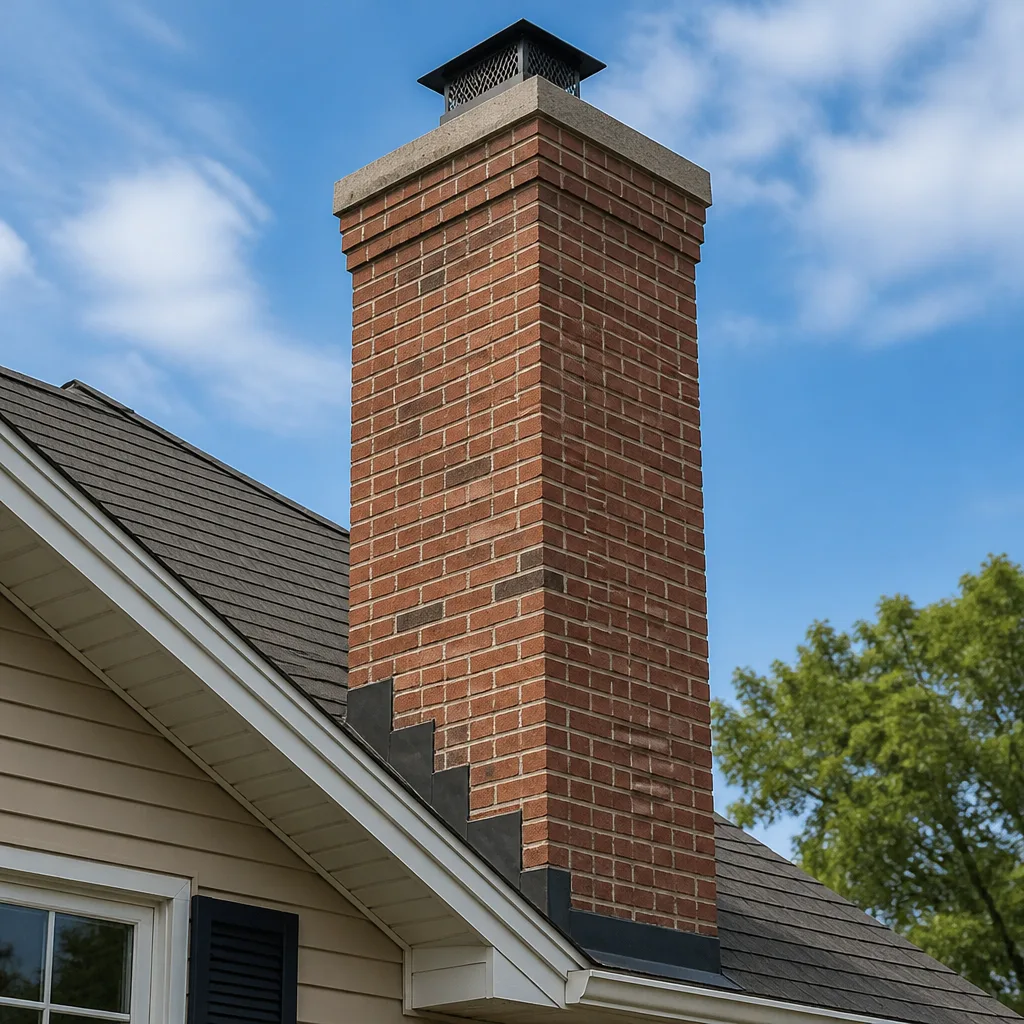
- Repair. Masonry, firebox, flashing, and joint repair. Spalling brick, a cracked crown, or deteriorated mortar all fall here. Our chimney repair service covers the whole scope.
- Liner installation and rebuild. The technically hardest category. Stainless relining, restoration of a deteriorated flue interior, and full rebuilds when the structure itself is compromised. This is work that most sweep-only crews don’t perform because it requires specialized materials and training.
- Fireplace repair. Work on the appliance itself, from damper repair to firebox rebuilding.
The reason this matters for cost is that a repair found during a sweep is often more expensive to fix later, once water has had time to work on the masonry or a minor liner issue has spread. A $60 cap adjustment today can head off a crown repair and flashing reseal later. That’s not an upsell, it’s how the system fails. The best guide to Chimney Sweep Somerton is how the pieces fit together, because a chimney is a system, and each part protects the others.
Budgeting for Ten Years of Chimney Care
Most homeowners treat a sweep as a one-off errand. That’s the expensive way to do it. A chimney is a system with predictable maintenance needs, and planning across a decade usually costs less than reacting to problems as they surface, because prevention work is priced lower than repair.
Here’s a realistic planning framework. These are estimates for budgeting, not quotes:
- Annual or seasonal sweep and inspection. Most wood-burning chimneys need a sweep roughly once a year during active use, or whenever creosote reaches about a quarter-inch of buildup. Budget $150-$450 per visit depending on scope. Over ten years, that’s roughly $1,500 to $4,500.
- Cap and crown checks. Included in a full-service visit. If a cap needs replacing or a crown needs repair, that’s typically a one-time cost in the low hundreds, not a yearly one.
- Liner work. Most stainless liners are designed to last for many years. If your liner is already failing, treat relining as a capital expense in the $2,200-$5,000 range that you plan for, not a surprise you absorb all at once. Once it’s done, it’s done for a long stretch.
- Masonry repairs. Budget for small repairs as needed. Water is the biggest enemy of masonry, and keeping the crown and flashing sound is the cheapest way to avoid rebuilding.
Put those together and the picture becomes clearer. A homeowner who sweeps regularly, keeps the cap and crown in good repair, and never lets water sit in the masonry will, over ten years, spend far less than a homeowner who does none of it and then faces a liner replacement plus masonry repair plus a chase rebuild all at once. The maintenance is not a luxury. It’s the cheaper path.
Why Fall Bookings Cost More Than Spring Bookings
Cleaning a chimney is the same work in October and April. The difference is scheduling pressure. In Somerton, most homeowners schedule sweeps within a few weeks of the first cold snap, when the fireplace gets its first real use of the year. That compresses demand into a short window, and in some cases prices reflect the rush or the availability of fewer appointment slots.
Spring and early summer are quieter. You can book at a calmer pace, get the same scope of work done, and have time to plan any repair the inspection turns up before the next heating season. If you know your chimney is due, booking it in the off-season is one of the simplest ways to keep the total cost of ownership down.
There’s a safety angle, too. Creosote buildup is the fuel for a chimney fire, and it accumulates through a season of burning. Getting the flue cleaned and inspected before you start burning again is the point. If you wait until the middle of winter, you’re using a chimney that hasn’t been checked since last season.
Common Mistakes to Avoid
- Treating the cheapest quote as the best value. A $99 sweep and a $350 full-service visit aren’t competing products. Compare scope, not price. If the cheap quote doesn’t include a camera inspection or a report, you’re not comparing like with like.
- Booking a sweep-only crew for a job that might need a liner. If the inspection finds a failed liner, you’ll need a second contractor and a second estimate. We handle the whole system, so a sweep and a repair can happen without a handoff.
- Skipping the cap because it looks fine from the ground. A cap can be cracked, loose, or missing a spark screen and still look intact from a distance. It’s the cheapest part of the system to fix and one of the most damaging to leave broken.
- Assuming a clean flue means a safe flue. A flue can be brushed clean and still have a cracked liner or a failing joint. The cleaning tells you it’s clear; only an inspection tells you it’s sound.
- Choosing a contractor who can’t show you what they found. If a technician recommends a repair and can’t show you a photo of the problem, ask for one. You’re entitled to see the evidence before you spend money on it.
- Waiting until the first cold week to book. Fall is the busiest stretch in Somerton. Booking in spring or early summer gets you the same work with less pressure and more room to plan any repairs.
- Using a generalist handyman for liner or rebuild work. Liner installation and full rebuilds are specialized trades that require specific materials and training. A generalist may do the sweep, but the liner is a different job.
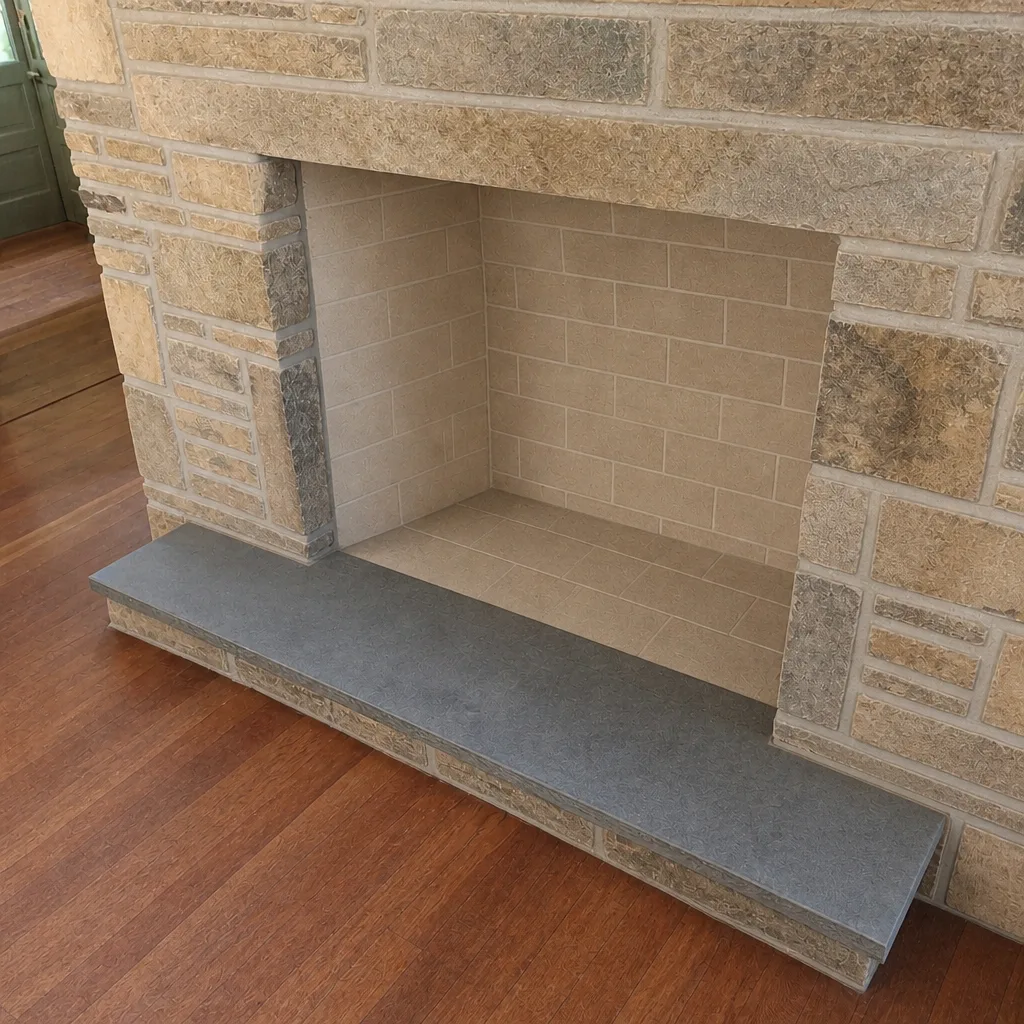
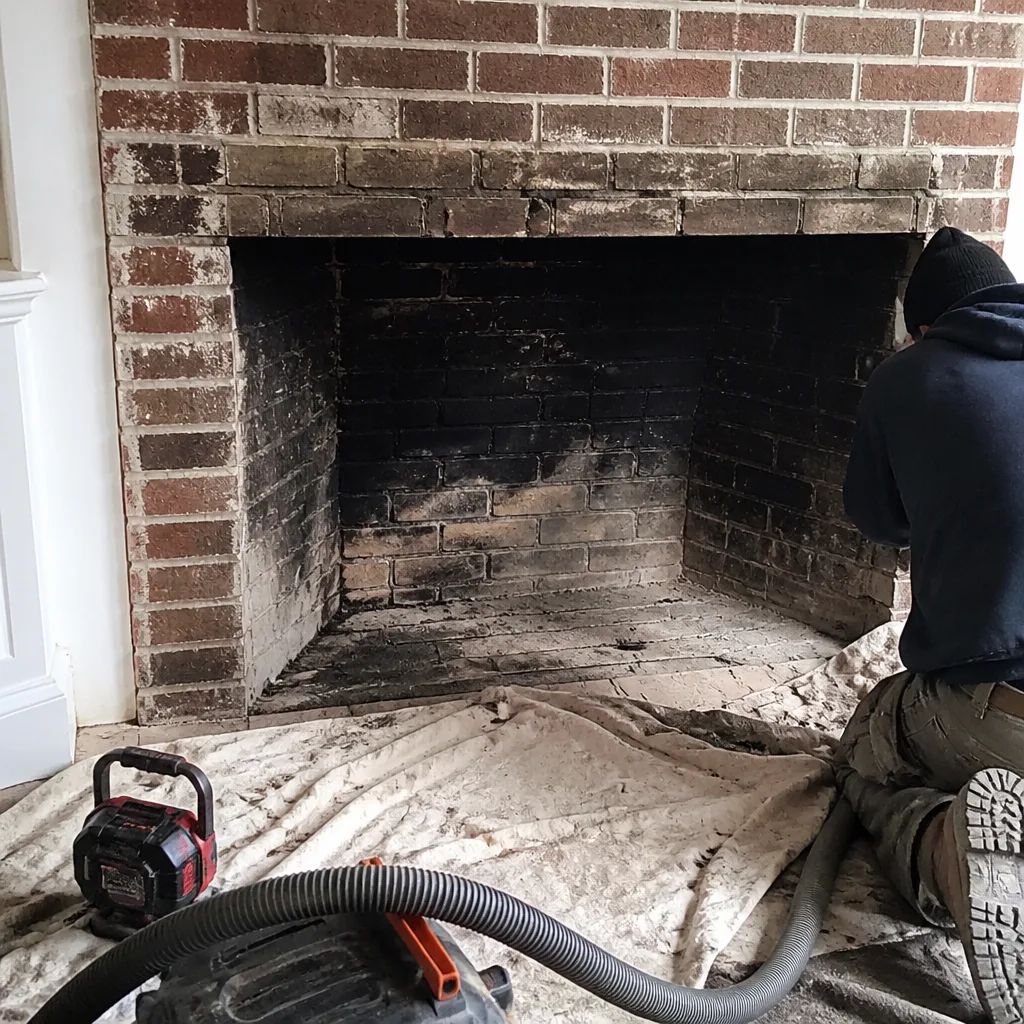
See the difference
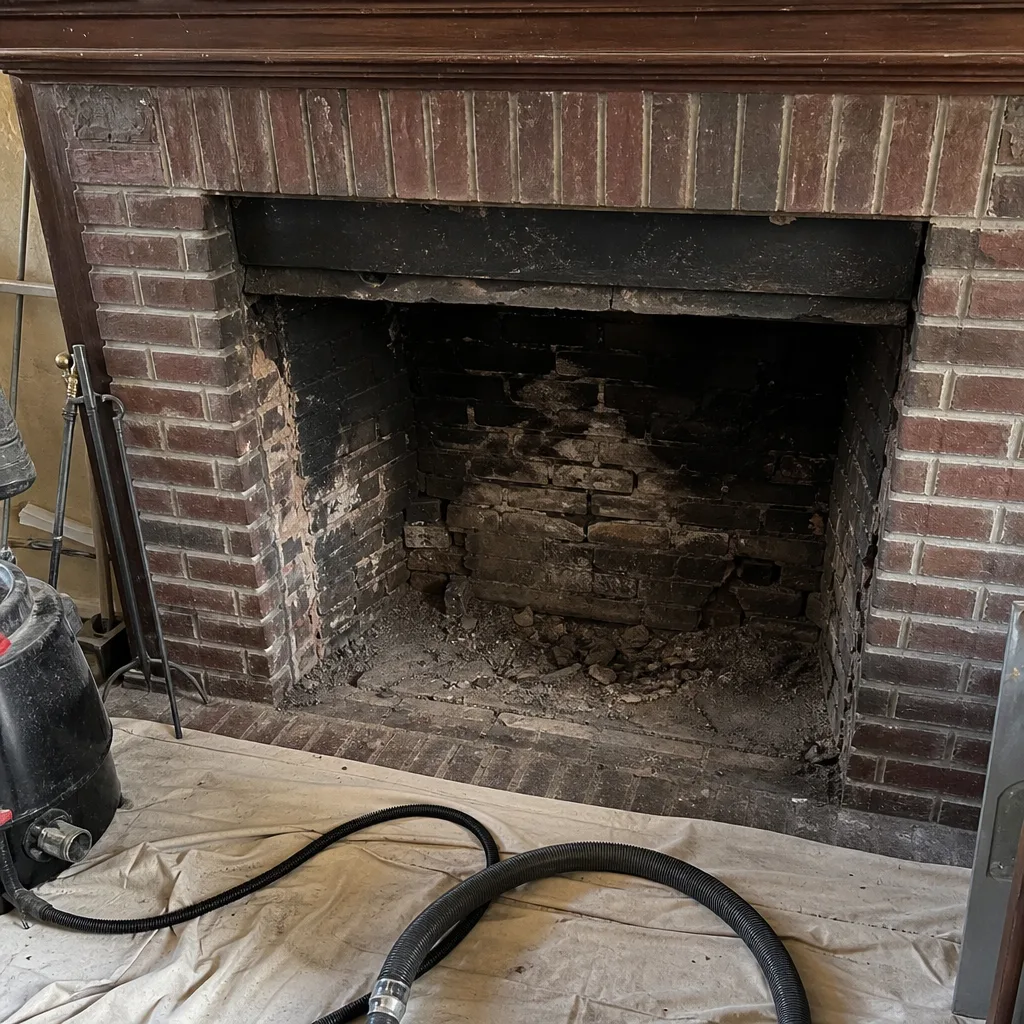 Before
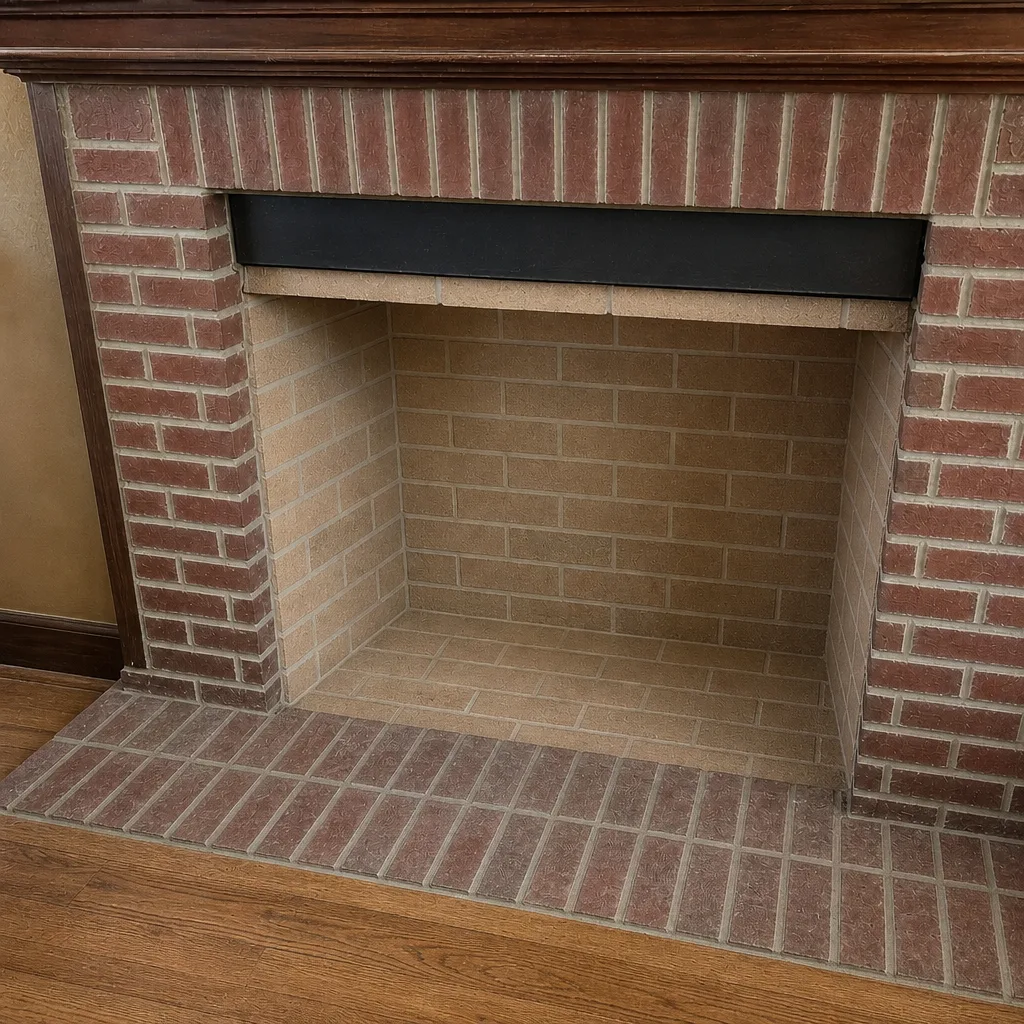 After
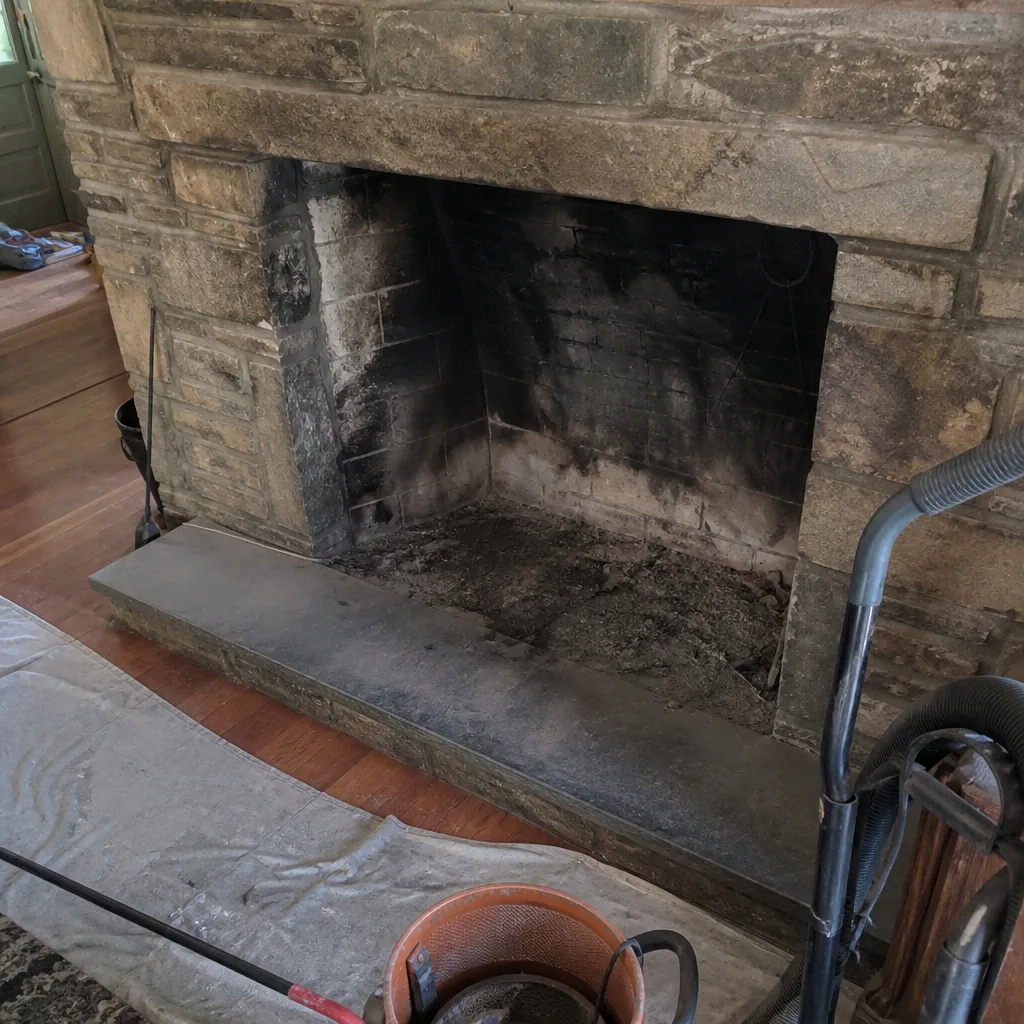 Before
 After
 Before
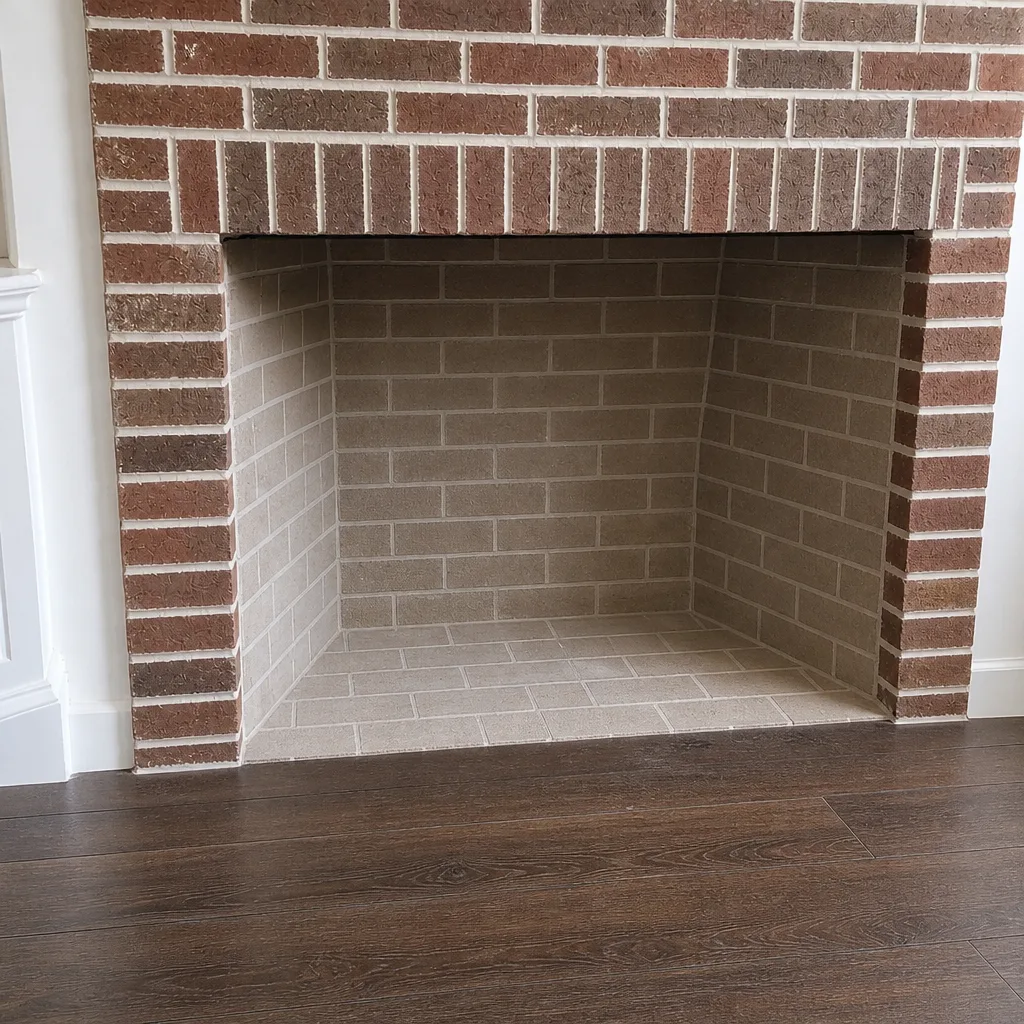 After
When to Call a Professional
Some chimney problems are obvious. A strong draft smell in the house, smoke rolling back into the room, or visible staining on the ceiling near the chimney chase are all reasons to stop using the fireplace and get a professional on site. Others are quiet: a flue that hasn’t been swept in several years, a home you just moved into with no service history, or a cap you’ve never actually looked at closely. In any of those cases, a professional visit is the sensible step, and it’s the only way to know whether the chimney is safe to use. Never open a firebox or reach into a flue to investigate a suspected problem yourself; soot, creosote, and structural damage are hazards to the untrained, and a look with a flashlight from below tells you very little. Chimney Sweep Somerton offers free estimates in Somerton. Call (855) 528-0951. We answer 24/7. Fast dispatch from 7am to 7pm, Sunday through Friday.
Frequently Asked Questions
A standard chimney sweep in Somerton typically costs $150 to $300 for a single flue, and a full-service visit with camera inspection and a written report usually runs $250 to $450. The exact price depends on chimney height, number of flues, creosote buildup, and access. Call (855) 528-0951 for an exact quote; estimates are free.
Only if the existing liner can no longer safely contain heat and combustion byproducts, which is determined by looking at the flue interior, often with a camera. A cracked joint, a separated section, or a deteriorated flue wall all mean a liner is needed. If the liner is sound, a new one isn’t. You should see the photographic evidence before you agree to anything, and if the work can safely wait, we’ll tell you. Call (855) 528-0951 for an exact quote; estimates are free.
Most wood-burning chimneys need a sweep about once a year during active burning, or whenever creosote reaches roughly a quarter-inch of buildup. Homes that burn frequently or burn green wood need it more often. Gas appliances need an annual inspection even though they produce less creosote. Call (855) 528-0951 for an exact quote; estimates are free.
Creosote builds up in the flue and becomes the fuel for a chimney fire, and small defects like a cracked liner or a damaged crown get worse with time and water exposure. Skipping maintenance doesn’t cause an immediate problem, but it removes the early warning that catches a small repair before it becomes a liner job or a rebuild. Call (855) 528-0951 for an exact quote; estimates are free.
Because they’re usually scoping different work. One may be a cleaning-only visit and the other a full-service visit with camera inspection and a report. Other factors include flue count, chimney height, creosote severity, and access difficulty. Ask both contractors for a line-item breakdown and a scope in writing before you decide.
Yes. A stainless liner addresses the flue interior, while a rebuild addresses the chimney structure itself, and rebuilding is a larger construction job with more materials and labor. A liner is the right answer when the structure is sound but the flue interior has failed. When restoration products like HeatShield can address a deteriorating flue without demolition, that usually costs less than a full rebuild. Call (855) 528-0951 for an exact quote; estimates are free.
The Bottom Line
The price of chimney cleaning in Somerton isn’t one number, because the job isn’t one job. A sweep is a modest, recurring expense. A liner is a structural repair. A rebuild is construction. When you get a quote, read it against scope: does it include the camera inspection, the photo report, the cap and crown check? If two quotes differ, the question isn’t who’s cheaper, it’s whether they’re describing the same work. And the cheapest way to manage the whole thing over ten years is to sweep regularly, keep the cap and crown in repair, and catch small problems before they grow. We handle the whole chimney, from the sweep to the rebuild, so the person who finds a problem is the person who can fix it. Professional-grade materials like DuraFlex, HeatShield, Gelco, and Olympia Chimney are part of that, because the system is only as good as its parts.
Call (855) 528-0951 for a free estimate. We answer 24/7. Fast dispatch from 7am to 7pm, Sunday through Friday.
Written by the team at Chimney Sweep Somerton.